
Image-Guided Superficial Radiation Therapy (IG-SRT): A Comprehensive Overview
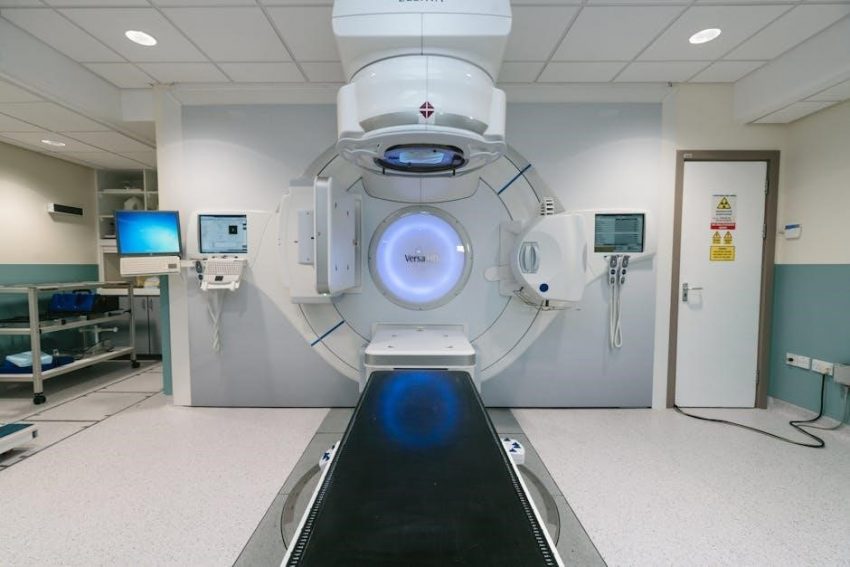
Image-Guided SRT (IG-SRT) represents a cutting-edge approach to treating various skin cancers and other superficial malignancies, offering a precise and effective alternative.
SkinCure Oncology consistently leads the field, delivering a comprehensive model for IG-SRT treatment across numerous centers, demonstrating its commitment to advanced cancer care.
This innovative therapy utilizes real-time imaging to target radiation directly to the affected area, minimizing exposure to surrounding healthy tissue and maximizing therapeutic benefits.
What is Image-Guided SRT?
Image-Guided Superficial Radiation Therapy (IG-SRT) is a modern, non-invasive treatment modality specifically designed for superficial cancers, primarily skin cancers. Unlike traditional radiation therapy, IG-SRT delivers a low dose of radiation precisely targeted to the cancerous tissue, guided by real-time imaging. This precision minimizes damage to surrounding healthy skin and tissues, resulting in fewer side effects and improved cosmetic outcomes.
The core principle of IG-SRT revolves around utilizing advanced imaging techniques, such as laser-induced acoustic pressure waves, to visualize the tumor margins accurately. This allows physicians to delineate the treatment area with exceptional precision, ensuring complete coverage of the cancer while sparing healthy tissue. SkinCure Oncology has pioneered a comprehensive model for delivering this advanced therapy, establishing itself as a world leader in the field. IG-SRT offers a convenient and effective treatment option, often completed in a short series of outpatient visits.
The Role of SkinCure Oncology
SkinCure Oncology has firmly established itself as the global leader in providing a comprehensive and integrated model for delivering Image-Guided SRT (IG-SRT). The organization doesn’t merely offer the technology; it provides a complete infrastructure supporting its successful implementation within various healthcare settings.
Through strategic partnerships and a dedicated network of centers, SkinCure Oncology ensures widespread access to this advanced treatment modality. They consistently demonstrate leadership through innovation and a commitment to improving cancer care. Their model encompasses not only the technology itself, but also physician training, treatment planning, and ongoing support.
SkinCure Oncology’s CEO, Kerwin Brandt, emphasizes their dedication to providing a comprehensive cancer center model. Numerous press releases from March 2025, March 2026, and June 2025 highlight their continued growth and influence within the IG-SRT landscape.
GentleBeam Technology: A Key Component
GentleBeam technology is a cornerstone of Image-Guided SRT (IG-SRT), representing a significant advancement in superficial radiation therapy. This innovative system distinguishes itself through its unique imaging capabilities, utilizing laser-induced acoustic pressure waves to precisely define the treatment area. This allows physicians to visualize the tumor margins with exceptional clarity, ensuring accurate radiation delivery.
Unlike traditional methods, GentleBeam’s imaging component doesn’t rely on X-rays, offering a potentially safer approach for both patients and clinicians. The acoustic waves generated by the laser provide real-time feedback, enabling precise targeting and minimizing exposure to healthy tissue.
As explained by SkinCure Oncology’s CEO, Kerwin Brandt, this technology empowers physicians with enhanced control and precision during treatment planning and execution, ultimately leading to improved patient outcomes.
Laser-Induced Acoustic Pressure Waves
Laser-induced acoustic pressure waves are a pivotal element within the GentleBeam technology utilized in Image-Guided SRT (IG-SRT). This innovative imaging technique employs short pulses of laser energy directed at the skin’s surface. These pulses generate subtle acoustic waves – essentially, sound waves – that penetrate the tissue.
These waves are then detected and processed to create a high-resolution image of the treatment area. This allows for precise delineation of the tumor margins, crucial for accurate radiation delivery. Unlike traditional imaging methods, this approach avoids ionizing radiation, potentially reducing risks for patients.
The technology’s ability to visualize subsurface structures without X-rays is a significant advantage, offering a safer and more comfortable experience. This non-invasive imaging plays a vital role in ensuring the targeted radiation effectively addresses the malignancy while sparing surrounding healthy tissue.
Physician Guidance and Precision
Image-Guided SRT (IG-SRT) empowers physicians with unparalleled control and precision during treatment. The real-time imaging provided by GentleBeam technology allows for continuous visualization of the targeted area, ensuring accurate radiation delivery directly to the malignancy.
This guidance is critical for adapting to individual patient anatomy and tumor characteristics. Physicians can precisely define the treatment field, minimizing exposure to surrounding healthy tissues and reducing potential side effects. The system’s intuitive interface and detailed imaging capabilities facilitate confident and informed decision-making.
Furthermore, the acoustic pressure waves generated assist in confirming the treatment depth and extent, enhancing the overall accuracy of the procedure. This level of precision is a hallmark of IG-SRT, contributing to high cure rates and improved patient outcomes.
How IG-SRT Differs from Traditional Radiation Therapy
Image-Guided SRT (IG-SRT) represents a significant advancement over traditional radiation therapy, particularly in the treatment of superficial cancers. Unlike conventional methods that deliver radiation broadly, IG-SRT utilizes real-time imaging to precisely target the tumor while sparing healthy tissue.
Traditional radiation often requires multiple sessions over several weeks, potentially causing significant side effects. IG-SRT, however, typically involves fewer treatments – often just one or a few – delivered in a non-invasive manner. This reduced treatment duration minimizes disruption to a patient’s daily life.
The superficial nature of IG-SRT also means it avoids the deeper penetration associated with traditional radiation, further limiting exposure to non-targeted areas. This focused approach results in fewer side effects and faster recovery times, making it a preferred option for many patients.
Applications of IG-SRT in Cancer Treatment
Image-Guided SRT (IG-SRT) has emerged as a versatile treatment option for a range of cancers, primarily those affecting the skin. Its precision and minimal invasiveness make it particularly well-suited for non-melanoma skin cancers (NMSC), including basal cell carcinoma (BCC) and squamous cell carcinoma (SCC).
IG-SRT offers a compelling alternative to surgical excision, especially for tumors in cosmetically sensitive areas or for patients who are not ideal surgical candidates. It’s also effective for treating recurrent cancers that have previously been treated with other modalities.
Beyond skin cancer, research is exploring the potential of IG-SRT for other superficial malignancies. The technology’s ability to deliver targeted radiation with minimal side effects opens doors for treating various localized cancers effectively and safely.
Non-Melanoma Skin Cancer (NMSC)
Image-Guided SRT (IG-SRT) demonstrates remarkable efficacy in treating non-melanoma skin cancers (NMSC), representing a significant advancement in dermatologic oncology. This includes both basal cell carcinoma (BCC) and squamous cell carcinoma (SCC), the most common types of skin cancer.
IG-SRT provides a non-invasive alternative to traditional surgical methods, avoiding the need for incisions, sutures, and potential scarring. It’s particularly beneficial for patients with multiple skin cancers or those located in challenging anatomical areas like the face or scalp.
The precision of IG-SRT ensures that radiation is delivered directly to the tumor while sparing surrounding healthy tissue, minimizing side effects and maximizing cosmetic outcomes. High cure rates and patient satisfaction contribute to its growing popularity as a primary treatment option for NMSC.
Basal Cell Carcinoma (BCC) Treatment
Image-Guided SRT (IG-SRT) offers a compelling treatment option for Basal Cell Carcinoma (BCC), a prevalent form of skin cancer. Its non-invasive nature distinguishes it from surgical excisions, appealing to patients seeking minimal disruption to their daily lives and cosmetic appearance.
IG-SRT precisely targets BCC tumors with superficial radiation, effectively destroying cancerous cells while sparing healthy surrounding tissue. This precision is crucial, especially when treating BCCs on the face, ears, or scalp, where cosmetic outcomes are paramount.
The treatment is typically delivered over a short course, often just a few weeks, with minimal discomfort. High cure rates and a favorable side effect profile make IG-SRT a preferred choice for many patients diagnosed with BCC, particularly those unsuitable for surgery.
Squamous Cell Carcinoma (SCC) Treatment
Image-Guided SRT (IG-SRT) presents a valuable, non-surgical alternative for treating Squamous Cell Carcinoma (SCC), another common skin cancer. Its ability to deliver focused radiation directly to the tumor site makes it particularly effective for SCCs in sensitive areas.
Unlike traditional methods, IG-SRT minimizes damage to healthy tissue, reducing scarring and improving cosmetic outcomes. This is especially beneficial for SCCs located on the face, neck, and scalp, where aesthetic considerations are significant.
The treatment regimen is generally short and well-tolerated, requiring minimal downtime. IG-SRT demonstrates high cure rates for SCC, offering patients a convenient and effective path to recovery, while avoiding the complexities associated with surgical interventions.

The IG-SRT Treatment Process
The IG-SRT treatment process is meticulously designed for precision and patient comfort, beginning with a comprehensive initial consultation and assessment. This involves a thorough examination of the skin cancer and a review of the patient’s medical history.
Following assessment, detailed treatment planning and imaging are conducted. This utilizes advanced imaging techniques to precisely map the tumor’s dimensions and location, ensuring accurate radiation delivery. The GentleBeam technology plays a crucial role in this stage.
During radiation delivery and monitoring, the IG-SRT system delivers a controlled dose of radiation directly to the cancerous tissue. Real-time imaging confirms accurate targeting throughout the procedure, optimizing effectiveness and minimizing side effects. The entire process is typically completed in a few short sessions.
Initial Consultation and Assessment
The initial consultation and assessment form the cornerstone of the IG-SRT treatment journey. This crucial first step involves a detailed discussion with a qualified physician regarding the patient’s medical history, current health status, and specific concerns related to the skin cancer.
A thorough physical examination of the affected area is performed, carefully evaluating the size, location, and characteristics of the lesion. This assessment helps determine if IG-SRT is the most appropriate treatment option for the individual case.
Patients can expect open communication and a clear explanation of the IG-SRT process, potential benefits, and possible side effects. This ensures informed decision-making and fosters a collaborative approach to care.
Treatment Planning and Imaging
Precise treatment planning and imaging are paramount to the success of IG-SRT. Following the initial assessment, detailed imaging of the treatment area is conducted, utilizing GentleBeam technology’s laser-induced acoustic pressure waves. This innovative technique allows for accurate visualization of the tumor margins and surrounding tissues.
The physician meticulously outlines the target area on the image, defining the precise boundaries for radiation delivery. This customized treatment plan ensures that the radiation dose is focused solely on the cancerous cells, sparing healthy tissue as much as possible.
Sophisticated software calculates the optimal radiation parameters, including dose, depth, and delivery time, tailored to each patient’s unique anatomy and the characteristics of their skin cancer.
Radiation Delivery and Monitoring
Radiation delivery with IG-SRT is a remarkably precise and comfortable process. Once the treatment plan is finalized, the GentleBeam system delivers a low dose of superficial radiation directly to the targeted skin cancer. The treatment is typically brief, often completed in minutes, and is generally painless.
Throughout the procedure, continuous real-time imaging ensures accurate targeting and allows the physician to make any necessary adjustments. This level of precision minimizes exposure to surrounding healthy tissue, reducing the risk of side effects.
The physician closely monitors the treatment progress, observing the skin’s response to the radiation. This ongoing monitoring allows for personalized adjustments to the treatment plan, optimizing outcomes and ensuring the best possible results for each patient.
Benefits of Image-Guided SRT
Image-Guided SRT offers a compelling array of benefits for patients facing skin cancer and other superficial malignancies. Notably, it is a non-invasive procedure, meaning no cutting, incisions, or stitches are required, eliminating many of the risks associated with traditional surgery.
Patients typically experience minimal scarring, as the treatment targets the affected area with exceptional precision, preserving the surrounding healthy tissue. This results in a better cosmetic outcome and faster healing times.
Furthermore, IG-SRT boasts high cure rates, comparable to those achieved with surgical excision, making it a highly effective treatment option. The precision of the therapy minimizes the chance of recurrence, offering patients peace of mind and a positive prognosis.
Non-Invasive Procedure
A significant advantage of Image-Guided SRT is its completely non-invasive nature. Unlike surgical excisions that require cutting and stitching, IG-SRT delivers radiation directly to the targeted area without breaking the skin. This characteristic dramatically reduces patient discomfort and anxiety associated with traditional cancer treatments.
The absence of incisions minimizes the risk of infection, bleeding, and the need for extensive post-operative care. Patients can typically resume their daily activities immediately following each short treatment session, experiencing minimal disruption to their lifestyle.
This non-invasive approach is particularly beneficial for individuals who may be poor surgical candidates due to age, underlying health conditions, or concerns about scarring. It represents a gentle yet effective alternative for addressing various skin cancers.
Minimal Scarring
One of the most appreciated benefits of Image-Guided SRT is the remarkably minimal scarring it produces. Because the treatment is non-invasive and doesn’t involve surgical incisions, patients generally experience little to no visible scarring after completing their course of therapy. This is a significant cosmetic advantage, especially when treating skin cancers on visible areas like the face, neck, or arms.
Traditional surgical excisions often leave behind noticeable scars, which can be a source of emotional distress for some individuals. IG-SRT avoids this concern, preserving the patient’s natural appearance and enhancing their quality of life post-treatment.
The precision of the targeted radiation further contributes to minimal impact on surrounding healthy tissue, reducing the likelihood of any discoloration or textural changes.
High Cure Rates
Image-Guided SRT boasts impressively high cure rates, particularly in the treatment of non-melanoma skin cancers. Clinical studies and real-world experience demonstrate its effectiveness in achieving complete remission for a vast majority of patients diagnosed with basal cell carcinoma and squamous cell carcinoma.
The precision of the treatment, guided by advanced imaging technology, ensures that the radiation dose is accurately delivered to the tumor while sparing surrounding healthy tissue. This targeted approach maximizes the therapeutic effect and minimizes the risk of recurrence.
SkinCure Oncology’s comprehensive model and GentleBeam technology contribute to these positive outcomes, offering patients a reliable and effective treatment option with long-lasting results.
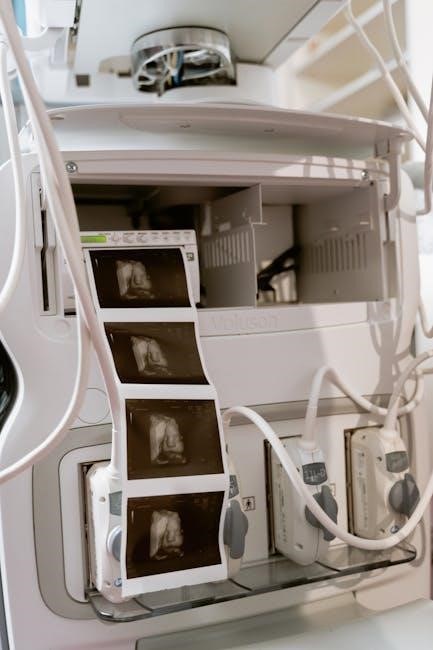
The Dermatology Association of Radiation Therapy (DART)
The Dermatology Association of Radiation Therapy (DART) is a national non-profit medical society dedicated to raising awareness about the benefits of radiation therapy, specifically Image-Guided SRT, in dermatological care. DART actively works to educate both physicians and the public regarding this advanced treatment modality.
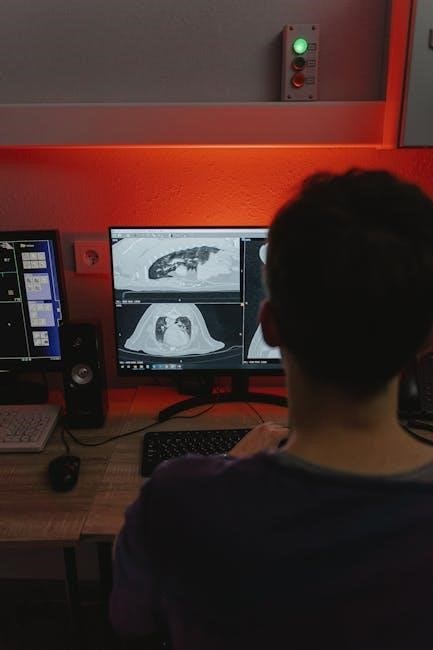
Through its initiatives, DART aims to highlight the role of radiation therapy as a safe and effective option for treating various skin cancers, promoting its integration into comprehensive skin cancer management plans. The association fosters collaboration among healthcare professionals and advocates for improved patient access to IG-SRT.
DART’s efforts contribute to a greater understanding of IG-SRT’s capabilities and its potential to improve outcomes for individuals diagnosed with skin cancer, ultimately advancing the field of dermatologic radiation oncology.
IG-SRT and Skin Cancer Prevention
While Image-Guided SRT (IG-SRT) offers a highly effective treatment for skin cancers, proactive prevention remains the cornerstone of dermatological health. Charleston-based physicians, Dr. Marguerite Germain and Dr. Emily Kmetz, emphasize that prevention is always the optimal strategy when addressing skin cancer risks.
IG-SRT serves as a crucial intervention for cancers that do develop, providing a targeted and non-invasive treatment option. However, consistent sun protection, including sunscreen use, protective clothing, and avoiding peak sun hours, are vital preventative measures.
Regular skin self-exams and professional dermatological screenings are also essential for early detection, increasing the chances of successful treatment with modalities like IG-SRT. Combining preventative practices with access to advanced treatments like IG-SRT offers a comprehensive approach to skin cancer care.
Future Trends in IG-SRT Technology
The field of Image-Guided SRT (IG-SRT) is poised for continued innovation, with advancements focused on enhancing precision, efficiency, and patient outcomes. Key developments are anticipated in both imaging techniques and treatment integration.
Advancements in Imaging Techniques will likely involve higher-resolution imaging modalities, providing even more detailed visualization of tumor margins and surrounding tissues. This will enable more precise radiation delivery and minimize impact on healthy cells.
Integration with Artificial Intelligence (AI) represents a significant frontier. AI algorithms could automate treatment planning, optimize radiation dose calculations, and even assist in real-time image analysis during treatment delivery. These technologies promise to further refine IG-SRT, making it an even more powerful and personalized cancer treatment option.
Advancements in Imaging Techniques
Image-Guided SRT (IG-SRT)’s efficacy is directly linked to the quality of its imaging capabilities, and ongoing research focuses on substantial improvements. Future imaging techniques will prioritize higher resolution and enhanced visualization of subtle tumor characteristics.
Expect to see the incorporation of advanced optical coherence tomography (OCT) offering micron-level precision in assessing skin structures. Furthermore, developments in ultrasound technology will provide real-time feedback on tissue density and tumor margins, guiding radiation delivery with greater accuracy.
These advancements aim to minimize the “penumbra effect” – the area of healthy tissue receiving unintended radiation – and ensure the treatment precisely targets cancerous cells. Improved imaging will also facilitate better monitoring of treatment response, allowing for adjustments as needed, ultimately maximizing therapeutic benefits.
Integration with Artificial Intelligence
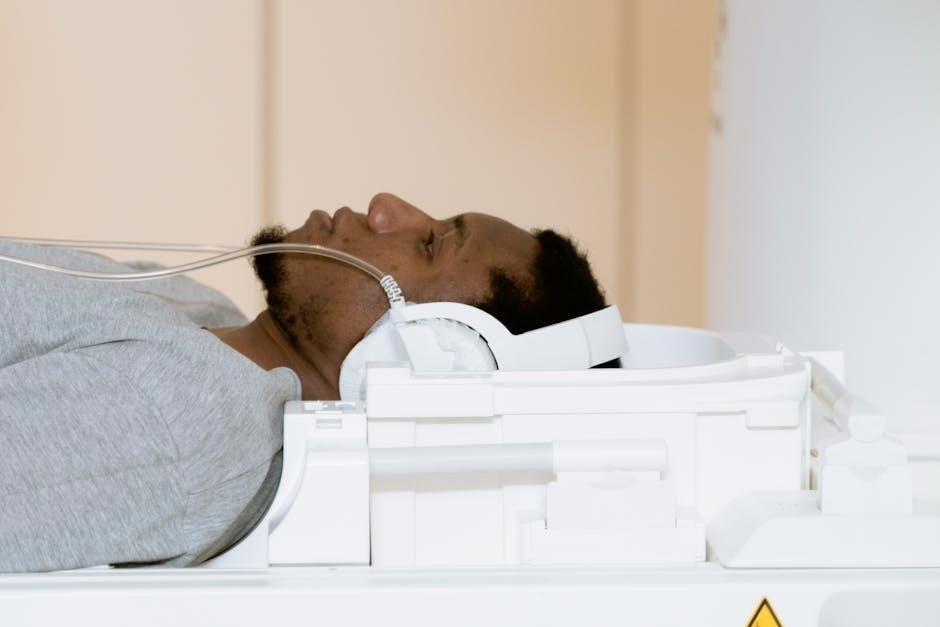
Artificial Intelligence (AI) is poised to revolutionize Image-Guided SRT (IG-SRT), enhancing precision and efficiency across the treatment pathway. AI algorithms can analyze pre-treatment images to automatically delineate tumor boundaries, reducing variability and improving treatment planning accuracy.
Machine learning models can be trained to identify subtle indicators of cancer that might be missed by the human eye, leading to earlier detection and more effective treatment. During treatment delivery, AI can monitor image guidance in real-time, making micro-adjustments to ensure optimal targeting.
Furthermore, AI can analyze patient data to predict treatment response and personalize therapy accordingly. This integration promises to streamline workflows, minimize human error, and ultimately improve patient outcomes in IG-SRT.
Cost and Insurance Coverage for IG-SRT
The cost of Image-Guided SRT (IG-SRT) treatment can vary depending on several factors, including the number of lesions treated, the geographic location of the treatment center, and individual insurance coverage. Generally, IG-SRT is often competitively priced compared to other skin cancer treatment options like Mohs surgery or excisional surgery.
Insurance coverage for IG-SRT is continually expanding, with most major insurance providers now offering reimbursement for the procedure. However, it’s crucial for patients to verify their specific plan details and obtain pre-authorization before beginning treatment.
SkinCure Oncology and other providers often assist patients with navigating the insurance process and understanding their financial responsibilities. Many centers also offer financing options to make treatment accessible.
Finding a Qualified IG-SRT Provider
Locating a qualified Image-Guided SRT (IG-SRT) provider is paramount for ensuring optimal treatment outcomes. Patients should seek physicians with specific training and experience in delivering this advanced therapy. The Dermatology Association of Radiation Therapy (DART) serves as a valuable resource, offering a directory of qualified providers nationwide.
SkinCure Oncology maintains a network of certified IG-SRT centers, providing a consistent standard of care and expertise. When researching providers, consider factors like the center’s accreditation, the physician’s credentials, and patient testimonials.
A thorough consultation is essential to discuss your individual case, treatment options, and potential benefits of IG-SRT. Don’t hesitate to ask questions about the provider’s experience and the technology they utilize.