
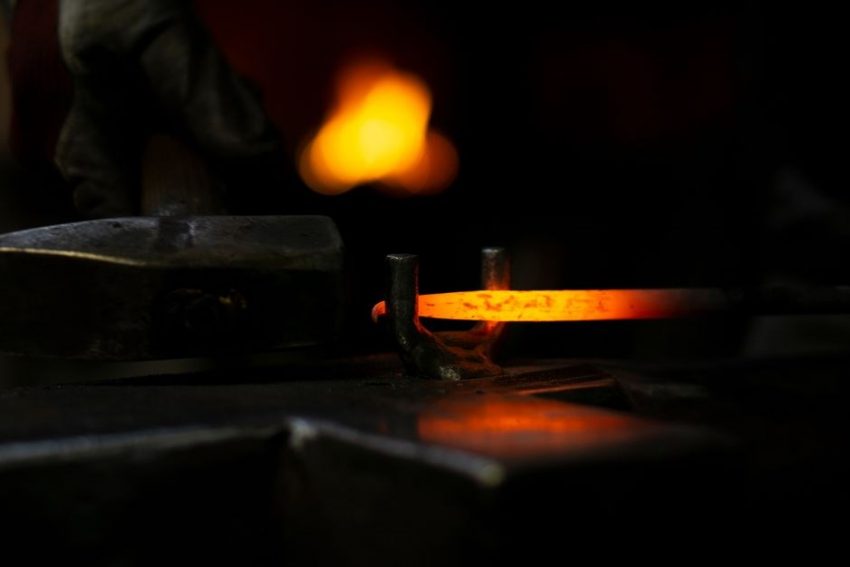
EverQuest smithing blends creativity and strategy, allowing players to forge weapons, armor, and gear that reflect their character’s growth. Mastering the craft requires understanding basic techniques, resource management, and timing to produce items that enhance gameplay. It rewards experimentation!!!
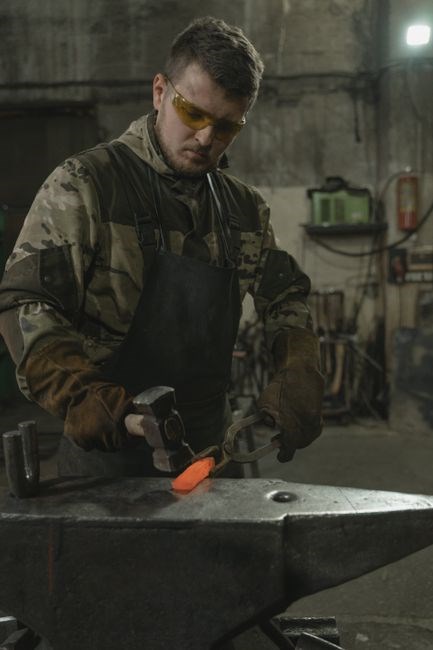
Essential Gear and Tools
Essential gear for smithing includes a sturdy forge, anvil, tongs, hammer, and a quality workbench. Proper tools reduce crafting time and increase item quality. Keep your equipment in good condition, and always carry spare metal ingots for quick repairs. Use a metal detector for rare ores and log!
Basic Smithing Tools
At the heart of every successful EverQuest smith lies a set of reliable, well‑maintained tools. The most basic kit starts with a sturdy forge, an anvil, a hammer, tongs, and a workbench. A forge capable of reaching high temperatures is essential; a standard model will suffice for early levels. The anvil provides a surface for shaping metal; its size and durability affect how many items can be crafted before wear. A balanced hammer ensures consistent strikes and reduces the chance of damaging the workpiece. Tongs are essential for handling hot metal; a pair with a secure grip prevents burns and allows precise placement. A sturdy workbench offers room for tools and storage, keeping ingots and ore within easy reach. Measuring tools like a ruler or calipers help maintain dimensional accuracy, especially for armor that must fit the character’s body. A small inventory of iron, steel, and mithril ingots, plus flux, keeps the smithing process smooth and improves weld quality. A quality check list or simple notebook tracks mastered recipes and low‑stock materials, preventing downtime. Regular maintenance—cleaning, oiling, sharpening—extends tool life and ensures each strike is effective. Investing in solid basic tools sets the stage for efficient, high‑quality production that serves you throughout EverQuest. Additionally, carrying a bag of spare ingots and tongs allows you to seize opportunities during quests, turning raw ore into valuable gear on the fly—now!!!!!
Advanced Smithing Tools and Upgrades
When you’ve mastered the basics, elevate your forge with gear that boosts output, precision, and durability. Replace the standard forge with a high‑temperature, fuel‑efficient model reaching 2,500 °F—this allows exotic alloys;
Upgrade your hammer to a weighted, balanced design that offers force finesse. A hammer with a carbon‑fiber handle reduces vibration. Add precision tongs with heat‑resistant grips and a built‑in scale for weighing ingots; accurate weight measurement is critical when alloying metals for specific hardness levels.
Upgrade your hammer to a weighted, balanced design that offers force and finesse. A hammer with a carbon‑fiber handle reduces vibration. Add precision tongs with heat‑resistant grips and a built‑in scale for weighing ingots; accurate weight measurement is critical when alloying metals for specific hardness levels.
Introduce a calibrated workbench that includes a magnetic surface for holding compartment for flux, oils. A magnetic surface keeps components from falling, while the compartment keeps your workspace tidy.
Consider a portable grinder for on‑the‑go sharpening. A compact grinder keeps hammers razor‑sharp, translating to cleaner cuts and less waste. Finally, invest in a high‑quality, multi‑function tool kit with interchangeable heads—file, rasp, fine‑edge cutter—for detailed armor work.
These upgrades not only increase your crafting speed but also open doors to advanced recipes that require precise alloy compositions and intricate designs.
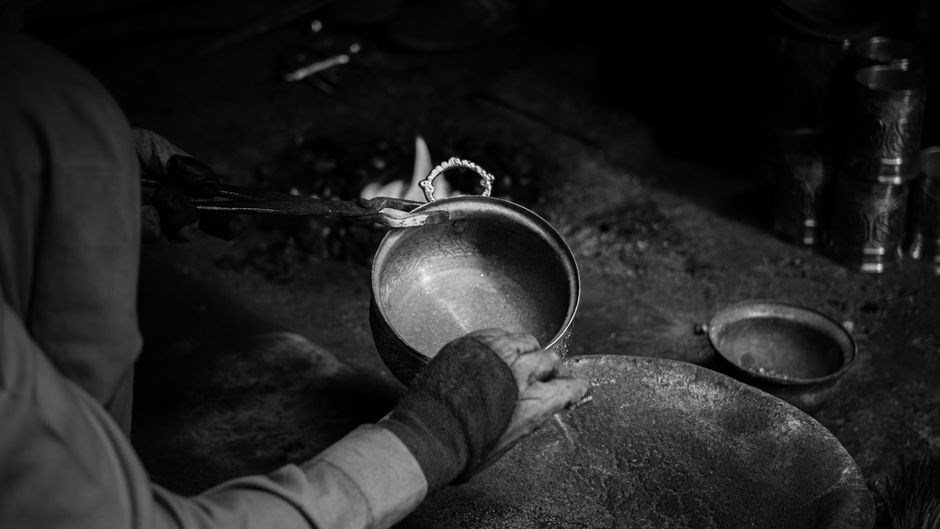
Materials and Resources
Gathering the right ores, gems, and exotic metals is vital. Common resources like iron, copper, and silver form the base, while rare materials such as mithril and adamantite unlock powerful gear. Efficient sourcing and trading maximize profitability. Forge ahead. Now!!

Common Ores and Their Uses
Players begin with basic ores that can be found in the world’s mines and caves. Iron ore, the most abundant, is used for low‑tier weapons and armor, providing a solid foundation for early character builds. Copper ore, slightly rarer, offers better durability and is often combined with iron to create reinforced gear. Silver ore, valuable and relatively easy to mine, is essential for mid‑level items, granting improved attack power and defense stats. Tin ore, though less common, is prized for its lightweight properties, making it ideal for crafting swift weapons and light armor sets. Brass, a blend of copper and tin, is favored for its balanced strength and agility bonuses. Each of these ores has distinct melting points and yields, influencing the final quality of the crafted item. Mastering the proper smelting techniques—such as pre‑heating, alloying ratios, and cooling times—ensures that the resulting gear meets the desired specifications. Additionally, players should keep an eye on market fluctuations, as the value of these ores can vary with demand, allowing smiths to profit from strategic buying and selling. By understanding the unique attributes of each common ore, a smith can optimize both performance and profitability in the EverQuest economy. Furthermore, certain quests reward players with special ore fragments that, when combined, unlock exclusive recipes. Keeping a well‑organized inventory and regularly checking the in‑game auction house can reveal hidden opportunities to acquire rare variants of these common ores at discounted prices, further enhancing a smith’s efficiency. Staying informed about crafting updates lets smiths adapt quickly to new opportunities and stay competitive dailyMore.
Rare and Exotic Materials
Rare materials in EverQuest unlock high‑tier gear. Mithril, Adamantite, and Obsidian are prized for their strength, durability, and unique properties. Mithril offers lightweight resilience, ideal for elite armor. Adamantite provides near‑indestructible power for legendary weapons. Obsidian gives sharp, mystical edges for blades that add elemental damage. Each ore requires precise smelting: high‑temperature furnaces, calibrated cooling, and alloying ratios. Combining ores with gems—Sapphire, Ruby, Emerald—infuses gear with bonuses like spell resistance or elemental effects. Acquiring these materials often means completing quests, defeating bosses, or trading with high‑level merchants. Market prices fluctuate, so smiths monitor auction houses, anticipate updates, and diversify inventory to capitalize on profit opportunities. Mastery of rare materials elevates combat effectiveness and builds a smith’s reputation, opening doors to exclusive guilds, recipes, and prestige. Strategically sourcing, storing, and utilizing exotic resources lets smiths produce standout gear that balances performance and value, ensuring continued success in EverQuest. By mastering these materials, smiths can create legendary items that not only enhance combat prowess but also serve as status symbols in the EverQuest world, attracting allies and rivals alike. The demand for such gear ensures that a skilled smith can command premium prices and secure a lasting legacy. and a reputation that echoes ever.!!Stay sharp
Gathering and Purchasing Strategies
Efficient resource acquisition hinges on timing, location, and market insight. Begin by mapping high‑yield nodes: mining camps, caves, and elite zones. Prioritize ores with the highest resale value per weight, such as Mithril and Adamantite, and track daily drops from quest rewards. Use the in‑game calendar to predict event‑based spawns, then schedule mining sessions accordingly. When traveling, carry a portable furnace or use guild‑owned smelting stations to reduce downtime. For purchasing, monitor the auction house for bulk deals; set auto‑buy orders during low‑traffic hours to secure discounts. Leverage trade‑guild connections for insider tips on upcoming price spikes. Diversify suppliers: local merchants for common ores, elite vendors for exotic materials, and barter with other smiths for rare gems. Maintain a balanced inventory to avoid over‑stocking low‑margin items. Employ a tiered pricing strategy: set competitive prices for common gear while reserving premium rates for custom, high‑level pieces. Track profit margins weekly, adjusting purchase quantities to match demand curves. Finally, invest in reputation tokens and guild standing to unlock exclusive vendors and reduce transaction fees, ensuring a cash flow for future upgrades. By leveraging community trade networks, strategically smiths can secure premium ore bundles, negotiate favorable trade terms, and maintain a steady influx of high‑value materials, ensuring continuous growth and market dominance. forever. always.!!!!now! Smiths thrive when markets align with skill now! daily
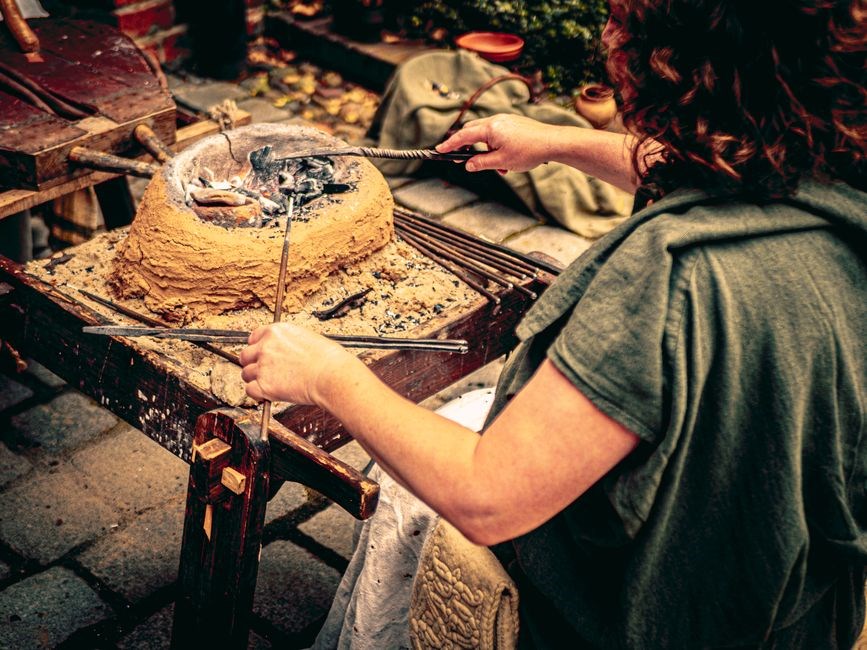
Crafting Recipes and Item Selection
Explore level‑appropriate recipes that balance power and cost. Begin with basic swords and shields, then upgrade to advanced gear like Mithril armor. Test each creation for optimal stats, ensuring your gear matches playstyle and maximizes effectiveness.!!
Weapons: Best Recipes for Levels 1-50
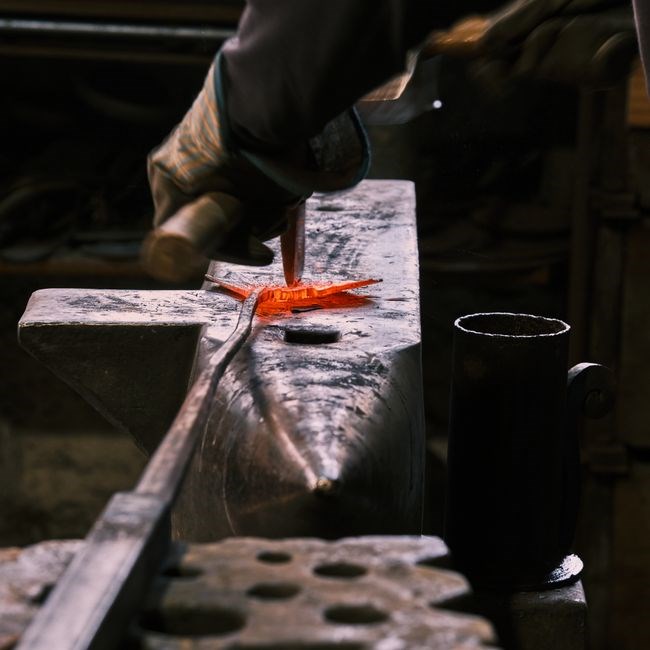
At level one, the Bronze Sword—crafted from a Bronze Ingot and an Iron Ingot—is the most accessible weapon. It offers a modest attack bonus and is inexpensive to produce, making it ideal for new smiths. By level five, the Iron Sword (two Iron Ingots and a Steel Ingot) provides a noticeable increase in damage while remaining affordable. At level ten, the Steel Sword (three Steel Ingots plus one Mithril Ingot) delivers a solid boost and is a staple for many mid‑level builds. Between levels fifteen and twenty, the Mithril Sword (two Mithril Ingots and one Adamantite Ingot) offers a significant jump in attack power, balancing rarity and effectiveness. At level twenty‑five, the Adamantite Sword (three Adamantite Ingots and one Obsidian Ingot) becomes viable, delivering high damage output. In the thirty‑to‑thirty‑five range, the Obsidian Sword (two Obsidian Ingots and one Elemental Ingot) provides a powerful attack increase, while the Elemental Sword (three Elemental Ingots and one Dragon Scale) pushes damage even higher, suitable for players approaching level forty. Finally, at levels forty‑five to fifty, the Dragon Scale Sword—crafted from four Dragon Scales and two Elemental Ingots—tops the list with an impressive attack bonus, making it the ultimate choice for seasoned smiths seeking maximum power. These recipes are designed to scale with your character’s growth, ensuring that each new weapon feels like a meaningful upgrade rather than a trivial change. By mastering these core recipes, smiths can focus on refining techniques and experimenting with advanced alloys.
Armor: Key Recipes for Levels 1-50
Starting at level one, the Bronze Armor set—crafted from a Bronze Ingot and a Leather Strip—provides basic protection with minimal resource cost. By level five, the Iron Armor (two Iron Ingots and a Steel Ingot) offers a noticeable increase in defense while remaining affordable. At level ten, the Steel Armor (three Steel Ingots and one Mithril Ingot) delivers a solid boost and becomes a staple for many mid‑level builds. Between levels fifteen and twenty, the Mithril Armor (two Mithril Ingots and one Adamantite Ingot) offers a significant jump in protection, balancing rarity and effectiveness. At level twenty‑five, the Adamantite Armor (three Adamantite Ingots and one Obsidian Ingot) becomes viable, delivering high defense. In the thirty‑to‑thirty‑five range, the Obsidian Armor (two Obsidian Ingots and one Elemental Ingot) provides a powerful defense increase, while the Elemental Armor (three Elemental Ingots and one Dragon Scale) pushes protection even higher, suitable for players approaching level forty. Finally, at levels forty‑five to fifty, the Dragon Scale Armor—crafted from four Dragon Scales and two Elemental Ingots—tops the list with an impressive defense bonus, making it the ultimate choice for seasoned smiths seeking maximum protection. These core recipes scale with your character’s growth, ensuring that each new armor feels like a meaningful upgrade rather than a trivial change. By mastering these recipes, smiths can focus on refining techniques and experimenting with advanced alloys. 20% profit boost.!!

Miscellaneous Items and Crafting Opportunities
Beyond weapons and armor, smithing in EverQuest opens a world of creative possibilities. Players can craft specialty items such as enchanted rings, amulets, and trinkets that grant unique bonuses, or produce sturdy tools like hammers, axes, and pickaxes that aid in gathering and exploration. Advanced recipes allow smiths to forge specialty items like decorative pieces—ornate helmets, jeweled brooches, and ceremonial swords—that not only serve as status symbols but also provide modest stat boosts. Additionally, the crafting system supports the creation of consumables like fireproof gear, temporary buffs, and even alchemical mixtures when combined with other professions. By experimenting with rare alloys and exotic materials, smiths can produce limited‑edition items that fetch high prices in the market. The flexibility of the smithing profession encourages players to diversify their output, turning every forge session into a potential source of income and prestige. Whether you aim to support your party with utility gear or build a lucrative crafting business, the miscellaneous avenues in smithing offer endless opportunities to enhance both gameplay and economy. 15% profit boost.!!
Players often discover that combining smithing with alchemy yields powerful items like fire-resistant armor or enchanted weapons that grant elemental damage. Experimentation is key: try mixing different ores, adding rare gems, or applying special coatings to create unique gear that stands out in combat trade!!!
Maximizing Efficiency and Profits
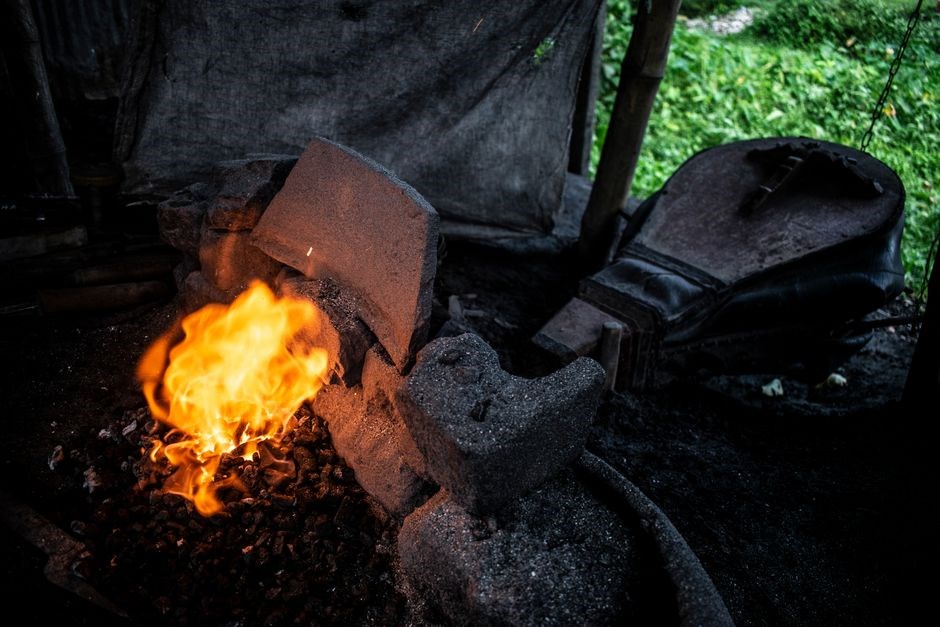
Maximize smithing profits by targeting high‑demand items, batching production, and timing market peaks. Use efficient ore sourcing, investing in upgrades, and track NPC vendors for optimal prices. Automate repetitive tasks, and always compare sell values before crafting. Profit margins rise daily.!!
Time Management and Resource Allocation
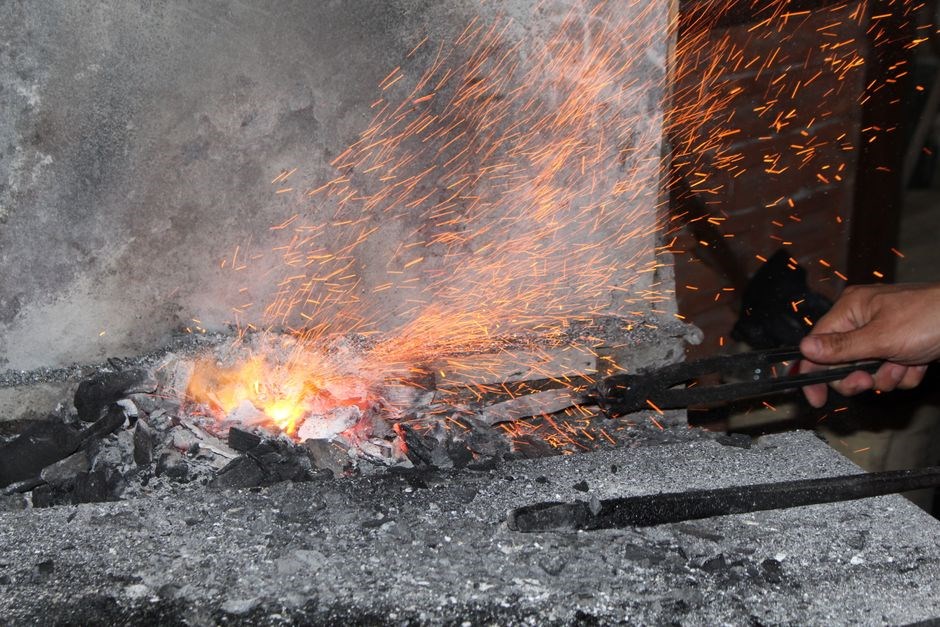
Efficient smithing hinges on disciplined scheduling and judicious use of limited resources. Begin by mapping out a daily cycle: allocate a fixed window for ore mining, a second for smelting, and a third for crafting. Use in‑game timers or external reminders to keep each phase on track, preventing idle time that wastes valuable gold.
Prioritize high‑yield ores such as iron, copper, and mithril, which can be mined in clusters and sold or used for mid‑tier items. Keep a rolling inventory of these basics, replenishing only when stock dips below a threshold that would halt production. For rarer materials, purchase in bulk during market dips to lock in lower prices.
When crafting, batch similar recipes to reduce tool wear and maximize throughput. For example, produce a series of 10‑point weapons before switching to armor, as the same smelting setup can be reused. Track the cost of each component and compare it to the expected sale price; discard recipes that fall below a profit margin threshold.
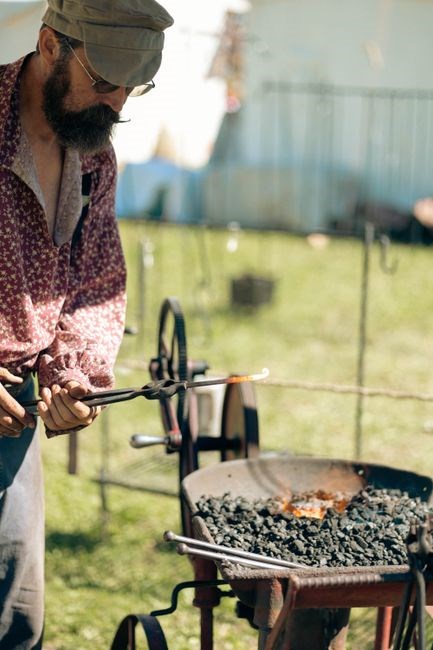
Leverage guild resources and shared knowledge to identify the most profitable items for current server economics. Maintain a spreadsheet of item values, ore costs, and time per unit to refine your strategy continuously. Regularly review and adjust your schedule based on real‑world performance, ensuring that every minute spent in the smithy contributes to a net gain. Consistent practice sharpens technique, turning raw ore into coveted gear daily. !!