
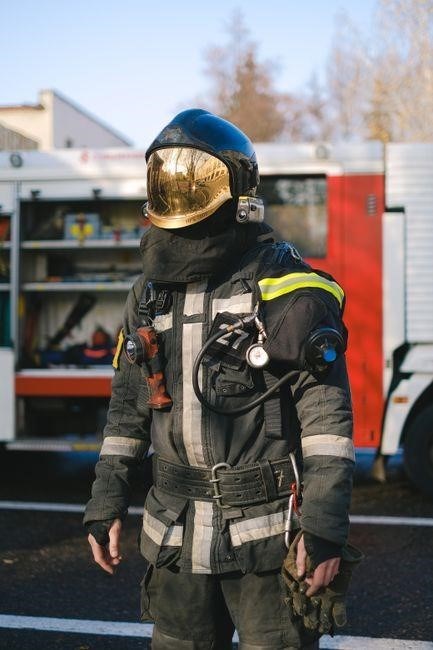
Overview of Firefighter Interview Process
Firefighter interview process starts with a written test, followed by a physical fitness assessment, a structured interview, and a medical exam. Candidates answer situational, technical, and behavioral questions, demonstrating teamwork, problem‑solving, and knowledge of fire classes. growth. now
Key stages of the interview
The interview unfolds in three distinct phases that collectively evaluate a candidate’s suitability for the demanding role of a firefighter. In the initial screening, applicants submit a resume and a written questionnaire that probes basic knowledge of fire science, emergency response protocols, and personal motivation. Successful candidates advance to the second stage, a structured interview conducted by a panel of seasoned firefighters and department officials. This stage focuses on behavioral and situational questions, requiring applicants to demonstrate teamwork, leadership, and decision‑making under pressure. The final phase is a practical assessment, where candidates perform simulated rescue and suppression tasks while being observed for technical proficiency, physical stamina, and adherence to safety procedures. Throughout each phase, interviewers look for evidence of critical thinking, communication skills, and a genuine commitment to public service. By the end of the process, the department has a comprehensive view of the applicant’s technical competence, interpersonal abilities, and cultural fit within the firehouse community; The interviewers may conduct a role‑play scenario where the candidate coordinates a multi‑unit response to a simulated chemical spill. A final debrief lets the candidate ask about culture and career progression. The process spans one to two days, ensuring thorough evaluation. Successful applicants receive a formal offer contingent on probationary completion. Training logs and certifications are reviewed and relevance OK.
- Written Test: Covers fire classes, equipment, and basic math.
- Physical Fitness Assessment: Includes push‑ups, sit‑ups, and a 1.5‑mile run.
- Structured Interview: Uses the STAR method to evaluate past experiences.
- Practical Drill: Candidates navigate a mock building, perform hose‑line deployment, and rescue a mannequin.
- Medical & Psychological Screening: Confirms physical readiness and mental resilience.
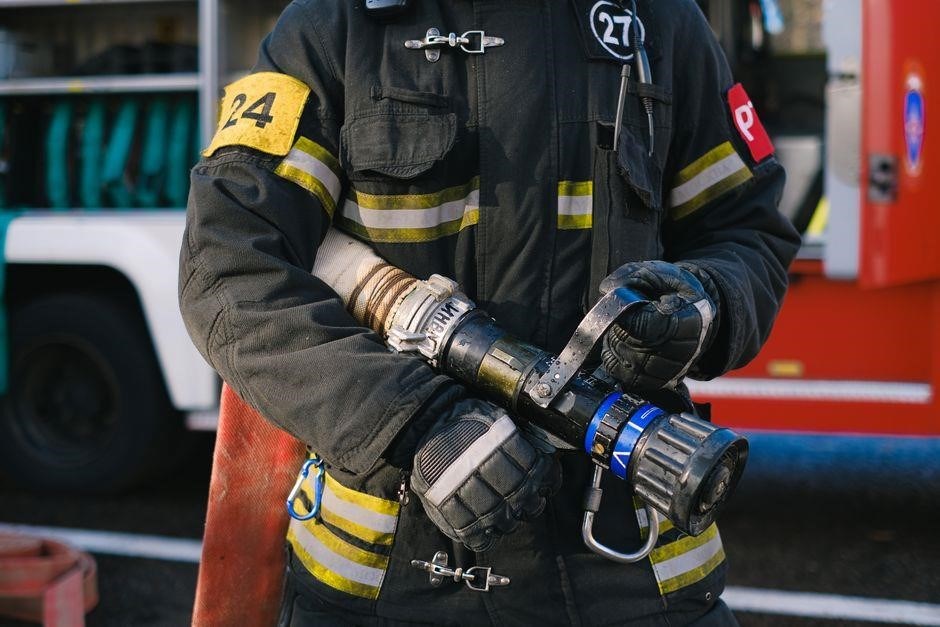
Common Interview Questions
Typical questions cover motivation, teamwork, safety protocols, scenario handling. Candidates explain why they want the role, describe past teamwork, outline fire‑class knowledge, and use STAR to detail conflict resolution and decision making. Interviewers also probe leadership, communication, ethicalandjudgment.
Top 20 frequently asked questions
- Why do you want to become a firefighter?
- Give an example of teamwork under pressure.
- How do you handle stress during emergencies? Provide a specific example.
- What are the main fire classes?
- Outline steps in a structure fire response.
- How do you keep physically fit for this role?
- Describe a quick decision you made with limited info.
- Which safety protocols would you follow in a hazardous area? Mention PPE and ventilation.
- How do you prioritize tasks during multi‑incident calls? Explain triage.
- Share a conflict resolution experience within a team.
- Why is communication vital in firefighting?
- Explain handling a medical emergency on scene. Include triage and EMS handoff.
- What experience do you have with suppression equipment?
- How do you stay current on fire codes? Mention reading NFPA updates.
- What is your approach to ongoing learning? Discuss certifications and training.
- Describe adapting to changing incident conditions.
- How would you address a colleague not following protocol? Outline steps.
- Identify a safety hazard you mitigated.
- Which qualities are essential for a firefighter? List teamwork, resilience, communication.
- How will you contribute to team culture?
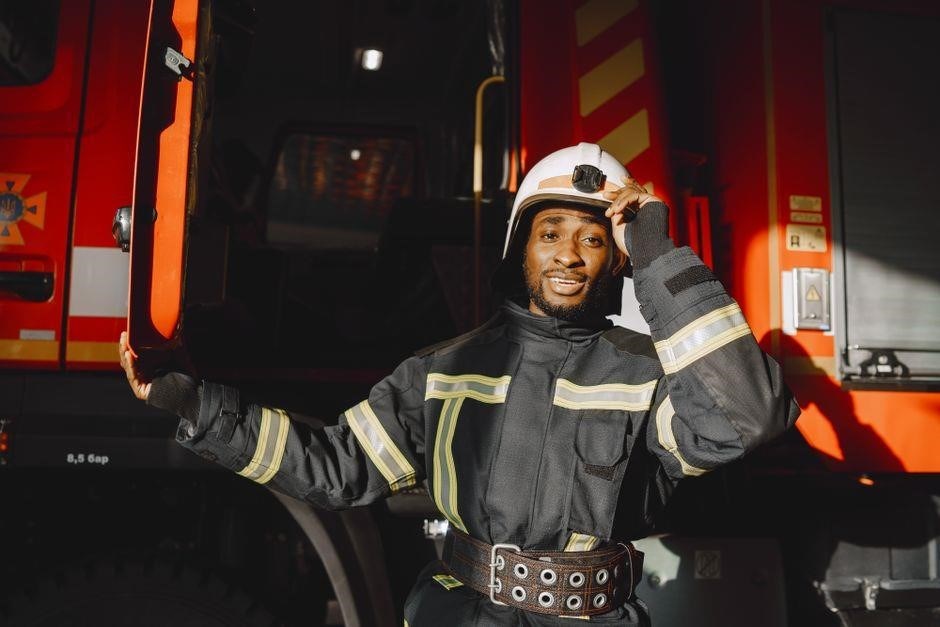
Physical Fitness Assessment
Physical fitness assessment evaluates strength, endurance, agility, and functional capacity. Typical tests include push‑ups, sit‑ups, 1.5‑mile run, and obstacle courses. Candidates must meet minimum standards set by the department, demonstrating readiness for demanding duties. Stamina and power are vital.
Physical fitness assessment evaluates strength, endurance, agility, and functional capacity. Typical tests include push‑ups, sit‑ups, 1.5‑mile run, and obstacle courses. Candidates must meet minimum standards set by the department, demonstrating readiness for demanding duties. Stamina and power are vital.
Questions about fitness routine and test preparation
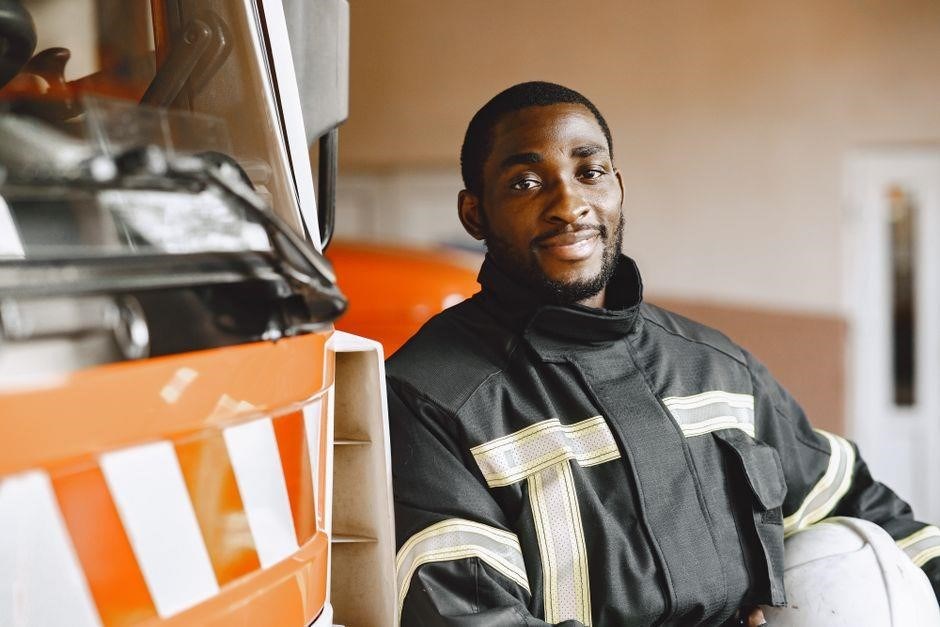
During the interview, candidates often face questions such as: “Describe your current fitness routine.” “How do you prepare for the 1.5‑mile run?” “What specific drills improve your stair‑climb performance?” Interviewers seek evidence of structured training, consistency, and progress tracking. Candidates should mention periodized programs, incorporating cardio, strength, and functional drills. Discuss using a training log, setting SMART goals, and monitoring heart‑rate zones. Explain how you balance rest and recovery, use mobility work, and adapt workouts to meet department standards. Highlight any certifications (e.g., CPR, EMT) that complement physical readiness. When answering, use the STAR method: Situation (training goal), Task (specific exercise), Action (how you executed), Result (performance improvement). This demonstrates not only fitness but also goal‑setting, problem‑solving, and accountability—qualities essential for a firefighter. Candidates should also discuss how they integrate mental resilience training, such as mindfulness or stress‑inoculation drills, into their routine to maintain composure during high‑pressure incidents. Additionally, they should outline how they track recovery metrics—sleep hours, heart‑rate variability, and nutrition—to ensure peak performance for each assessment day. Finally, interviewers value a structured warm‑up routine that includes mobility, core activation, and a focus exercise to prime the body and mind before the physical test.!!
Behavioral and Situational Questions
Interviewers probe teamwork, conflict resolutionand decision‑making.Common prompts: “Describe a time you handled a crisis.” Candidates should use the STAR method, detailing context, action, result, and lessons learned, showcasing adaptability and composure.
Examples of situational questions and STAR responses
Question: “Describe a time you had to lead a team during a multi‑unit incident.” Situation: A warehouse fire with 12 units on scene. Task: Coordinate resources and ensure safety. Action: I established a command post, delegated tasks, and maintained communication. Result: Fire was contained within 45 minutes, no injuries, and the incident report praised teamwork.
Question: “Tell me about a conflict with a colleague and how you resolved it.” Situation: A disagreement over hose placement. Task: Resolve quickly to avoid delay. Action: I listened, clarified concerns, and proposed a compromise. Result: The plan worked, the incident was handled efficiently, and we built mutual respect.
Question: “How would you handle a situation where a family member is trapped inside a burning building?” Situation: A call with a single‑family home on fire. Task: Rescue the occupants. Action: I prioritized search, used thermal imaging, and coordinated with EMTs. Result: All occupants were rescued safely, and the family expressed gratitude.
Question: “Explain a time you had to adapt to unexpected changes during an emergency.” Situation: A sudden structural collapse during a rescue. Task: Ensure crew safety and continue rescue. Action: I re‑assigned duties, updated the incident command, and used backup equipment. Result: The rescue was completed with zero injuries.
Question: “Describe how you manage stress during prolonged operations.” Situation: A 12‑hour incident with limited rest. Task: Maintain alertness and performance. Action: I implemented brief mental breaks, hydration, and peer support. Result: Team morale stayed high and the operation concluded successfully.
Question: “Give an example of a time you had to communicate complex information to non‑technical personnel.” Situation: Briefing a volunteer crew on fire suppression tactics. Task: Ensure clear understanding. Action: I used analogies, visual aids, and repeated key points. Result: The volunteers performed tasks correctly, reducing incident time.
Question: “What would you do if you discovered a hazardous material during a rescue?” Situation: A chemical spill in a warehouse. Task: Prevent exposure and contain the spill. Action: I isolated the area, notified hazmat, and followed protocols. Result: No injuries occurred and the hazard was contained safely.
Technical Knowledge Evaluation
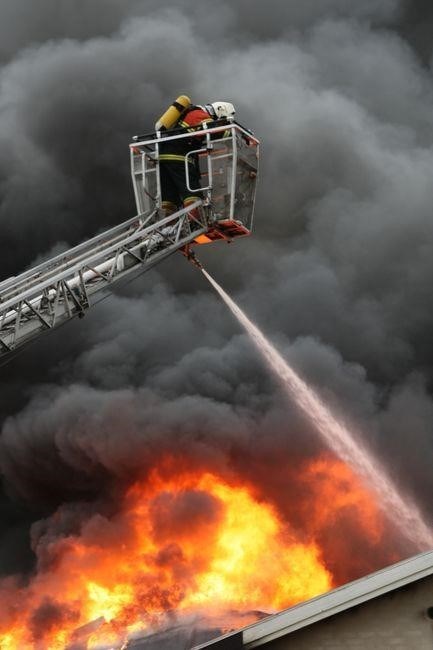
Firefighters face questions on fire classes (A, B, C, D, K) and suppression systems like water, foam, dry chemical, CO₂, and portable extinguishers. Candidates explain mechanisms, application scenarios, and safety protocols. NFPA code knowledge and equipment upkeep is vital.!!!
Questions on fire classes and suppression systems
During the technical segment, interviewers probe your grasp of the five primary fire classes—A (ordinary combustibles), B (flammable liquids), C (electrical), D (metals), and K (kitchen). You should articulate the distinct extinguishing agents: water and foam for Class A, foam or dry chemical for B, CO₂ or dry chemical for C, specialized powders for D, and wet chemical for K. Expect scenario‑based queries such as, “How would you approach a Class B spill in a confined space?” or “What steps would you take if a Class C fire erupts in a server room?” Candidates also face questions about suppression systems: automatic sprinkler layouts, standpipe and hose reel configurations, portable extinguishers, and integrated fire‑alarm controls. Demonstrating knowledge of NFPA 13, 14, and 25 standards, as well as routine maintenance checks, signals readiness for field operations.
Interviewers may also ask you to outline troubleshooting steps for a malfunctioning sprinkler system, describe the procedure for a fire suppression system test, or explain how to interpret fire alarm schematics. They might present a case study: “A Class D fire has ignited in a metal fabrication shop. Which extinguishing agent would you deploy, and what safety measures must you observe?” Your answer should reflect an understanding of the chemical properties, potential hazards, and the correct application technique. Additionally, be ready to discuss the integration of suppression systems with building automation, the role of fire suppression in reducing damage, and how to coordinate with other emergency services during a large incident. Demonstrating familiarity with both the theory and practical application of fire classes and suppression systems will showcase your technical competence and readiness for the role.
Remember to cite recent NFPA updates and local regulations to show you stay current.
Demonstrating Assessable Qualities
Show teamwork, problem‑solving, and leadership by citing real incidents where you coordinated rescue, triaged patients, or led a drill. Use STAR: Situation, Task, Action, Result, and quantify impact—e.g., reduced response time by 15% or saved lives.————————
Providing evidence of teamwork and problem‑solving
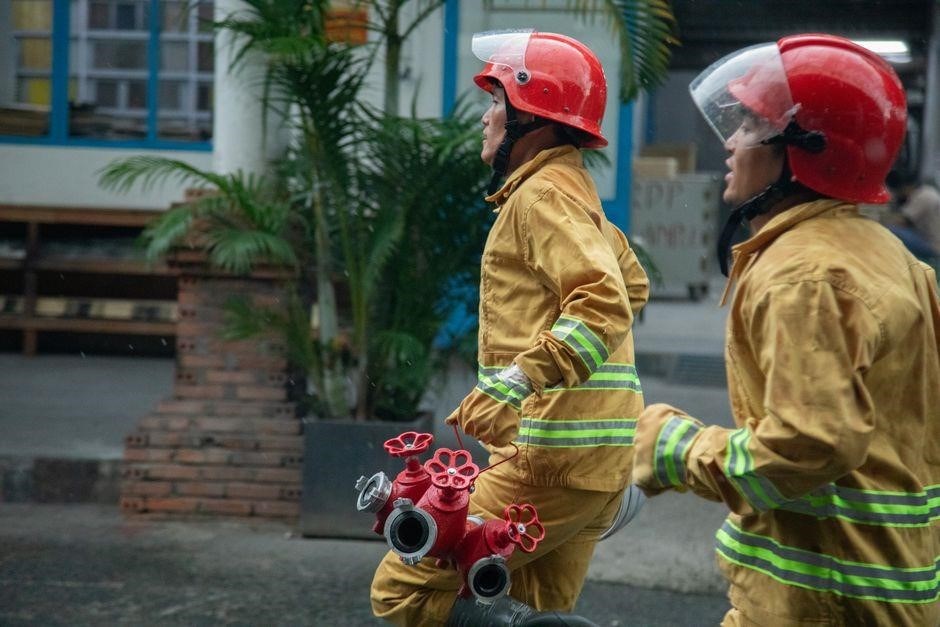
When responding to interview questions, provide concrete examples that showcase teamwork and problem‑solving. Use the STAR method: Situation, Task, Action, Result. For instance, during a multi‑unit residential fire, you coordinated hose line placement while delegating breathing‑air distribution to crew members. You identified a structural weakness, communicated it to the team, and rerouted the ladder to avoid collapse, saving the interior crew. Quantify impact: “Reduced interior exposure time by 30 seconds, allowing a quicker evacuation.” In another scenario, you led a 12‑person crew in a simulated chemical spill. You developed a containment plan, assigned roles, and executed a rapid response that cut overall response time by 20 %. Highlight communication tools used—radio, hand signals, and written checklists—and how you ensured safety protocols were followed. Provide documentation such as commendations, after‑action reports, or supervisor notes that corroborate your role. This evidence demonstrates you can think on your feet, collaborate under pressure, and deliver measurable results. Additionally, discuss cross‑departmental drills where you worked with EMS, police, and volunteer units to synchronize rescue efforts. Explain how you resolved conflicts, negotiated resource allocation, and maintained morale. Emphasize your ability to adapt plans in real time, using data from incident reports to improve future performance. By presenting these detailed, verifiable stories, you prove you possess the assessable qualities of teamwork, leadership, and analytical problem‑solving required for a firefighter. These narratives satisfy interview criteria and reflect your commitment to stakeholder collaboration, continuous improvement, and community safety etc.
Sample PDF Question Sets
Download the 20 Sample Firefighter Interview Questions PDF 2026, featuring updated queries and model answers. Use it to practice STAR responses, review policy references, and benchmark your knowledge of fire classes, suppression systems, and teamwork scenarios 2026. PDF!
20 Sample Firefighter Interview Questions PDF 2026
Our downloadable PDF presents twenty of the most frequently asked firefighter interview questions, updated for 2026. Each question is paired with a concise model answer that demonstrates the STAR (Situation, Task, Action, Result) technique, ensuring you can articulate experiences clearly and confidently. The document also includes a quick reference guide to key fire service policies, fire class definitions, and standard operating procedures, allowing you to align your responses with current departmental expectations. By reviewing the PDF, you’ll gain insight into the types of situational, technical, and behavioral inquiries that interview panels prioritize, such as “Describe a time you handled a high‑pressure rescue” or “Explain the difference between Class A and Class B fires.” The format encourages active practice: copy the questions into your own notes, craft personalized responses, and compare them against the model answers to refine tone, detail, and relevance. Additionally, the PDF offers a checklist for physical fitness and medical readiness, reminding candidates to document training logs, certifications, and health clearances. Whether you’re preparing for a municipal, volunteer, or specialized fire department, this resource serves as a comprehensive study aid, helping you present a polished, policy‑aligned profile that meets the rigorous standards of modern fire service recruitment.
Preparation Strategies and Tips
Use the STAR method to frame answers, review department policies, practice physical drills, and compile evidence of teamwork. Schedule mock interviews, study fire‑class definitions, keep training logs up to date. Arrive early, dress professionally, stay calm.
Review reports and align answers with mission.
Using the STAR method and reviewing policies
When preparing for a firefighter interview, the STAR method—Situation, Task, Action, Result—provides a clear framework for answering behavioral questions. Begin by selecting a specific incident from your training or volunteer experience that illustrates a core competency such as teamwork or crisis management. Describe the Situation with enough context to show the challenge. Then explain the Task you were responsible for, highlighting any leadership or decision‑making roles. In the Action section, detail the steps you took, emphasizing the skills you employed and the resources you coordinated. Finally, quantify the Result, noting any measurable outcomes, commendations, or lessons learned. Practice this structure until it feels natural, and tailor each answer to align with the department’s stated values and mission statement.
Simultaneously, review the department’s policies and standard operating procedures. Familiarize yourself with the fire code, safety protocols, and the organization’s emergency response plans. Understanding these documents demonstrates your commitment to compliance and your readiness to integrate into the team. During the interview, reference specific policies when discussing past experiences—for example, explain how you applied the department’s “incident command” guidelines during a mock drill. This not only showcases your knowledge but also signals that you respect procedural rigor. Combine the STAR technique with policy insight to deliver concise, evidence‑based responses that resonate with interviewers.
Additionally, prepare a quick reference sheet summarizing key policy points, such as the chain of command, equipment checklists, and debriefing protocols. During the interview, you can cite these points to illustrate your proactive approach to safety and accountability. Remember to keep the sheet concise—no more than a single page—and practice retrieving information quickly. This readiness will help you answer spontaneous questions about policy application and reinforce your image as a meticulous, policy‑conscious candidate. Your thorough preparation will set you apart.