
Apple Watch Size Guide: Finding the Perfect Fit (Updated March 23, 2026)
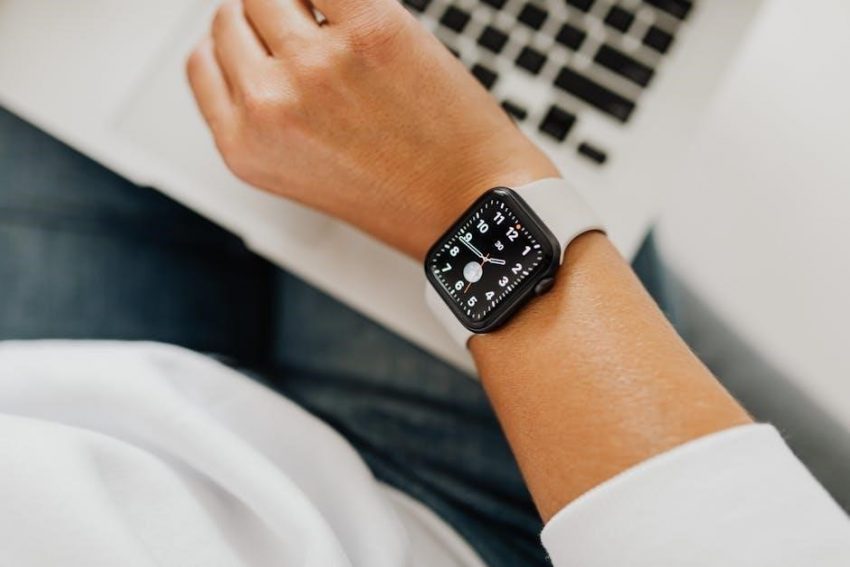
Determining the ideal Apple Watch size hinges on precise wrist measurements, influencing comfort and functionality, especially with touchless wrist measurement technologies evolving.
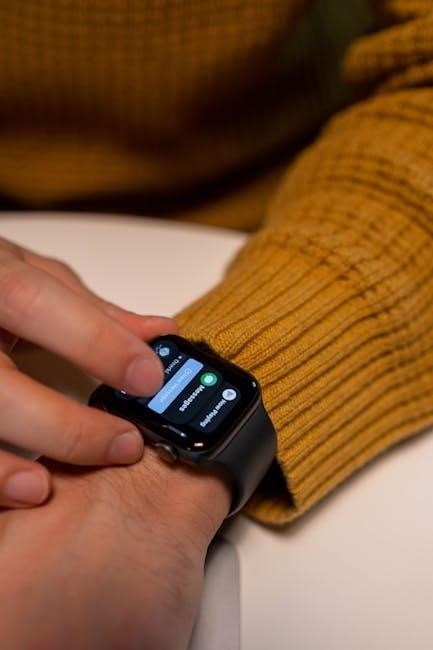
Selecting the correct Apple Watch size is crucial for both comfort and optimal functionality. A watch that’s too small can be difficult to read and interact with, while one that’s too large might feel bulky and uncomfortable during daily activities or workouts.
Recent advancements, like touchless wrist measurement systems detailed in patent filings, emphasize the importance of a secure and accurate fit. The size directly impacts sensor performance and data accuracy. Considering your wrist size ensures the watch sits properly for reliable health tracking and notifications.
Ultimately, the right size enhances your overall Apple Watch experience.
Understanding Apple Watch Case Sizes
Apple Watch case sizes have evolved across generations, impacting fit and features. Current models offer 41mm and 45mm options, providing a balance between screen size and wearability. Older Series 6 and earlier featured 40mm and 44mm cases. The original Series 1 & 2 debuted with 38mm and 42mm sizes.
These dimensions refer to the watch case’s height, not the screen size. Understanding these differences is vital when considering compatibility with existing bands or upgrading from a previous model. Accurate wrist measurements, coupled with knowledge of these case sizes, ensure a comfortable and functional fit.
41mm vs. 45mm (Current Models)
The 41mm Apple Watch is ideal for those with smaller wrists or preferring a more discreet profile. It offers a comfortable fit and all the latest features in a slightly more compact package. Conversely, the 45mm model boasts a larger display, enhancing readability and providing more screen real estate for complications.
This larger size is well-suited for individuals with larger wrists or those prioritizing a bolder aesthetic. Both sizes maintain band compatibility, allowing for personalization. Choosing between them depends on individual preference and wrist size for optimal comfort.
40mm vs. 44mm (Older Models ⏤ Series 6 & Earlier)
For Apple Watch Series 6 and earlier, the 40mm case was the smaller option, fitting comfortably on smaller wrists and offering a streamlined look. It’s a good choice for those who prefer a less bulky feel. The 44mm model, however, provided a noticeably larger display, improving visibility and offering more space for complications.
This size was better suited for larger wrists or users who valued a more prominent watch face. Band compatibility existed within these sizes, but differs from current models. Consider wrist size and display preference when choosing.
38mm vs. 42mm (Original Apple Watch ー Series 1 & 2)
The original Apple Watch (Series 1 & 2) launched with 38mm and 42mm case options, establishing the foundation for future sizing. The 38mm model was designed for those with smaller wrists, prioritizing a discreet and lightweight feel. It offered a balanced aesthetic for everyday wear.
Conversely, the 42mm version catered to users desiring a larger display and a bolder presence. This size proved popular among those prioritizing readability and functionality; Band interchangeability was present, but limited to these earlier generations’ specific designs.
Measuring Your Wrist for an Apple Watch
Accurate wrist measurement is paramount for selecting the correct Apple Watch size, ensuring both comfort and optimal functionality. A snug, but not constricting, fit is the goal. Two primary methods exist: utilizing a flexible measuring tape or employing a string/paper strip.
When using a tape measure, position it snugly around your wrist bone. For the string method, mark the point where it overlaps, then measure that length. Remember to convert inches to millimeters for precise comparisons against Apple’s sizing guidelines.
Using a Flexible Measuring Tape
Employing a flexible measuring tape offers the most direct route to an accurate wrist measurement for your Apple Watch selection. Ensure the tape is positioned directly over your wrist bone, avoiding compression. The tape should lie flat against your skin, but not be overly tight – aim for a comfortable snugness.
Record the measurement in inches or millimeters. For optimal precision, repeat the measurement two or three times and average the results. This minimizes potential errors and provides a more reliable figure for determining the ideal Apple Watch case size for your wrist.
Using a String or Paper Strip
If a flexible measuring tape isn’t readily available, a string or strip of paper provides a viable alternative for determining your wrist size. Wrap the string or paper snugly around your wrist, marking the point where it overlaps. Ensure it’s comfortably snug, mirroring how an Apple Watch would fit.
Carefully lay the string or paper flat and measure its length using a ruler or standard measuring tape. Record this measurement in inches or millimeters. Repeating this process a few times and averaging the results will enhance accuracy, leading to a better Apple Watch fit.
Converting Measurements: Inches to Millimeters
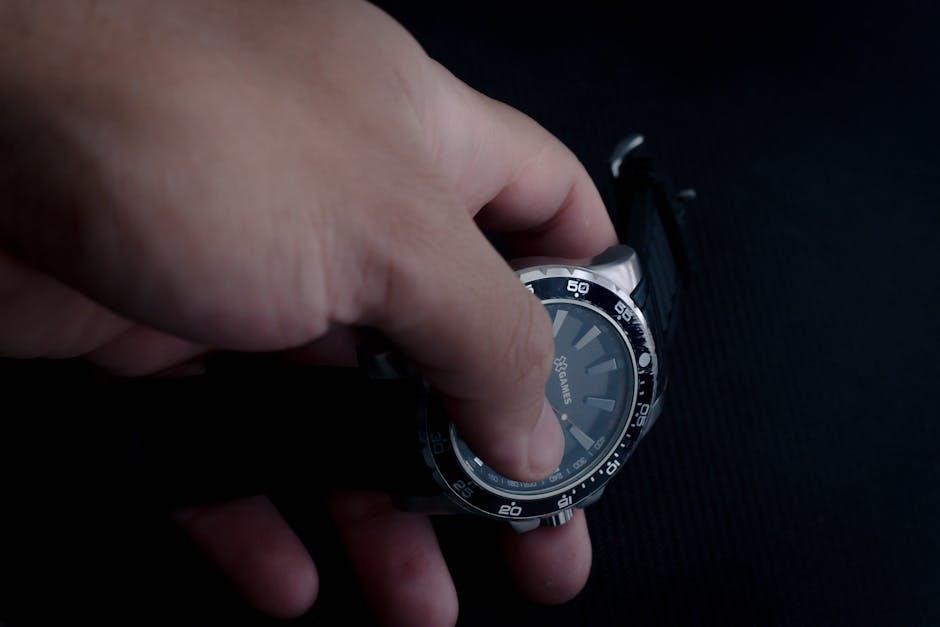
Accurate conversion between inches and millimeters is crucial for selecting the correct Apple Watch size, as specifications often utilize both units. To convert inches to millimeters, simply multiply the measurement in inches by 25.4. For example, a wrist measuring 6.5 inches would equate to 165.1 millimeters.
Conversely, to convert millimeters to inches, divide the measurement in millimeters by 25.4. This ensures compatibility when comparing your wrist size to Apple Watch case dimensions, guaranteeing a comfortable and secure fit. Double-checking your conversions is always recommended.
Apple Watch Size Recommendations Based on Wrist Size
Selecting the optimal Apple Watch size is directly linked to your wrist circumference, impacting both comfort and aesthetics. For wrists under 5.5 inches, the 41mm case is generally recommended, offering a proportionate and comfortable fit. Medium wrists, ranging from 5.5 to 7.3 inches, suit either the 41mm or 45mm models, depending on personal preference.
Larger wrists, 7.3 inches and above, benefit from the 45mm case, providing a more substantial and balanced appearance. These are general guidelines; individual comfort should always be prioritized.
Small Wrists (Under 5.5 inches)
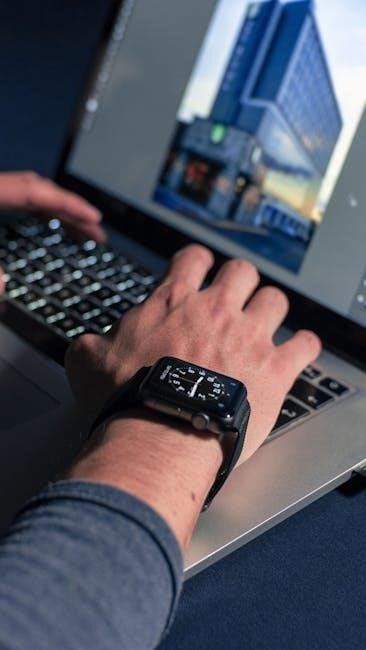
Individuals with wrists measuring under 5.5 inches typically find the 41mm Apple Watch case to be the most comfortable and aesthetically pleasing option. This size offers a balanced look without appearing oversized or bulky. The smaller case ensures the watch sits securely and doesn’t feel cumbersome during daily activities.
Consider trying on both 41mm and potentially older 40mm models (if available) to compare. Prioritize a fit that allows for comfortable movement and doesn’t cause irritation. Band selection is also crucial; slimmer bands complement smaller wrists best.
Medium Wrists (5.5 ー 7.3 inches)
For wrists ranging from 5.5 to 7.3 inches, both the 41mm and 45mm Apple Watch sizes offer viable options, depending on personal preference. The 41mm provides a classic, understated look, while the 45mm delivers a larger display and potentially easier interaction with features.
Many users within this range prefer the 45mm for enhanced visibility and usability. Trying on both sizes is highly recommended to assess which feels more proportionate and comfortable. Consider your lifestyle; active users might favor the larger screen for fitness tracking.
Large Wrists (7;3 inches and Above)
Individuals with wrists measuring 7.3 inches or larger generally find the 45mm Apple Watch to be the most comfortable and aesthetically pleasing choice. This size provides a balanced look, preventing the watch from appearing disproportionately small on a larger wrist.
For those seeking a bolder statement and maximum screen real estate, the Apple Watch Ultra’s 49mm case is specifically designed for larger wrists. Prioritize comfort and ensure the band fits securely without feeling constricting. Trying on different band styles is crucial for optimal fit.
Apple Watch Band Compatibility Across Sizes
Apple Watch bands boast impressive interchangeability, but understanding size compatibility is key. Bands are categorized by lug width – the space between the watch case and where the band attaches. 41mm and 40mm watches share the same band size, as do 45mm and 44mm models.
However, the Apple Watch Ultra’s 49mm case requires Ultra-specific bands. Band size doesn’t directly correlate to wrist circumference; instead, it’s about the watch’s lug width. Ensure your chosen band matches your Apple Watch model for a secure and stylish fit.
Interchangeability of Bands
A significant benefit of the Apple Watch is the ease of band swapping, allowing for personalization and adaptation to various activities. Most Apple Watch bands are designed for broad compatibility across different case sizes within generations. Specifically, bands designed for the 41mm case will also fit the 40mm case, and similarly, 45mm bands work with 44mm models.
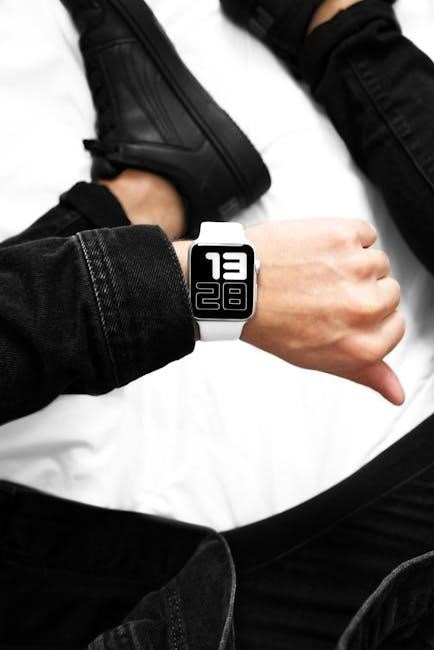
This simplifies band selection, offering a wide range of styles and materials. However, the larger Apple Watch Ultra requires its own unique band style, not interchangeable with smaller sizes.
Band Sizes and Wrist Circumference
Selecting the correct band size is crucial for comfort and a secure fit, directly relating to your wrist’s circumference. Apple Watch bands come in two primary sizes: S/M (suitable for wrists 130-180mm or 5.1-7.1 inches) and M/L (designed for wrists 150-200mm or 5.9-7.9 inches).
Accurately measuring your wrist is essential before purchasing bands. Consider the activities you’ll be doing; a snugger fit is preferable for intense workouts, while a looser fit might be more comfortable for daily wear. The Ultra bands cater to larger wrist sizes.
Apple Watch Ultra Size and Fit
The Apple Watch Ultra boasts a robust 49mm titanium case, specifically engineered for those with larger wrists and demanding lifestyles. This larger size isn’t merely aesthetic; it accommodates a bigger battery and enhanced functionality.
However, the substantial size requires careful consideration. Individuals with smaller wrists may find it cumbersome. Specialized bands, designed for the Ultra’s unique lug design, are essential for a secure and comfortable fit during rigorous activities. Proper band selection is paramount for optimal performance.
49mm Case Size – Designed for Larger Wrists
The 49mm Apple Watch Ultra case is intentionally crafted for individuals possessing larger wrist circumferences, prioritizing both comfort and functionality. Its expansive size isn’t simply about aesthetics; it provides ample space for a significantly larger battery, enhancing longevity.
Furthermore, the increased surface area accommodates advanced features and a brighter display. While offering a bold presence, it’s crucial to assess wrist compatibility. Those with smaller wrists might experience discomfort or find the watch unwieldy during daily wear and intense activities.
Specific Band Considerations for Ultra
The Apple Watch Ultra necessitates specific band considerations due to its unique 49mm case and robust design. Standard Apple Watch bands are not universally compatible; the Ultra requires bands specifically engineered for its larger size and different lug design.
Alpine Loop, Ocean Band, and Trail Loop are designed to perfectly complement the Ultra’s rugged aesthetic and functionality. These bands prioritize secure fit during high-impact activities. When exploring third-party options, confirm compatibility with the 49mm case and Ultra’s specialized band attachment system to ensure a secure and comfortable experience.
Factors Beyond Wrist Size to Consider
While wrist size is paramount, several factors influence the optimal Apple Watch selection. Personal aesthetic preferences play a significant role; some prefer the understated look of a smaller watch, while others favor the bolder statement of a larger model.
Intended use is crucial. Frequent fitness tracking benefits from a secure, comfortable fit, potentially favoring a smaller size. Everyday wear might prioritize display visibility and style. Consider if you’ll be using the watch for notifications, health monitoring, or specialized apps – these needs impact the ideal screen size and overall watch dimensions.
Personal Preference for Watch Aesthetics
The Apple Watch is also a fashion statement, and personal style heavily influences size choice. Some individuals prefer a minimalist aesthetic, finding smaller case sizes more elegant and less intrusive on their wrist. Others gravitate towards larger watches, viewing them as bolder and more modern accessories.
Consider how the watch will complement your wardrobe and daily attire. A larger watch can make a statement, while a smaller one blends more seamlessly. Ultimately, the “best” size is subjective and depends on your individual taste and how you want to present yourself.
Intended Use (Fitness Tracking, Everyday Wear)
Your primary use case significantly impacts the optimal Apple Watch size. For dedicated fitness tracking, especially activities like swimming or running, a snug and secure fit is crucial. A slightly smaller size might be preferable to avoid excessive movement during workouts.
However, for everyday wear and utilizing features like notifications and apps, a larger display offers improved visibility and ease of interaction. Consider if you prioritize glanceable information or comfortable, unobtrusive wear throughout the day. Balancing these needs is key to selecting the right size.
Apple Watch Size and Display Area
The Apple Watch case size directly correlates with the available screen real estate. Larger case sizes, like the 45mm and 49mm, provide a noticeably bigger display, enhancing readability and accommodating more complications. This is particularly beneficial for users who frequently check notifications, use apps, or prefer larger fonts.
Conversely, smaller sizes, such as the 41mm, offer a more compact profile but with a reduced display area. While still functional, it may require more scrolling or squinting for some users. Prioritizing display size depends on individual visual preferences and usage patterns.
Comparing Screen Real Estate
A direct comparison reveals significant differences in display area across Apple Watch sizes. The 49mm Ultra boasts the largest screen, ideal for detailed maps and data-rich workouts. The 45mm offers a substantial increase over the 41mm, providing more space for complications and app content.
Even the difference between 41mm and 45mm is noticeable for everyday use. Consider how much information you want readily visible; a larger screen minimizes scrolling. Ultimately, screen real estate impacts usability and the overall viewing experience, aligning with individual needs.
Visibility and Readability
Larger Apple Watch displays inherently enhance visibility and readability, particularly for those with visual impairments or presbyopia. Text and graphics appear crisper and are easier to discern at a glance, reducing eye strain during frequent checks.
The increased screen size allows for larger font options and more detailed watch faces. This is crucial during activities like running or cycling, where quick information access is paramount. Smaller models may require more deliberate focus, potentially impacting safety and performance.
Where to Buy and Try On Apple Watches
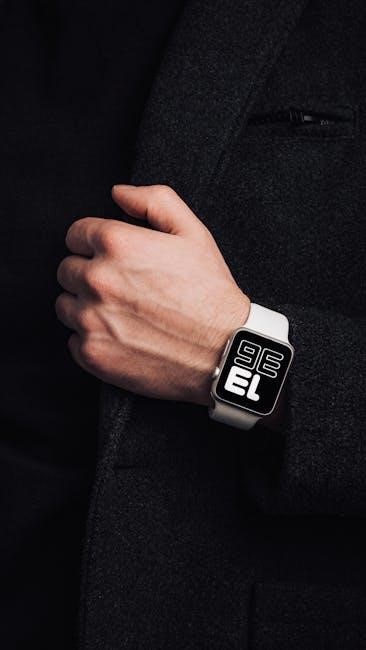
Experiencing the fit firsthand is crucial when selecting an Apple Watch size; therefore, visiting an Apple Store is highly recommended. Knowledgeable staff can assist with wrist measurements and demonstrate various sizes.
Authorized retailers, like Best Buy and Target, also offer try-on opportunities, though selection may vary. Online purchases require careful consideration of return policies. Measure your wrist accurately before ordering, and prioritize retailers with hassle-free exchanges to ensure a perfect fit.
Apple Stores
Apple Stores provide the most comprehensive Apple Watch experience, particularly when determining the optimal size for your wrist. Trained specialists are readily available to guide you through the selection process, offering personalized wrist measurements and expert advice.
You can physically try on all available models and band combinations, ensuring a comfortable and aesthetically pleasing fit. Stores often have demo units showcasing features, and staff can explain band compatibility. This hands-on approach minimizes the risk of purchasing an ill-fitting watch.
Authorized Retailers
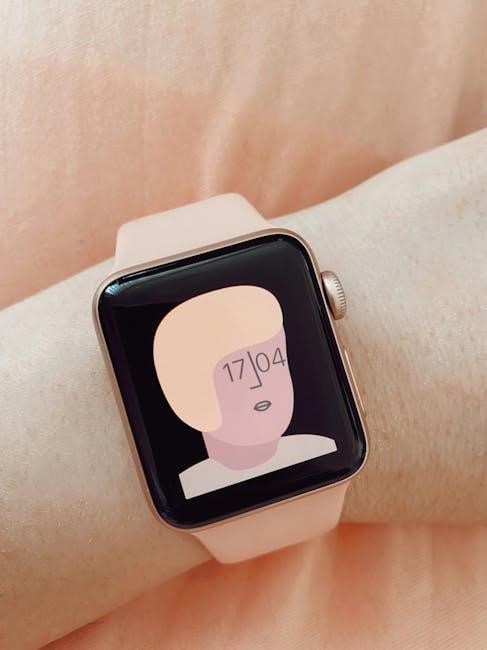
Authorized retailers offer a convenient alternative to Apple Stores for exploring Apple Watch sizes and finding the right fit for your wrist. While the level of expertise may vary, many retailers stock a selection of models and band options for trying on.
Look for retailers with knowledgeable staff who can assist with basic measurements and answer questions about compatibility. It’s beneficial to inquire about return policies before purchasing, allowing for adjustments if the initial size isn’t perfect. Check retailer websites for available stock.
Online Purchase Considerations
Buying an Apple Watch online requires careful consideration, particularly regarding size and fit for your wrist. Without the ability to try it on, accurate self-measurement is crucial. Utilize the measuring guides provided by Apple and compare your wrist circumference to the recommended sizes.
Pay close attention to return policies; a generous return window allows for exchanges if the chosen size proves unsuitable. Read customer reviews for insights into sizing experiences. Consider purchasing bands separately to experiment with different looks and ensure a comfortable fit.