

Article Plan: Vertebrate Life 11th Edition PDF Free Download
This article details accessing the 11th edition of “Vertebrate Life,” exploring its content, features, and legal download options, while cautioning against risks.
We’ll cover the book’s scope—anatomy, physiology, ecology, and behavior— alongside its updated illustrations and publisher details from Sinauer Associates/Oxford University Press.
Furthermore, we’ll discuss ISBNs (0197558623 & 978-0197558621), alternative legal access, and the impact of this widely-used textbook for students and researchers.
Vertebrate Life, in its 11th edition, stands as a cornerstone text for students and researchers delving into the fascinating world of animals possessing backbones. This comprehensive resource meticulously explores the intricate interplay between anatomy, physiology, ecology, and behavior – the very elements that define how vertebrates effectively function within their diverse environments.
The book doesn’t simply present facts; it weaves a narrative demonstrating how these core disciplines are interconnected. Understanding a vertebrate requires appreciating not only its physical structure but also how its body works, its interactions with the ecosystem, and the behaviors that ensure its survival. This holistic approach distinguishes Vertebrate Life and makes it invaluable.
From the smallest fish to the largest mammals, the text provides a detailed examination of the major vertebrate groups, offering insights into their evolutionary history and adaptations. It’s a journey through the animal kingdom, presented with clarity and scientific rigor, making complex concepts accessible to a wide audience.
About the 11th Edition

The 11th edition of Vertebrate Life represents a significant update to an already highly-regarded textbook, building upon decades of established excellence. Released in 2022, this iteration incorporates the latest research and discoveries in vertebrate biology, ensuring students have access to the most current understanding of the field.
A key feature of this edition is its extensive visual component, boasting over 2,000 illustrations, with more than 800 being entirely new. Existing figures have also undergone thorough revision, including the introduction of layered figures designed to enhance comprehension of complex anatomical and physiological concepts.
This edition maintains the book’s commitment to a holistic approach, while refining its presentation and expanding its coverage of emerging topics. It continues to distill essential information from diverse areas of study, offering a cohesive and insightful exploration of vertebrate life.
Key Authors and Contributors
Vertebrate Life’s 11th edition benefits from the expertise of a dedicated team of authors, ensuring a comprehensive and authoritative presentation of the subject matter. The primary author, F. Harvey Pough, laid the foundational groundwork for this influential text over many editions.
Joining Pough are key contributors William E. Bemis and Betty Anne McGuire, each bringing specialized knowledge to enhance the book’s scope and depth. Christine M. Janis also plays a crucial role, contributing her expertise to refine and update the content.
This collaborative effort guarantees a balanced perspective, integrating insights from various disciplines within vertebrate biology. Their combined experience and dedication to scholarship have solidified Vertebrate Life as a cornerstone resource for students and researchers alike, continually evolving with the field.
Core Themes and Scope of the Book
Vertebrate Life centers on the intricate interplay between anatomy, physiology, ecology, and behavior in vertebrates. It explores how these elements combine to enable effective functioning within diverse environments. A core theme is adaptation – how vertebrates have evolved to thrive in specific ecological niches.
The book’s scope is remarkably broad, encompassing all major vertebrate groups, from fishes to mammals. It delves into the structural and functional characteristics of each group, alongside their evolutionary history and ecological roles.
Furthermore, it emphasizes the interconnectedness of biological systems, demonstrating how anatomical features influence physiological processes, which in turn shape behavior and ecological interactions. This holistic approach provides a comprehensive understanding of vertebrate life.
Target Audience: Students and Researchers
Vertebrate Life is primarily designed for undergraduate students in vertebrate zoology, comparative anatomy, and related fields. Its comprehensive coverage and clear explanations make it an ideal textbook for introductory courses. The book’s depth also caters to more advanced students undertaking specialized studies.
Beyond the classroom, the book serves as a valuable resource for researchers in vertebrate biology, ecology, and evolution. Its detailed information and extensive references provide a solid foundation for scientific investigations.
The text’s accessibility makes complex topics understandable for a wide range of learners, while its scientific rigor ensures its credibility among professionals. It bridges the gap between introductory learning and advanced research.
Detailed Content Coverage
Vertebrate Life meticulously explores the interplay between anatomy, physiology, ecology, and behavior in the vertebrate lineage. The book systematically covers each major vertebrate group – fishes, amphibians, reptiles, birds, and mammals – detailing their unique adaptations and evolutionary histories.
Detailed anatomical and physiological analyses reveal how vertebrate body systems function, emphasizing the relationship between structure and function. Ecological perspectives examine how vertebrates interact with their environments and each other.
Behavioral studies illuminate the diverse strategies vertebrates employ for survival and reproduction. The 11th edition distills essential information, providing a holistic understanding of vertebrate biology and its complexities.
Anatomy and Physiology of Vertebrates
This section provides a comprehensive exploration of vertebrate body plans, dissecting the intricacies of skeletal, muscular, nervous, and organ systems. Vertebrate Life details how these systems have evolved and diversified across different vertebrate classes.
Emphasis is placed on the functional morphology – the relationship between anatomical structures and their physiological roles. Readers gain insight into how vertebrates maintain homeostasis, regulate internal environments, and respond to external stimuli.
The book meticulously examines key physiological processes like respiration, circulation, digestion, and excretion, illustrating how these processes vary among vertebrate groups. It’s a foundational understanding for advanced studies in zoology and related fields.
Ecology of Vertebrate Groups
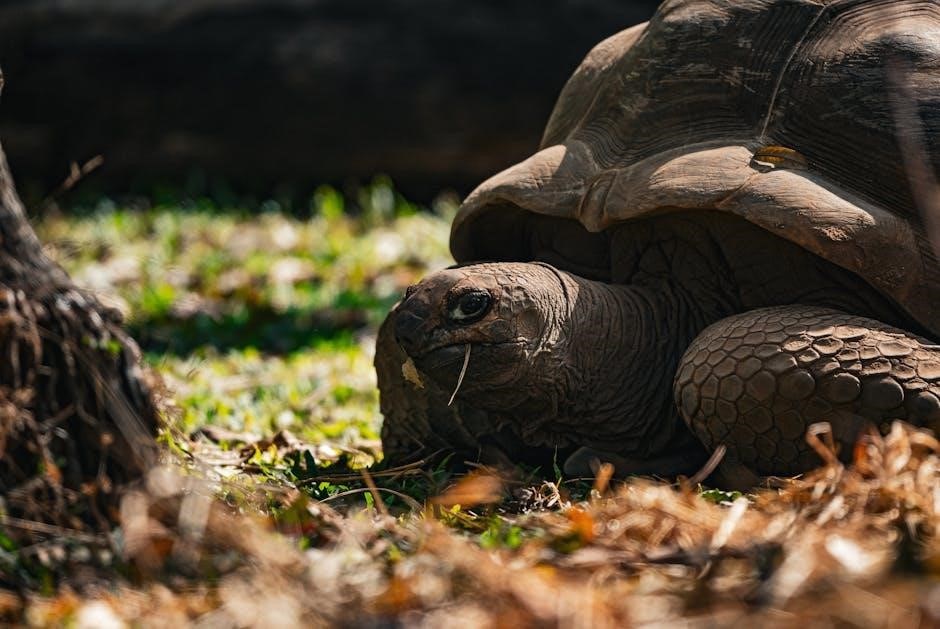
This segment delves into the ecological roles and interactions of various vertebrate classes, examining their habitats, distributions, and relationships with the environment. Vertebrate Life explores how ecological factors shape vertebrate evolution and behavior.
The book covers topics like population dynamics, community ecology, and ecosystem function, specifically within the context of vertebrate species. It details how vertebrates impact their ecosystems and are, in turn, affected by environmental changes.
Detailed analyses of feeding strategies, predator-prey relationships, and competition are presented, alongside discussions of conservation challenges facing vertebrate populations. Understanding these ecological principles is crucial for effective wildlife management.
Vertebrate Behavior and Adaptations
This section of Vertebrate Life meticulously examines the diverse behavioral strategies employed by vertebrates, linking them directly to evolutionary adaptations. It explores how behaviors enhance survival and reproductive success across different species.
The text covers a broad spectrum of behaviors, including foraging, mating systems, communication, and social interactions, providing detailed examples from fish, amphibians, reptiles, birds, and mammals;
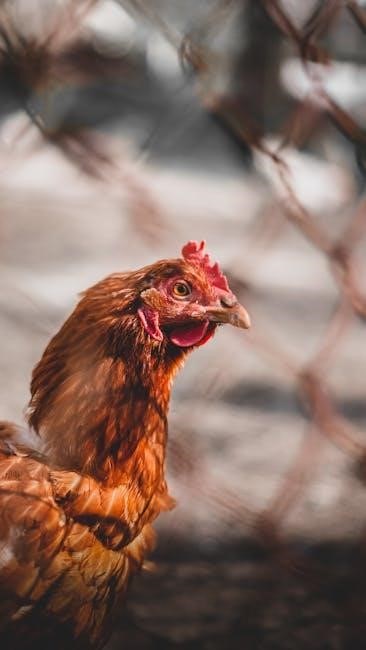
Adaptations—both morphological and physiological—are analyzed in relation to specific behavioral patterns. The book highlights how natural selection has shaped these traits to optimize performance in various ecological contexts. Understanding these connections is key to appreciating the complexity of vertebrate life.
New Features in the 11th Edition
The 11th edition of Vertebrate Life boasts substantial updates and enhancements designed to improve the learning experience and reflect current research. A significant addition is the inclusion of over 800 entirely new illustrations, supplementing the already extensive collection.
Furthermore, existing illustrations have undergone thorough revision, with many now presented as “layered figures.” These layered figures allow students to progressively reveal anatomical details and complex processes, fostering a deeper understanding.
Content has been updated throughout to incorporate the latest discoveries in vertebrate biology, ensuring the book remains at the forefront of the field. These improvements solidify Vertebrate Life’s position as a leading textbook for students and researchers alike.
Illustrations and Visual Aids
Vertebrate Life is renowned for its exceptional visual aids, and the 11th edition elevates this strength to new heights. The book features an impressive total of over 2,000 illustrations, meticulously crafted to enhance comprehension of complex biological concepts.
A key improvement is the substantial revision of existing figures, alongside the addition of more than 800 brand-new illustrations. These aren’t simply static images; many are now “layered figures,” offering an interactive learning experience.

Students can peel away layers to reveal underlying structures and processes, promoting a deeper, more intuitive grasp of vertebrate anatomy, physiology, and behavior. These visual tools are integral to the book’s effectiveness as a teaching resource.
Number of Illustrations (Over 2,000)
The 11th edition of Vertebrate Life boasts an extensive collection of over 2,000 illustrations, solidifying its reputation as a visually rich and pedagogically effective textbook. This substantial number of visuals isn’t merely for aesthetic appeal; they are strategically integrated to clarify intricate biological concepts;
These illustrations encompass a wide range of depictions, including detailed anatomical diagrams, ecological representations, behavioral observations, and phylogenetic trees. Each image is carefully designed to complement the accompanying text, reinforcing key learning objectives.
The sheer volume of visual aids ensures that students have ample opportunities to engage with the material in a dynamic and accessible manner, fostering a deeper understanding of vertebrate biology.
Revised and Layered Figures
A significant enhancement in the 11th edition of Vertebrate Life lies in its extensively revised and layered figures. Beyond simply increasing the total number of illustrations, the authors and publishers focused on improving the clarity and pedagogical effectiveness of existing visuals.
Layered figures, in particular, represent a novel approach to visual learning. These complex diagrams allow students to progressively reveal different anatomical structures or ecological components, building comprehension step-by-step.
This interactive element promotes active learning and facilitates a more nuanced understanding of vertebrate anatomy and physiology. Over 800 illustrations are new, while the remaining have undergone meticulous revision, ensuring accuracy and visual appeal.
ISBN and Publication Details
Identifying the correct edition is crucial when seeking resources for study or purchase. The 11th edition of Vertebrate Life is uniquely identified by two key International Standard Book Numbers (ISBNs).
The ISBN-10 is 0197558623, while the more current ISBN-13 is 978-0197558621. These numbers serve as precise identifiers for this specific version of the textbook, ensuring you obtain the correct content.
Published by Sinauer Associates, an imprint of Oxford University Press, the book benefits from the established reputation and quality control of these academic publishers. Publication details confirm its release in 2022, reflecting the most up-to-date research and information available in the field of vertebrate zoology.
ISBN-10: 0197558623
The ISBN-10, 0197558623, represents a ten-digit book identifier specifically assigned to the 11th edition of Vertebrate Life. While the ISBN-13 is now the standard, the ISBN-10 remains a valid reference point, particularly for older catalogs or library systems.
This number is vital for accurately locating the correct textbook when searching online retailers, library databases, or used book marketplaces. Utilizing the ISBN-10 ensures you are referencing the intended edition and not a previous version with potentially outdated information.
It’s a crucial element in bibliographic records and facilitates efficient book tracking and ordering. Confirming this ISBN-10 when sourcing the book, whether physical or digital, guarantees you’re accessing the content authored by Pough, Janis, Heiser, and McGuire.
ISBN-13: 978-0197558621
The ISBN-13, 978-0197558621, is the thirteen-digit identifier for the 11th edition of Vertebrate Life, serving as the current standard for book identification globally. This unique code distinguishes this specific edition from all others, including previous versions and different formats.
When searching for the book online, particularly for PDF versions, utilizing the ISBN-13 is highly recommended. It minimizes the risk of encountering incorrect or outdated editions, ensuring you access the most current content authored by Pough, Bemis, McGuire, and Janis.
This number is essential for accurate ordering and inventory management within the publishing and retail industries. Always verify the ISBN-13 before purchasing or downloading to confirm you’re obtaining the correct, authorized edition of this comprehensive vertebrate biology textbook.
Publisher Information: Sinauer Associates/Oxford University Press
Vertebrate Life is proudly published by Sinauer Associates, which operates as an imprint of the esteemed Oxford University Press. This partnership combines Sinauer’s long-standing dedication to biological sciences publishing with Oxford’s global reach and academic rigor.
Sinauer Associates has a reputation for producing high-quality textbooks focused on evolutionary biology, ecology, and zoology, making them an ideal publisher for a comprehensive work like Vertebrate Life. Oxford University Press further ensures widespread availability and distribution.

When seeking legitimate access to the 11th edition, verifying the publisher as Sinauer Associates/Oxford University Press is crucial. This confirms authenticity and supports the authors and publishers who invested in creating this valuable resource for students and researchers alike.
Availability of the PDF Version
Officially, a free PDF version of Vertebrate Life, 11th edition, is not legally offered directly by Sinauer Associates or Oxford University Press. The primary method of access remains purchasing a physical copy or utilizing licensed digital versions through approved platforms.
Numerous websites claim to offer “free downloads,” but these are often unauthorized and pose significant risks (detailed later). Legitimate digital access typically requires a purchase or institutional subscription.
Students enrolled in courses utilizing the textbook may find PDF access provided through their learning management systems or library resources. Always prioritize official channels to ensure a legal and safe download experience, supporting the authors’ work and avoiding potential malware.
Legality and Ethical Considerations of Free Downloads
Downloading a PDF of Vertebrate Life, 11th edition, from unofficial sources is a violation of copyright law. This infringes upon the rights of the authors, publisher (Sinauer Associates/Oxford University Press), and potentially impacts future editions.
Ethically, accessing copyrighted material without payment undermines the academic publishing ecosystem and the hard work invested in creating comprehensive textbooks like this one. Supporting authors through legitimate purchases ensures continued research and quality content.
Furthermore, such downloads often contribute to websites hosting malware and viruses, posing a security risk to your devices. Choosing legal alternatives demonstrates respect for intellectual property and protects your digital wellbeing.
Potential Risks of Downloading from Unofficial Sources
Seeking a free PDF of Vertebrate Life, 11th edition, from unverified websites carries significant risks. These sites frequently harbor malware, viruses, and spyware, potentially compromising your computer and personal data.
Downloaded files may contain hidden malicious code designed to steal information, encrypt your files for ransom (ransomware), or use your device for botnet activities. Even seemingly legitimate-looking files can be infected.
Furthermore, the quality of illegally obtained PDFs is often poor, with missing pages, distorted images, or unreadable text. You risk wasting time on a corrupted or incomplete version.
These sources also lack the updated content and revisions found in legally purchased copies, potentially hindering your studies. Prioritize safety and reliability by opting for legitimate access methods.
Alternative Legal Access Options
While a free PDF download may be tempting, several legal avenues provide access to Vertebrate Life, 11th edition. Purchasing the book directly online from retailers like Amazon or the Oxford University Press website guarantees a legitimate, high-quality copy.
Many university and college libraries stock the textbook, offering students access through their institutional resources. If your library doesn’t own it, explore interlibrary loan options—a service allowing you to borrow from other libraries.
Consider digital rental options, providing temporary access to the e-book at a reduced cost. Oxford University Press may also offer subscription-based access to their online learning platforms.
These legal methods support the authors and publishers, ensuring continued production of valuable academic resources, and protect you from the risks associated with unofficial downloads.
Purchasing the Book Online
Acquiring Vertebrate Life, 11th edition, online is a straightforward and secure method. Major online retailers, such as Amazon, Barnes & Noble, and directly from Oxford University Press, consistently offer the textbook for sale.
Prices may vary depending on the format— hardcover, paperback, or e-book—and the retailer. Comparing prices across platforms is advisable to secure the best deal. New copies typically range in price, while used copies can offer significant savings.
Digital versions, like e-books, provide instant access and portability, often compatible with various devices. Ensure the website is reputable and offers secure payment options before completing your purchase.
Purchasing directly from Oxford University Press may include additional resources or benefits, such as access to supplementary materials or online support.
Library Access and Interlibrary Loan
For students and researchers seeking cost-effective access, university and public libraries represent valuable resources. Many academic libraries maintain copies of Vertebrate Life, 11th edition, within their collections, allowing on-site study.
If your local library doesn’t possess the book, the interlibrary loan (ILL) service provides a solution. ILL enables you to request the book from another library, which will then be shipped to your local branch for temporary use.
This service is typically free of charge, though potential shipping costs or minor fees may apply depending on the library’s policies. The availability and loan period will vary.
Checking your library’s online catalog or consulting with a librarian is the first step to determine availability and initiate an ILL request. This is a legal and ethical alternative to unofficial downloads.
Review of the Book’s Strengths
Vertebrate Life, 11th edition, consistently receives praise for its comprehensive and integrated approach to vertebrate biology. It effectively distills complex information from anatomy, physiology, ecology, and behavior, presenting it in an accessible manner for students.
A key strength lies in its emphasis on evolutionary principles, demonstrating how vertebrate characteristics have arisen and adapted over time. The book’s detailed coverage of diverse vertebrate groups—fish, amphibians, reptiles, birds, and mammals—is exceptionally thorough.
The inclusion of over 2,000 illustrations, with over 800 new or revised, significantly enhances understanding. These layered figures allow for a deeper exploration of complex anatomical structures and ecological relationships.

Reviewers highlight its ability to connect disparate fields of study, fostering a holistic understanding of vertebrate life and its interactions within ecosystems.
Comparison with Previous Editions
The 11th edition of Vertebrate Life builds significantly upon the foundation of its predecessors, representing a substantial update to the field’s core textbook. While maintaining the book’s renowned clarity and comprehensive scope, this edition incorporates the latest research and discoveries in vertebrate biology.
A major difference is the extensive revision of illustrations; over 800 are entirely new, and the remaining have been updated, including the addition of layered figures for enhanced visual learning. This represents a considerable improvement in pedagogical effectiveness.
Content has been refined to reflect current understanding of vertebrate evolution, ecology, and behavior, addressing emerging topics and incorporating new data. The 11th edition offers a more dynamic and current perspective than previous versions.
Compared to the 10th edition, the 11th provides a more integrated and visually engaging learning experience.
Impact and Reception of Vertebrate Life
Vertebrate Life has long been a cornerstone textbook for undergraduate courses in vertebrate zoology, comparative anatomy, and related fields. Its impact stems from its ability to distill complex information into an accessible and engaging format, making it a favorite among both students and instructors.
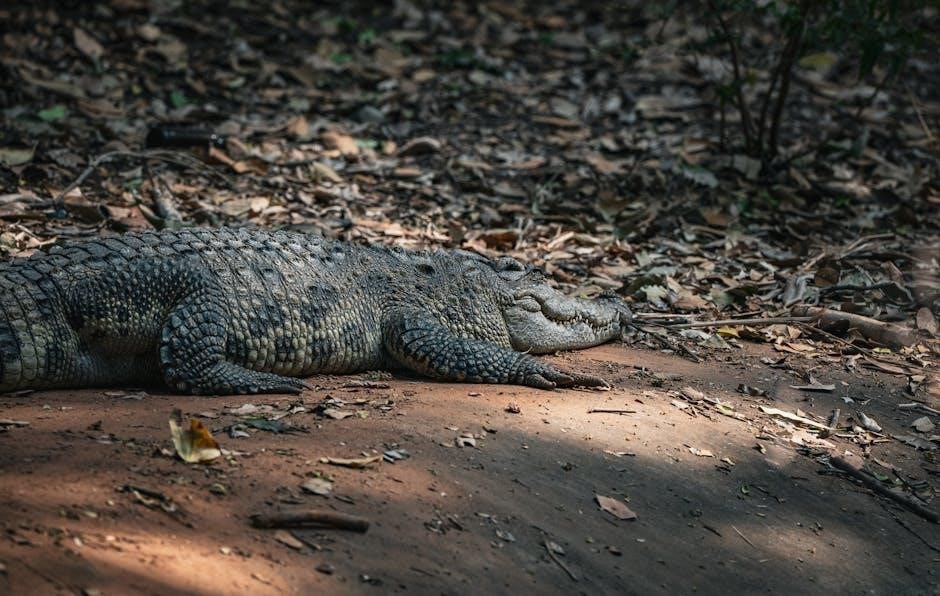
The book’s comprehensive coverage—spanning anatomy, physiology, ecology, and behavior— provides a holistic understanding of vertebrate biology. Reception has consistently been positive, with praise directed towards its clear writing style and thoroughness.
The 11th edition has continued this trend, receiving favorable reviews for its updated content and improved visual aids. It remains a highly recommended resource for anyone seeking a deep dive into the fascinating world of vertebrates.
Its enduring popularity speaks to its quality and relevance within the scientific community, solidifying its position as a leading text in the discipline.
Future Updates and Potential 12th Edition
Given the rapid advancements in vertebrate biology, a 12th edition of Vertebrate Life is highly anticipated within the academic community. Future updates will likely incorporate cutting-edge research in areas like genomics, biomechanics, and climate change impacts on vertebrate populations.
Expect continued refinement of the book’s visual elements, potentially including more interactive digital resources and expanded coverage of underrepresented vertebrate groups. The authors may also address emerging topics such as conservation genomics and disease ecology.
Maintaining the book’s accessibility while integrating new discoveries will be a key challenge. A future edition could also benefit from enhanced online learning tools to complement the printed text.
The ongoing success of Vertebrate Life suggests a continued commitment to providing students and researchers with the most current and comprehensive overview of vertebrate biology.

Where to Find More Information About the Book
For comprehensive details about Vertebrate Life (11th Edition), the official Oxford University Press website is the primary resource. Here, you’ll find the table of contents, sample chapters, and author biographies.
Sinauer Associates, an imprint of Oxford University Press, also provides information, including instructor resources and supplementary materials. University library websites often feature detailed catalog entries and access options.
Online booksellers like Amazon and Barnes & Noble offer customer reviews and additional product information. Academic forums and online study groups dedicated to vertebrate zoology can provide insights from students and professors.
Searching for “Vertebrate Life 11th Edition” on Google Scholar will yield relevant research articles and citations. Remember to prioritize official sources for accurate and reliable information.