

Subaru Impreza’s manual transmission offers a direct connection‚ enhancing driving enjoyment and control‚ frequently experiencing issues like slipping gears or unusual noises․
The Impreza’s appeal stems from its rally-inspired roots and the engaging experience a manual gearbox provides‚ attracting enthusiasts seeking a spirited drive․
Understanding its nuances is crucial for owners‚ as proper maintenance can mitigate common faults and ensure longevity of this popular drivetrain component․
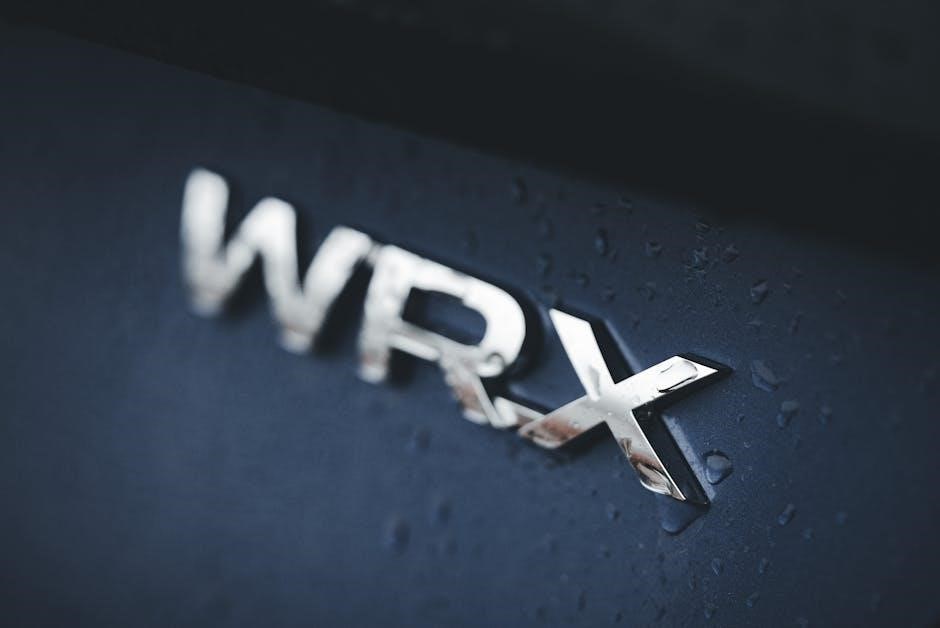
Overview of Impreza Generations with Manual Options
The first-generation Impreza (1993-2001) frequently featured a five-speed manual‚ becoming a favorite among rally enthusiasts․ Second-generation (2002-2007) models continued this trend‚ offering a refined driving experience with improved shift quality․ These earlier Imprezas often utilized transmission codes like TY754VB3AA․
The third generation (2008-2014) saw some trim levels phasing out the manual‚ but it remained available in sporty variants․ Fourth-generation (2015-2016) Imprezas maintained manual options‚ catering to drivers who preferred greater control․ The latest generation (2017-present)‚ including the 2024 model unveiled at the Los Angeles Auto Show‚ still offers a manual transmission‚ though its availability can vary by trim level and market․
Throughout these generations‚ Subaru consistently provided a manual option‚ solidifying the Impreza’s reputation as a driver-focused vehicle․
Why the Manual Transmission is Popular in Imprezas
The Subaru Impreza’s manual transmission resonates with drivers seeking a more engaging and connected driving experience․ Rooted in the car’s rally heritage‚ the manual gearbox provides superior control‚ particularly beneficial for spirited driving and navigating challenging terrains․
Enthusiasts appreciate the direct mechanical link between driver and machine‚ fostering a sense of involvement often absent in automatic transmissions․ Furthermore‚ a manual transmission typically offers better fuel efficiency and simpler mechanics‚ potentially reducing long-term maintenance costs․
The Impreza’s manual option appeals to those who enjoy the art of driving‚ allowing precise gear selection and maximizing the vehicle’s performance potential‚ contributing to its enduring popularity․
Common Subaru Impreza Manual Transmission Models
Impreza models from 2002-2007‚ 2008-2014‚ and 2015-present frequently featured manual options‚ with transmission codes like TY754VB3AA being prevalent․
Focus on Specific Years (e․g․‚ 2002-2007‚ 2008-2014‚ 2015-Present)
2002-2007 Impreza models often utilized the TY754VB3AA transmission‚ known for its relative durability but susceptible to synchro wear over time․ Drivers frequently reported delayed shifting as mileage increased․
The 2008-2014 generation saw refinements‚ though similar transmission codes persisted․ Clutch life became a common concern‚ with owners noting premature wear‚ especially with spirited driving․
2015-Present Imprezas continued offering manual options‚ incorporating updated designs․ While generally more reliable‚ reports of rough shifting and occasional gear noise still surfaced․ Regular fluid checks are vital for these newer models․ Identifying specific transmission variations within these ranges requires checking the vehicle’s VIN and transmission casing markings․
Transmission Codes and Identification (e․g․‚ TY754VB3AA)
Subaru Impreza manual transmissions are identified by specific codes stamped onto the casing‚ crucial for parts sourcing and repair information․ TY754VB3AA is a common code found in earlier models (2002-2007)‚ indicating a specific gearbox variant․
Later Imprezas may feature codes like TY856VL3AA or variations thereof․ These codes denote internal gear ratios‚ housing differences‚ and compatibility with specific engine types․
Locating the code typically involves inspecting the transmission housing‚ often near the bellhousing or on a metal tag․ Accurate identification is vital when ordering replacement parts‚ ensuring proper fitment and functionality․ Online Subaru parts databases utilize these codes for precise component matching․

Subaru Impreza Manual Transmission Issues & Faults

Impreza manual transmissions can exhibit delayed shifting‚ grinding noises‚ or slipping gears‚ signaling internal wear or fluid deficiencies requiring prompt attention․
These faults diminish driving experience and potentially lead to more extensive‚ costly repairs if left unaddressed․
Delayed or Rough Gear Shifting
Delayed engagement when selecting a gear‚ or a generally rough shifting feel within a Subaru Impreza’s manual transmission‚ are common indicators of underlying issues․ This often manifests as difficulty smoothly transitioning between gears‚ requiring excessive force or double-clutching to achieve a successful shift․
Several factors can contribute to this problem․ Low or degraded transmission fluid is a primary suspect‚ as it reduces lubrication and hydraulic pressure needed for smooth operation․ Worn synchronizers‚ responsible for matching gear speeds‚ also cause grinding and difficulty engaging gears․ Internal damage to the shift forks or selector rods can further exacerbate the issue‚ preventing complete gear engagement․
Ignoring these symptoms can lead to more significant damage‚ potentially requiring a complete transmission rebuild or replacement․ Early diagnosis and repair are crucial to maintaining the drivability and value of your Impreza․
Unusual Noises (Grinding‚ Whining‚ Clunking)
Unusual sounds emanating from the manual transmission of a Subaru Impreza often signal internal problems․ Grinding noises‚ particularly during gear changes‚ typically indicate worn synchronizers failing to properly mesh the gears․ A persistent whining sound can suggest low transmission fluid or worn bearings within the gearbox․
Clunking noises‚ especially when shifting into or out of gear‚ may point to excessive play in the differential or damaged shift linkage․ These sounds shouldn’t be ignored‚ as they often worsen over time․ Ignoring these noises can lead to catastrophic failure․
Accurate diagnosis is vital; a qualified mechanic can pinpoint the source of the noise and recommend appropriate repairs‚ preventing further damage and ensuring safe operation․
Slipping Gears
Slipping gears in a Subaru Impreza manual transmission manifest as the engine revving without a corresponding increase in vehicle speed․ This indicates the clutch isn’t fully engaging or that internal transmission components are worn․ Often‚ a worn clutch disc is the primary culprit‚ unable to maintain a firm connection with the flywheel․
However‚ slipping can also stem from damaged synchronizers or worn gear teeth within the gearbox itself․ Ignoring this issue can lead to complete transmission failure and costly repairs․ A thorough inspection of both the clutch system and the transmission internals is crucial․
Prompt attention to slipping gears is essential for maintaining drivability and preventing further damage to the transmission․

Causes of Subaru Impreza Manual Transmission Problems
Low fluid levels‚ worn clutch components‚ and synchro mesh issues are primary culprits behind Subaru Impreza manual transmission failures‚ impacting performance․
Neglecting maintenance and aggressive driving habits can accelerate wear‚ leading to costly repairs and diminished driving experience․
Low Transmission Fluid Levels
Transmission fluid is vital for lubricating gears‚ synchronizers‚ and bearings within the Subaru Impreza manual gearbox‚ reducing friction and wear․ Low fluid levels compromise this lubrication‚ causing increased heat and accelerated component degradation; This often manifests as difficulty shifting‚ particularly into specific gears‚ or a noticeable grinding sound during gear changes․
Leaks are a common cause of low fluid‚ originating from seals‚ gaskets‚ or the transmission housing itself․ Regularly checking the fluid level – using the dipstick when the transmission is warm – is crucial preventative maintenance․ Using the correct fluid type‚ specified by Subaru‚ is equally important‚ as incorrect fluids can damage internal components․ Ignoring low fluid levels can lead to catastrophic transmission failure‚ necessitating a complete rebuild or replacement․
Worn Clutch Components
Worn clutch components significantly impact the Subaru Impreza manual transmission’s performance․ The clutch disc‚ pressure plate‚ and throw-out bearing all experience wear over time with repeated engagement and disengagement․ Symptoms include a slipping clutch – where engine RPM increases without a corresponding increase in vehicle speed – and difficulty selecting gears․ A failing throw-out bearing often produces squealing or chirping noises when the clutch pedal is depressed․
Aggressive driving habits‚ frequent stop-and-go traffic‚ and towing can accelerate clutch wear․ Regular inspection of the clutch disc’s friction material is recommended during routine maintenance․ Replacing worn components as a set – disc‚ plate‚ and bearing – ensures optimal performance and prevents premature failure of other parts․ Ignoring these signs can lead to complete clutch failure‚ leaving the vehicle immobile․
Synchro Mesh Issues
Synchro mesh issues are a common source of frustration in Subaru Impreza manual transmissions․ Synchronizers‚ or “synchros‚” are responsible for matching the speed of the gears before engagement‚ allowing for smooth shifting․ When worn‚ they cause grinding noises‚ particularly when shifting into specific gears‚ often second or third․ Difficulty engaging a gear‚ or a “double-clutching” sensation‚ can also indicate synchro problems․
Aggressive shifting and infrequent transmission fluid changes contribute to synchro wear․ Internal damage to the synchro rings or sleeves prevents proper gear meshing․ Repair typically involves a gearbox rebuild‚ replacing the damaged synchronizers․ Ignoring these symptoms can lead to further damage to the gears themselves‚ escalating repair costs significantly․
Maintenance and Repair of the Subaru Impreza Manual Transmission
Regular fluid changes are vital‚ alongside clutch replacement when needed‚ and comprehensive gearbox rebuilds addressing worn synchros to maintain optimal performance․
Proactive maintenance prevents costly repairs and ensures the longevity of your Impreza’s manual transmission‚ enhancing driving pleasure․
Recommended Fluid Changes and Intervals
Maintaining the correct transmission fluid level and condition is paramount for a healthy Subaru Impreza manual transmission․ Subaru recommends using a genuine Subaru-specified gear oil‚ typically a 75W-90 grade‚ to ensure proper lubrication and synchro performance․
For normal driving conditions‚ fluid changes should be performed every 30‚000 to 60‚000 miles‚ or approximately every three to five years‚ whichever comes first․ However‚ if subjected to severe driving – including frequent towing‚ off-roading‚ or aggressive driving – shortening the interval to 30‚000 miles is advisable․
Regularly inspect the fluid for contamination or a burnt smell‚ indicating potential issues․ A simple fluid check can prevent significant damage and extend the life of your transmission․ Always follow the manufacturer’s guidelines for fluid type and change intervals․
Clutch Replacement Procedures

Clutch replacement on a Subaru Impreza requires mechanical expertise and specialized tools․ Begin by disconnecting the battery and safely supporting the vehicle․ Drain the transmission fluid before removing the driveshafts‚ shifter linkage‚ and starter․
Support the engine and transmission‚ then detach the transmission from the engine․ Carefully remove the pressure plate‚ clutch disc‚ and throw-out bearing‚ inspecting for wear․ Clean the flywheel surface and install the new components‚ ensuring proper alignment․
Reassemble in reverse order‚ torquing all bolts to specification․ Bleed the clutch hydraulic system and refill the transmission with fresh fluid․ A properly installed clutch restores smooth shifting and optimal performance․
Synchro Replacement and Gearbox Rebuilds
Synchro replacement within an Impreza’s manual gearbox is a complex task‚ often necessitating a full gearbox rebuild․ Begin by completely disassembling the transmission‚ carefully documenting gear positions and shim placements․ Inspect all gears‚ bearings‚ and shafts for wear or damage․
Remove the worn synchros using specialized tools‚ cleaning the corresponding grooves within the gears․ Install new synchros‚ ensuring proper engagement and lubrication․ Replace all seals and bearings during the rebuild process․
Reassemble the gearbox meticulously‚ adhering to factory torque specifications․ A complete rebuild addresses multiple potential issues‚ restoring smooth‚ reliable shifting performance․
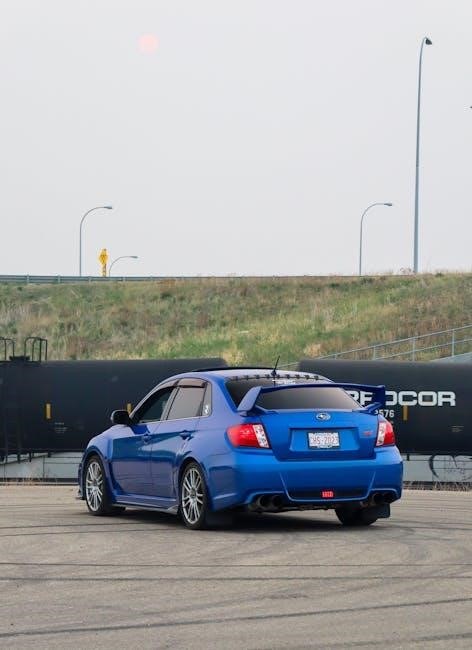
Subaru Impreza Transmission Recalls
Subaru has issued recalls affecting certain Impreza models due to transmission software glitches‚ potentially causing unexpected movements; check your VIN for updates․
These recalls aim to rectify issues impacting vehicle safety and performance‚ ensuring proper transmission operation for affected Impreza owners․
Staying informed about recall status is vital for maintaining your vehicle’s reliability and addressing potential transmission-related concerns promptly․
Details of Recent Transmission-Related Recalls
Recent Subaru recalls‚ particularly impacting the Impreza‚ have centered around potential software malfunctions within the Transmission Control Module (TCM)․ These issues‚ identified in models from 2019-2022‚ can lead to erratic shifting behavior‚ including unintended gear changes or a failure to engage certain gears‚ potentially increasing the risk of an accident․
The National Highway Traffic Safety Administration (NHTSA) reports that the problem stems from a coding error that may not correctly interpret driver input or sensor data․ Subaru is offering a free software update at authorized dealerships to address this concern․ Owners are urged to schedule an appointment as soon as possible․ The recall notice specifically mentions potential for loss of power or stalling in certain driving conditions․
It’s crucial to verify if your vehicle is affected using your Vehicle Identification Number (VIN) on the Subaru website or the NHTSA portal․
Checking for Recall Status by VIN
Determining if your Subaru Impreza is subject to any open transmission-related recalls is straightforward using your unique 17-digit Vehicle Identification Number (VIN)․ Subaru provides a dedicated recall lookup tool on their official website (subaru․com/recall) where you can input your VIN to instantly check for applicable recalls․
Alternatively‚ the National Highway Traffic Safety Administration (NHTSA) offers a similar VIN lookup service at nhtsa․gov/recalls․ Both resources provide detailed information regarding the recall‚ including a description of the issue‚ potential risks‚ and the necessary corrective actions․
Regularly checking for recalls is vital for vehicle safety and ensures any potential problems are addressed promptly by an authorized Subaru dealership‚ free of charge․ Don’t delay – a quick VIN check could save you trouble!
Upgrading the Subaru Impreza Manual Transmission
Enhance your Impreza’s manual transmission with short shifters‚ robust clutch kits‚ and limited-slip differentials for improved performance and control․
These upgrades deliver a more engaging driving experience‚ sharper shifts‚ and increased traction‚ especially beneficial for spirited driving or track use․
Carefully select components compatible with your Impreza’s model year and transmission code for optimal results and lasting reliability․
Short Shifters and Shift Knobs
Short shifters dramatically reduce the throw between gears on your Subaru Impreza‚ resulting in quicker‚ more precise shifts and a sportier feel․ They minimize wasted motion‚ allowing for faster gear changes during performance driving or simply enhancing daily driving enjoyment․
Installation typically involves replacing the factory shift linkage with a shorter component‚ often adjustable to fine-tune the shift feel to your preference․ Several reputable brands offer Impreza-specific short shifters‚ catering to various model years and transmission types․
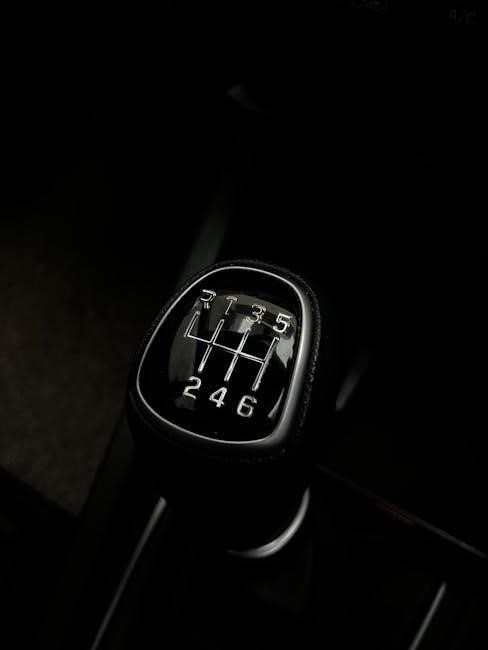
Complementing a short shifter with an aftermarket shift knob further personalizes the driving experience․ Weighted shift knobs can improve shift smoothness and reduce vibrations‚ while different materials and designs offer enhanced grip and aesthetics․ Consider the knob’s weight‚ shape‚ and material to match your driving style and preferences․
Proper installation and adjustment are crucial for optimal performance and to avoid any binding or interference with the transmission components․
Stronger Clutch Kits
For Subaru Impreza owners increasing engine power or engaging in aggressive driving‚ upgrading the factory clutch kit is often essential․ A stronger clutch prevents slippage under increased load‚ ensuring efficient power transfer to the wheels and protecting the transmission․
Aftermarket clutch kits typically feature upgraded pressure plates‚ friction discs‚ and release bearings‚ constructed from more durable materials․ These components can withstand higher torque levels and temperatures‚ improving reliability and longevity․
Clutch kits are categorized by their clamping force and driving characteristics – from mild street upgrades to full-race‚ multi-plate systems․ Selecting the appropriate kit depends on your vehicle’s modifications and intended use․
Professional installation is highly recommended‚ as proper alignment and break-in procedures are critical for optimal performance and to avoid premature wear․
Limited Slip Differentials (LSD)
Installing a Limited Slip Differential (LSD) significantly enhances the performance of a Subaru Impreza with a manual transmission‚ particularly for spirited driving and motorsports․ An LSD manages power distribution between the front wheels‚ minimizing wheelspin during acceleration and cornering․
Unlike an open differential‚ an LSD allows some degree of slip while still providing traction to both wheels‚ improving grip and stability․ Different types of LSDs – clutch-type‚ Torsen‚ and viscous – offer varying levels of locking and responsiveness․
Choosing the right LSD depends on driving style and application; clutch-type LSDs are popular for aggressive driving‚ while Torsen LSDs offer smoother operation for daily use․
Professional installation and setup are crucial for optimal performance and to avoid unwanted handling characteristics․