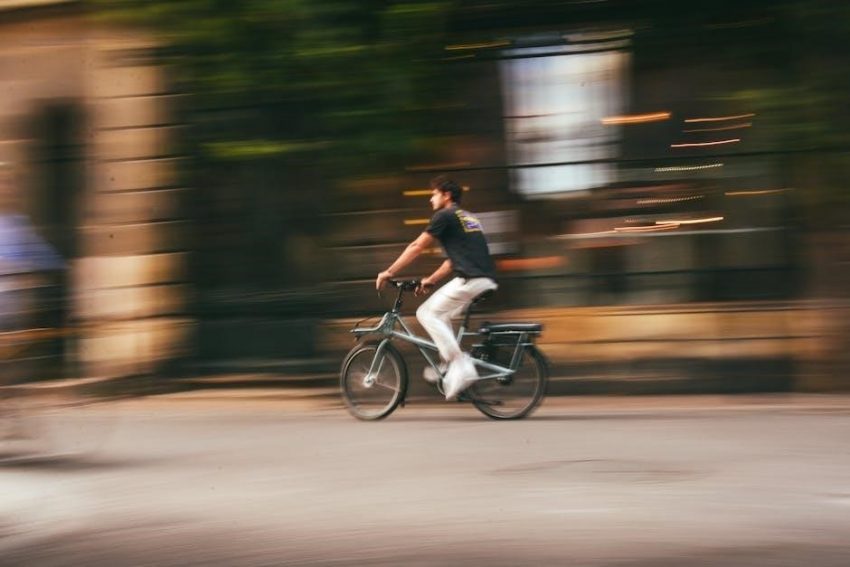
France beckons cyclists with scenic routes‚ offering freedom and flexibility through vineyards and countryside.
Enjoy immersive experiences‚ exploring charming villages at your own pace with detailed maps and information.
These self-guided tours provide unforgettable adventures‚ blending culture‚ history‚ and the joy of cycling.
The Allure of French Cycling
France possesses a unique magnetism for cyclists‚ stemming from its diverse landscapes and rich cultural heritage. Imagine pedaling past majestic châteaux in the Loire Valley‚ or amidst the fragrant lavender fields of Provence – experiences that deeply resonate with the soul.
The country’s relatively flat terrain in many regions‚ coupled with well-maintained cycling paths‚ makes it accessible for various fitness levels. Beyond the scenery‚ French cycling offers a chance to connect with local life‚ savoring regional cuisine and wines along the way.
The allure extends to the freedom of self-guided tours‚ allowing exploration at your own rhythm‚ discovering hidden gems beyond typical tourist trails. It’s a journey that blends physical activity with cultural immersion‚ creating lasting memories. The very idea stirs the imagination‚ promising an idyllic escape.
Why Choose Self-Guided Over Guided Tours?
Self-guided bike tours in France offer unparalleled freedom and personalization‚ a stark contrast to the structured nature of guided excursions. You dictate the pace‚ choosing when to linger at a charming village or enjoy a leisurely picnic amidst vineyards.
This independence fosters a deeper connection with the surroundings‚ encouraging spontaneous discoveries and authentic interactions with locals. While guided tours provide convenience‚ they often lack the flexibility to cater to individual preferences.
Furthermore‚ self-guided tours can often be more cost-effective‚ as you have greater control over accommodation and dining choices. You’re empowered to create a truly bespoke adventure‚ tailored to your fitness level and interests‚ riding at your own pace through the French countryside.
Popular Regions for Cycling in France
France boasts diverse cycling landscapes‚ from the Loire Valley’s castles to Provence’s lavender fields and Burgundy’s wine routes.
Explore Alsace’s picturesque vineyards or Bordeaux & Dordogne’s history!
Loire Valley: Castles and Vineyards
The Loire Valley presents a captivating experience for self-guided bike tours‚ seamlessly blending majestic châteaux with rolling vineyards. Imagine cycling past iconic landmarks like Chambord‚ Chenonceau‚ and Villandry‚ each telling tales of French royalty and history.
The relatively flat terrain makes it ideal for cyclists of varying fitness levels‚ allowing you to comfortably explore the region’s hidden gems. Routes often meander along the Loire River‚ offering picturesque views and charming riverside towns.
Wine enthusiasts will delight in the opportunity to sample local vintages directly from the source‚ with numerous wineries offering tastings along the way. Consider a multi-day tour‚ allowing ample time to immerse yourself in the valley’s beauty and indulge in its culinary delights. This region truly embodies the allure of French cycling!
Provence: Lavender Fields and Charming Villages
Provence offers a sensory feast for cyclists embarking on self-guided tours‚ renowned for its fragrant lavender fields and idyllic villages. Picture yourself pedaling through sun-drenched landscapes‚ the air filled with the scent of lavender and herbs.
Explore charming towns like Gordes‚ Roussillon‚ and Saint-Rémy-de-Provence‚ each boasting unique character and local markets brimming with Provençal products. The terrain varies‚ offering both gentle slopes and more challenging climbs‚ catering to diverse fitness levels.
Routes often lead through vineyards and olive groves‚ providing opportunities for wine and olive oil tastings. Summer is peak lavender season‚ creating a breathtaking spectacle‚ but spring and autumn offer pleasant temperatures and fewer crowds. A Provençal cycling adventure is an unforgettable journey!
Burgundy: Wine Route Adventures
Burgundy is a paradise for cyclists and wine enthusiasts‚ offering exceptional self-guided bike tours along its famed wine route. Imagine cycling through rolling hills covered in vineyards‚ stopping at prestigious wineries for tastings of world-class Pinot Noir and Chardonnay.
The region’s network of quiet country roads and dedicated bike paths makes it ideal for leisurely exploration. Discover historic towns like Beaune‚ the wine capital‚ and Chalon-sur-Saône‚ with its charming canals and architecture.
Routes often follow the Canal de Bourgogne‚ providing flat‚ scenic stretches. A four-night cycling portion can cost around 700 euros for two people‚ including accommodation and bike rental. Burgundy promises a delightful blend of cycling‚ gastronomy‚ and cultural immersion.
Alsace: Picturesque Wine Route
Alsace’s Wine Route is a captivating destination for self-guided bike tours‚ renowned for its fairytale villages‚ vineyards‚ and distinctive Franco-Germanic culture. Cycle along gentle slopes‚ passing half-timbered houses adorned with flower boxes and sampling aromatic Riesling and Gewürztraminer wines.
The route winds through picturesque towns like Riquewihr‚ Eguisheim‚ and Colmar‚ each offering unique charm and culinary delights. Explore medieval castles perched on hillsides and enjoy breathtaking views of the Vosges Mountains.
Alsace by Bike tours are particularly popular‚ providing well-planned itineraries and luggage transfers. This region offers a relatively flat terrain‚ making it accessible for cyclists of varying fitness levels. Prepare for an unforgettable journey through one of France’s most beautiful regions.
Bordeaux & Dordogne: Wine and History
Bordeaux & Dordogne offer a compelling blend of world-class wine and rich history‚ ideal for self-guided bike tours. Cycle through prestigious vineyards‚ sampling renowned Bordeaux wines and discovering the art of winemaking. Explore the medieval towns and prehistoric caves of the Dordogne Valley.
The region boasts a diverse landscape‚ from rolling hills covered in vines to dramatic cliffs overlooking the Dordogne River. Discover charming villages like Sarlat-la-Canéda and Beynac-et-Cazenac‚ steeped in history and architectural beauty.
Bike tours often connect Bordeaux to Toulouse‚ providing a longer adventure. Expect moderate climbs and rewarding descents. This area provides a unique opportunity to combine cycling with cultural immersion and gastronomic experiences.
Planning Your Self-Guided Bike Tour
Careful planning is key for a successful French cycling adventure! Assess your fitness‚ choose a suitable tour length‚ and utilize available route planning resources for optimal enjoyment.
Determining Your Fitness Level and Tour Length
Embarking on a self-guided bike tour in France requires honest self-assessment of your current fitness level. Consider how frequently you cycle and the typical distances you comfortably cover. A leisurely pace through the Loire Valley demands less stamina than tackling the hills of Burgundy.
Beginner cyclists should opt for shorter tours – perhaps 3 to 4 days – with relatively flat terrain and manageable daily distances (around 25-35 miles). Intermediate riders can comfortably handle 5-7 day tours with varied landscapes and 40-50 mile daily rides. Experienced cyclists might relish longer‚ more challenging itineraries exceeding 50 miles per day.
Don’t overestimate your abilities! It’s better to start with a shorter‚ easier tour and gradually increase the difficulty on future trips. Remember to factor in rest days to avoid fatigue and fully appreciate the beauty of France.
Best Time of Year to Cycle in France
Spring (April-June) and Autumn (September-October) represent the ideal seasons for self-guided bike tours in France. During these months‚ you’ll encounter pleasant temperatures‚ fewer crowds‚ and stunning scenery. Spring showcases blossoming landscapes‚ while autumn offers vibrant foliage and harvest festivals.
Summer (July-August) can be exceptionally hot‚ particularly in Provence and the Rhône Valley‚ making cycling strenuous. Tourist destinations are also at their busiest. However‚ longer daylight hours are a plus.
Winter (November-March) is generally not recommended due to cold temperatures‚ potential rainfall‚ and limited services in some regions. Consider regional variations; the French Riviera enjoys milder winters. Ultimately‚ the “best” time depends on your preferences and the specific region you plan to explore.
Route Planning Resources & Tools
Planning a self-guided bike tour in France requires reliable resources. Komoot and Ride with GPS are popular apps offering detailed maps‚ elevation profiles‚ and route creation tools. These platforms often include user-submitted routes and points of interest.
France Vélo Tourisme provides official cycling route information‚ including Voies Vertes (greenways) – traffic-free paths ideal for leisurely rides. Michelin maps are also invaluable‚ offering comprehensive coverage and clarity.
Websites specializing in French cycling tours‚ like those mentioned in recent articles‚ frequently offer downloadable GPX files for pre-planned routes. Don’t underestimate the power of local tourist offices; they can provide regional maps and advice. Combining digital tools with traditional maps ensures a well-prepared and enjoyable journey.
Budgeting for Your French Bike Tour
Self-guided tours require careful budgeting‚ encompassing accommodation‚ bike rental‚ food‚ and transport.
Expect costs around 700 euros for a four-night trip‚ depending on choices and region.
Planning ensures an affordable and enjoyable French cycling adventure;
Estimated Costs: Accommodation
Accommodation costs for a self-guided bike tour in France vary significantly based on your preferences and chosen regions. Expect a range from budget-friendly options to luxurious stays.
Generally‚ you can anticipate spending between €50 to €150 per night.
Hotels typically fall in the higher end of this range‚ offering convenience and amenities.
Gîtes (rural self-catering cottages) and Chambres d’Hôtes (bed and breakfasts) provide more affordable and authentic experiences‚ often costing between €40 and €80 per night.
Booking platforms like Booking.com or Airbnb offer a wide selection and price comparisons.
Consider booking in advance‚ especially during peak season‚ to secure the best rates and availability.
Rural areas generally offer lower prices than popular tourist destinations.
Remember to factor in potential variations based on location and season when planning your budget.
Estimated Costs: Bike Rental
Bike rental is a significant cost component of a self-guided tour in France‚ with prices varying based on bike type and rental duration.
Expect to pay approximately €20 to €50 per day for a standard hybrid or road bike.
E-bikes‚ offering assistance on hills‚ are considerably more expensive‚ ranging from €40 to €80+ per day.
Weekly rentals often provide discounted rates.
Reputable rental companies offer various models to suit different fitness levels and terrain.
Consider including insurance coverage for potential damage or theft.
Some tour operators bundle bike rental with accommodation and route planning.
Factor in potential costs for accessories like helmets‚ panniers‚ and repair kits.
Booking in advance‚ especially during peak season‚ is highly recommended to ensure availability and secure the best price.
Estimated Costs: Food and Drink
Food and drink expenses on a self-guided bike tour in France can vary widely depending on your dining preferences.
Budget approximately €30 to €60 per day per person for a mix of café lunches‚ picnic supplies‚ and restaurant dinners.
Enjoying local markets for fresh produce and cheeses can significantly reduce costs.
Wine‚ a staple of French cuisine‚ adds to the expense‚ with bottles ranging from €10 to €50+.
Consider self-catering some meals if staying in accommodations with kitchen facilities.
Allow for occasional splurges on gourmet experiences or regional specialties.
Don’t forget to factor in the cost of water and snacks to stay hydrated and energized during your rides.
Picnics amidst vineyards or charming villages offer a cost-effective and memorable dining experience.
Remember to indulge in local pastries and delicacies!
Estimated Costs: Transportation (to/from France & within)
Transportation costs represent a significant portion of your self-guided bike tour budget in France.
Round-trip flights can range from €200 to €800+‚ depending on your origin and time of year.
Within France‚ consider train travel for longer distances between regions‚ costing approximately €50 to €150 per journey.
Local buses or trams are affordable options for navigating cities‚ typically costing a few euros per ride.
If your tour doesn’t include luggage transfers‚ factor in the cost of transporting your bags between accommodations.
Airport transfers can add €20 to €50 each way.
Some tours include train station pick-ups‚ simplifying logistics.
Remember to account for potential taxi fares for short distances.
Booking transportation in advance can often secure better rates.
Bike Rental Options in France
France offers diverse bike choices: road bikes for speed‚ hybrids for comfort‚ and e-bikes for assistance.
Reputable companies provide quality rentals and support for your self-guided tour.
Types of Bikes Available (Road‚ Hybrid‚ E-bikes)
France caters to all cycling preferences with a wide array of bike types available for rent. Road bikes are ideal for experienced cyclists seeking speed and efficiency on paved surfaces‚ perfect for tackling challenging routes and covering long distances quickly.
Hybrid bikes offer a comfortable middle ground‚ combining features of both road and mountain bikes‚ making them versatile for varied terrain – think quiet country roads and gentle gravel paths. They provide a more upright riding position for enhanced visibility and comfort during longer self-guided tours.
For those desiring assistance‚ e-bikes (electric bikes) are a fantastic option. They provide pedal assistance‚ making hills easier to conquer and extending your range‚ allowing you to enjoy the scenery without excessive exertion. E-bikes are particularly popular in regions like the Loire Valley and Provence‚ where undulating landscapes are common. Choosing the right bike ensures a pleasurable and fulfilling cycling experience throughout France.
Reputable Bike Rental Companies
Several companies specialize in bike rentals for self-guided tours in France‚ offering quality equipment and logistical support. France Bike is a well-established provider‚ known for its diverse fleet and delivery services to various starting points across the country. They cater to all levels‚ offering road‚ hybrid‚ and e-bikes.
Bike Hire France provides a similar range of options‚ with a focus on customer service and detailed route advice. Another excellent choice is Pure Adventures‚ which combines bike rental with pre-planned itineraries and luggage transfer services‚ simplifying your tour logistics.
When selecting a company‚ consider factors like bike quality‚ rental duration‚ delivery/collection options‚ and included accessories (helmets‚ repair kits). Reading online reviews and comparing prices is crucial to ensure a smooth and enjoyable cycling experience throughout France. Booking in advance‚ especially during peak season‚ is highly recommended.
Accommodation Choices
France offers diverse lodging: charming hotels‚ cozy gîtes (rural cottages)‚ and welcoming chambres d’hôtes (bed and breakfasts).
Booking platforms simplify reservations‚ considering location and amenities for a comfortable stay.
Hotels vs. Gîtes vs. Chambres d’Hôtes
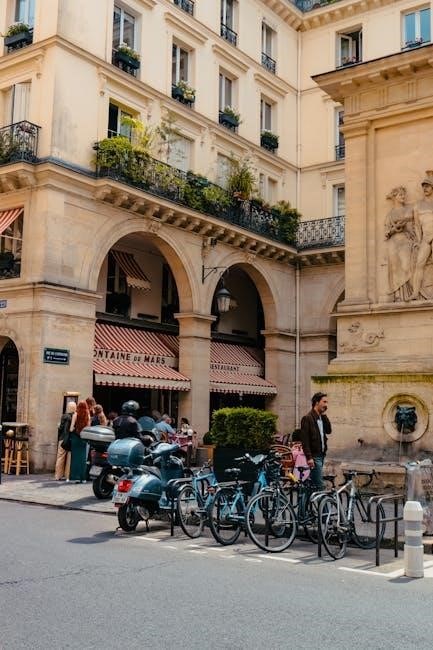
Choosing accommodation significantly impacts your self-guided bike tour experience in France. Hotels provide familiar comforts and services‚ often located centrally in towns‚ offering convenience after a day of cycling. However‚ they can be the most expensive option.
Gîtes are self-catering cottages‚ ideal for families or those desiring independence. They feature kitchens‚ allowing you to prepare meals with local market finds‚ and often offer more space and privacy. Expect a more rural setting.
Chambres d’hôtes‚ or bed and breakfasts‚ present a unique cultural immersion. You’ll stay in a local’s home‚ enjoying a personal touch and often a homemade breakfast. This option provides opportunities for interaction and insider tips‚ enhancing your journey. Consider your priorities – convenience‚ independence‚ or cultural exchange – when selecting your lodging.
Booking Platforms and Considerations
Several platforms simplify booking accommodation for your self-guided bike tour in France; Booking.com and Expedia offer extensive hotel selections‚ while Airbnb features gîtes and unique stays. Gîtes de France specializes in rural cottages‚ ensuring quality and authenticity.
When booking‚ consider proximity to your cycling route and luggage transfer services. Read reviews carefully‚ paying attention to cyclist-specific comments regarding bike storage or early breakfast availability.
Advance booking is crucial‚ especially during peak season (May-September). Flexibility is key; consider options with free cancellation policies. Confirm check-in procedures‚ particularly if arriving late after a long ride. Don’t hesitate to contact accommodations directly with specific requests or questions regarding your cycling needs.
Essential Gear and Packing List
Pack cycling apparel‚ a repair kit‚ and essential tools for your French bike tour.
Prioritize comfort and functionality‚ ensuring preparedness for unexpected mechanical issues along scenic routes.
Cycling Apparel
Choosing the right cycling apparel is crucial for comfort and performance on your self-guided French adventure. Invest in padded cycling shorts to minimize discomfort during long days in the saddle‚ and moisture-wicking jerseys to stay cool and dry.
Layering is key‚ as French weather can be unpredictable; pack a lightweight waterproof jacket and arm warmers. Cycling gloves provide grip and cushioning‚ while a comfortable cycling helmet is non-negotiable for safety. Don’t forget cycling socks designed to prevent blisters!
Consider bringing cycling shoes if you use clipless pedals‚ or comfortable athletic shoes for flat pedals. A cycling cap can shield your eyes from the sun and rain. Remember to pack a change of clothes for evenings‚ opting for lightweight and versatile options.
Repair Kit and Tools
Embarking on a self-guided tour necessitates preparedness for minor bike repairs. A basic repair kit should include a multi-tool with Allen wrenches‚ a tire lever‚ a spare inner tube (or two!)‚ and a patch kit for punctures. A mini pump or CO2 inflator is essential for re-inflating tires.
Consider carrying a chain tool and quick links for chain repairs‚ and a spoke wrench for wheel adjustments. Lubricant is vital for keeping your chain running smoothly. Don’t forget a small rag for cleaning your hands and bike.
Familiarize yourself with basic bike maintenance before your trip‚ or consider a quick workshop. Knowing how to fix a flat tire is paramount. A small first-aid kit for yourself is also recommended‚ alongside your bike repair essentials.
Navigation and Route Support
Utilize GPS devices and apps alongside detailed maps for seamless navigation.
Reliable route support ensures a stress-free journey through France’s picturesque landscapes‚ enhancing your cycling experience.
Using GPS Devices and Apps
GPS devices and smartphone applications have revolutionized self-guided bike touring in France‚ offering unparalleled navigational assistance. Several apps‚ like Komoot or Ride with GPS‚ allow pre-downloading of routes‚ ensuring offline access even in areas with limited cellular service. These platforms often feature turn-by-turn directions‚ elevation profiles‚ and points of interest‚ enriching your journey.
Dedicated GPS cycling computers provide a clear‚ handlebar-mounted display‚ minimizing the need to constantly check your phone. Ensure your device is fully charged or equipped with a power bank for longer rides. Familiarize yourself with the app or device before departure‚ practicing route loading and basic functions.
Remember that technology isn’t foolproof; always carry a physical map as a backup. Combining digital tools with traditional navigation methods provides a robust and reliable system for exploring France’s beautiful cycling routes.
Importance of Detailed Maps
Detailed maps remain crucial‚ even with advanced GPS technology‚ for successful self-guided bike tours in France. They provide a comprehensive overview of the region‚ revealing nuances often missed by digital navigation. Look for maps specifically designed for cyclists‚ highlighting bike paths‚ road surfaces‚ and elevation changes.
Paper maps serve as a reliable backup when technology fails due to battery depletion or signal loss‚ particularly in rural areas. They also encourage a deeper connection with the landscape‚ fostering a sense of exploration and discovery. Studying the map beforehand allows for identifying alternative routes‚ charming villages‚ and potential rest stops.
Combine digital and paper maps for optimal navigation‚ using the map to understand the bigger picture and the GPS for precise‚ turn-by-turn guidance. This dual approach ensures a confident and enjoyable cycling experience.