
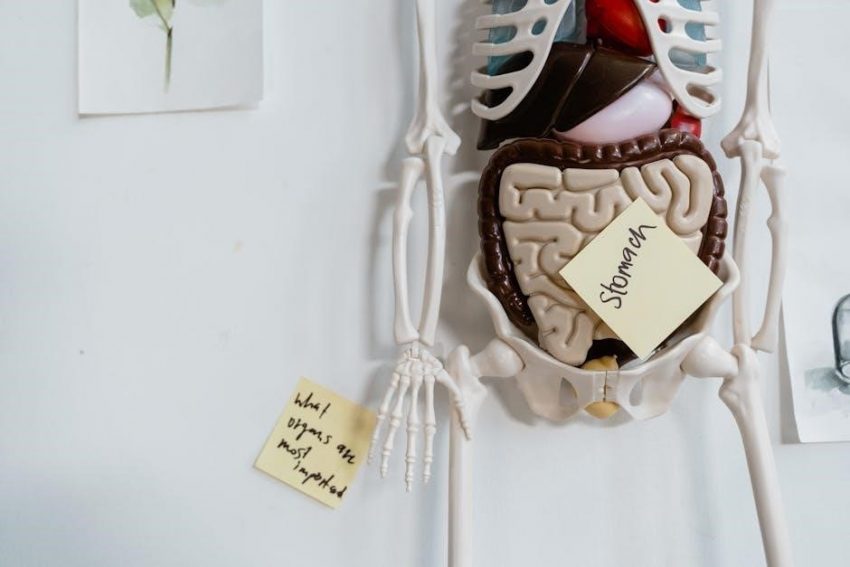
This textbook, available as a PDF, centers on a student-focused approach, comprehensively integrating anatomical and physiological concepts for effective learning․
Overview of the Textbook
The 11th edition of “Human Anatomy & Physiology” presents a thoroughly updated and remarkably comprehensive exploration of the human body․ Available in PDF format, alongside other digital resources, it’s designed for accessibility and modern learning․ This edition builds upon its established reputation, offering a detailed examination of both structure and function․
It emphasizes a student-centered approach, integrating clinical applications and real-world examples to enhance understanding․ The text is supported by a new art program and extensive supplementary materials, including online resources and study aids․ Furthermore, instructors benefit from readily available test bank information, facilitating effective assessment․ It’s a cornerstone resource for aspiring healthcare professionals․
Target Audience and Prerequisites
This textbook, often accessed as a PDF, primarily targets undergraduate students enrolled in introductory anatomy and physiology courses․ It’s ideally suited for those pursuing degrees in nursing, allied health professions – such as physical therapy and medical technology – and biology․
While a strong background in chemistry isn’t strictly required, a foundational understanding of basic chemical principles is highly recommended․ Similarly, some prior exposure to biological concepts will prove beneficial․ The text is designed to be accessible, but a commitment to diligent study and a willingness to engage with complex material are essential for success․ No specific prior anatomy or physiology coursework is typically assumed․
Key Features of the 11th Edition
The 11th edition, frequently found as a downloadable PDF, boasts a completely revamped art program, enhancing visual understanding of complex anatomical structures and physiological processes․ Updates reflect the latest discoveries and advancements in the field, ensuring students receive current, accurate information․
The text maintains its student-friendly approach with clear, concise explanations and clinical connections․ It emphasizes critical thinking skills and provides numerous opportunities for application․ Supplemental online resources, often bundled with the PDF, offer interactive exercises, practice quizzes, and additional learning materials to reinforce key concepts and aid comprehension․
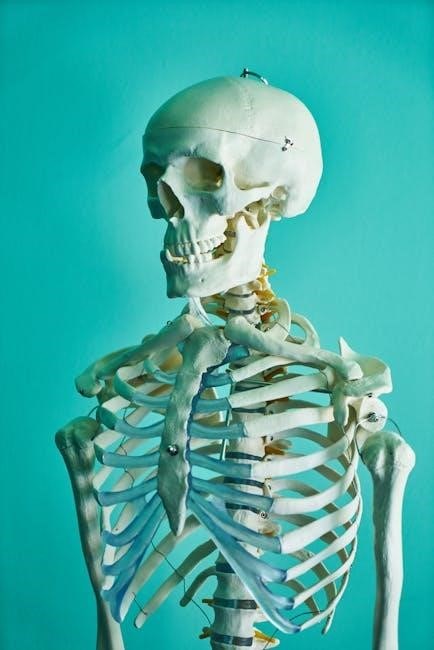
Anatomical Concepts
This section, within the 11th edition PDF, details structural organization levels, body planes, cavities, and fundamental tissue types for comprehensive study․
Levels of Structural Organization
The 11th edition’s PDF meticulously outlines the hierarchical levels crucial for understanding the human body․ It begins with chemical components – atoms and molecules – building into cellular levels, the basic structural and functional units․ These cells then form tissues, groups performing specific functions;
Organs, composed of different tissues, contribute to organ systems․ Finally, the organismal level represents the complete living being․ This structured approach, detailed within the textbook, emphasizes how each level builds upon the previous one, creating a cohesive and functional whole․ Understanding these levels is foundational for grasping complex physiological processes, as presented in the comprehensive PDF resource․
Body Planes and Directional Terms
The Human Anatomy & Physiology 11th Edition PDF clearly defines essential anatomical reference points․ It details sagittal, frontal (coronal), and transverse planes, crucial for sectioning and visualizing the body․
Directional terms like superior/inferior, anterior/posterior, medial/lateral, and proximal/distal are thoroughly explained, enabling precise communication about body structures․ The PDF utilizes diagrams and examples to solidify understanding of these concepts․ Mastery of these planes and terms is fundamental for accurately describing anatomical relationships and movements, as emphasized throughout the textbook’s detailed content․
Major Body Cavities
The Human Anatomy & Physiology 11th Edition PDF provides a detailed exploration of the body’s major cavities․ It systematically covers the dorsal cavity – encompassing the cranial and vertebral cavities – and the ventral cavity, which includes the thoracic, abdominal, and pelvic cavities․
The PDF clarifies the organs housed within each cavity and their protective functions․ It also explains the serous membranes lining these cavities and their role in reducing friction․ Visual aids and clear descriptions within the PDF help students understand the spatial relationships between organs and the importance of compartmentalization for optimal physiological function․
Basic Tissue Types
The Human Anatomy & Physiology 11th Edition PDF dedicates significant coverage to the four primary tissue types: epithelial, connective, muscle, and nervous tissue․ It details the structure, function, and location of each type, emphasizing how these tissues contribute to organ systems․
The PDF utilizes microscopic imagery and detailed descriptions to illustrate the unique characteristics of each tissue․ It explains subtypes within each category – for example, different types of connective tissue like cartilage and bone․ Students gain a foundational understanding of tissue organization and its crucial role in maintaining bodily functions, all supported by the comprehensive content within the PDF․

Physiological Processes
The 11th edition PDF explores vital processes like homeostasis, cellular function, and genetics, providing a detailed understanding of human body mechanisms․
Homeostasis and Feedback Mechanisms
The Human Anatomy & Physiology 11th Edition PDF deeply investigates the crucial concept of homeostasis – the body’s ability to maintain a stable internal environment․ This edition meticulously explains how the body achieves this balance through intricate feedback mechanisms․ Students will gain a comprehensive understanding of negative and positive feedback loops, illustrated with relevant physiological examples․
The text details how these mechanisms regulate vital parameters like body temperature, blood glucose levels, and blood pressure․ It emphasizes the interconnectedness of various body systems in maintaining homeostasis, providing a holistic view of physiological regulation․ The PDF format allows for easy access to detailed diagrams and explanations, enhancing comprehension of these complex processes․
Cellular Function and Transport
The 11th Edition PDF of Human Anatomy & Physiology provides a robust exploration of cellular function, the foundational unit of life․ It details the structure of the cell, including organelles and their specific roles, alongside a thorough examination of cellular transport mechanisms․ Students will learn about the processes that allow substances to move across the cell membrane, essential for maintaining cellular homeostasis․
This edition clarifies active and passive transport, diffusion, osmosis, and facilitated diffusion, with clear illustrations․ The PDF format facilitates focused study of these complex processes, offering detailed explanations and visual aids to enhance understanding of how cells function and interact within the body․
Membrane Transport Mechanisms
The Human Anatomy & Physiology 11th Edition PDF dedicates significant coverage to membrane transport, crucial for cellular life․ It meticulously explains how substances cross the cell membrane, detailing both passive and active transport processes․ Students gain insight into diffusion, osmosis, facilitated diffusion, and the energy-requiring mechanisms of active transport, including primary and secondary active transport․
The PDF’s clear diagrams and explanations illuminate vesicular transport – endocytosis and exocytosis – and their roles in cellular communication and material exchange․ This edition emphasizes the importance of these mechanisms in maintaining cellular homeostasis and overall bodily function, providing a comprehensive understanding for students․
The Human Anatomy & Physiology 11th Edition PDF provides a foundational understanding of genetics and DNA’s role in human biology․ It details DNA structure, gene function, and the processes of DNA replication, transcription, and translation․ Students explore how genetic information is passed from one generation to the next, impacting traits and predisposing individuals to certain conditions․
This edition clarifies the connection between genetics and physiological processes, explaining how gene expression influences cellular activity and overall body function․ The PDF utilizes visual aids to illustrate complex concepts, ensuring a clear grasp of these essential building blocks of life and heredity․
Body Systems – A Detailed Look
The 11th edition PDF comprehensively examines each body system, detailing structure, function, and interrelationships for a holistic understanding of anatomy and physiology․
The Integumentary System
The 11th edition’s coverage of the integumentary system – skin, hair, and nails – provides a detailed exploration of its crucial protective functions․ This includes barrier formation against external threats, temperature regulation, and sensory reception․ The PDF resource delves into the skin’s layers: epidermis, dermis, and hypodermis, outlining the specific structures and cell types within each․
Furthermore, it examines accessory structures like sweat and sebaceous glands, and their roles in maintaining homeostasis․ Discussions extend to wound healing processes and common skin conditions․ Students gain a thorough understanding of how this system interacts with others, impacting overall body health, all within the accessible format of the downloadable PDF․
The Skeletal System
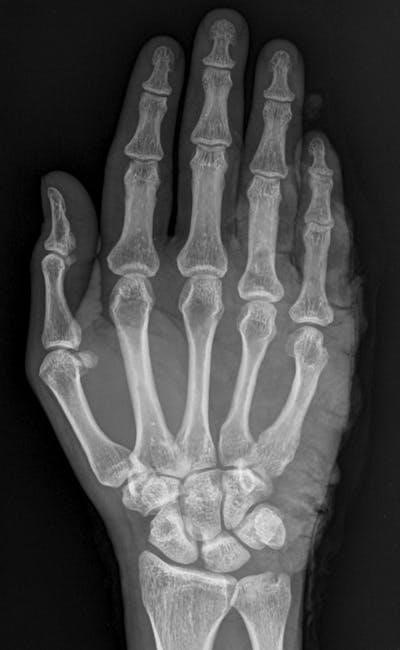
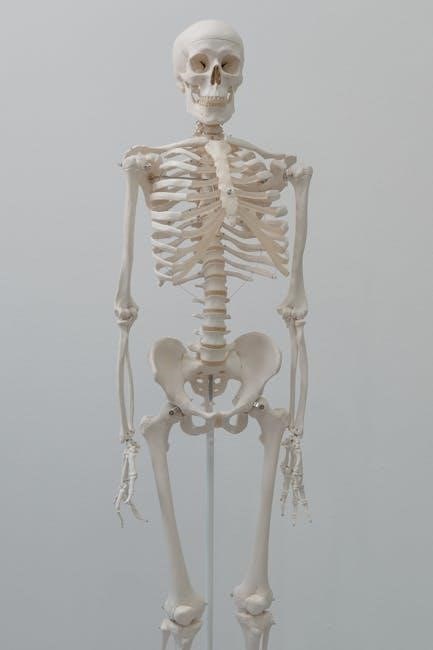
The 11th edition’s detailed exploration of the skeletal system, readily available in PDF format, covers bone structure, function, and classification․ It meticulously outlines the axial and appendicular skeletons, detailing individual bone names, features, and articulations․ Emphasis is placed on bone development, growth, and remodeling processes, alongside the various types of joints and their associated movements․
The PDF resource also addresses skeletal disorders like osteoporosis and arthritis, providing insights into their causes and effects․ Students will learn how the skeletal system supports the body, protects vital organs, and facilitates movement, all presented with clarity and comprehensive illustrations within the downloadable PDF․
The Muscular System
The Human Anatomy & Physiology 11th Edition PDF provides an in-depth study of the muscular system, detailing the three muscle tissue types – skeletal, smooth, and cardiac․ It thoroughly explains muscle fiber structure, contraction mechanisms, and the roles of various proteins like actin and myosin․ The resource meticulously covers muscle attachments, actions, and naming conventions․
Students gain understanding of how muscles produce movement, maintain posture, and generate heat, all within the context of the downloadable PDF․ The text explores common muscle disorders and injuries, alongside detailed illustrations showcasing muscle anatomy and function, making complex concepts accessible and engaging․
The Nervous System
The 11th Edition PDF comprehensively explores the nervous system, beginning with neural tissue – neurons and neuroglia – and progressing to brain and spinal cord anatomy; It details the functional organization of the nervous system, including sensory, motor, and integrative functions․ Students will learn about action potentials, synaptic transmission, and neurotransmitters․
The resource meticulously covers brain regions, cranial nerves, and the organization of the peripheral nervous system․ It also addresses common neurological disorders․ Detailed diagrams and clinical applications within the PDF enhance understanding of this complex system, providing a solid foundation for further study and practical application of neurological principles․

Cardiovascular and Respiratory Systems
The 11th Edition PDF details blood composition, heart function, and respiratory mechanics, offering a thorough exploration of these vital interconnected systems․
The Cardiovascular System
The 11th edition’s coverage of the cardiovascular system is exceptionally detailed, providing a robust foundation for understanding its complexities․ The PDF format allows for easy access to information regarding the heart’s anatomy – chambers, valves, and major vessels – alongside a comprehensive exploration of cardiac physiology․
Students will find in-depth explanations of the cardiac cycle, blood flow regulation, and the intricate relationship between structure and function․ Furthermore, the text delves into blood composition, including erythrocytes, leukocytes, and platelets, and their crucial roles in oxygen transport, immunity, and clotting․
This section emphasizes the systemic and pulmonary circuits, blood pressure control, and potential cardiovascular pathologies, making it a cornerstone of the learning experience․
Blood Composition and Function
The 11th edition’s PDF resource meticulously details blood’s composition, categorizing it into plasma, formed elements – erythrocytes, leukocytes, and thrombocytes – and their respective functions․ Erythrocytes, or red blood cells, are explored regarding their oxygen-carrying capacity via hemoglobin, while various leukocyte types and their immune roles are thoroughly explained․
The text clarifies thrombocyte function in blood clotting and homeostasis․ Detailed explanations cover hematopoiesis, the process of blood cell formation, and the regulation of blood cell populations․
Furthermore, the PDF provides insights into blood typing, transfusions, and potential blood disorders, solidifying a comprehensive understanding of this vital fluid’s role in maintaining overall health․
The Respiratory System
The 11th edition’s PDF comprehensively covers the respiratory system, detailing its anatomical structures – from the nasal cavity to the alveoli – and their functions in gas exchange․ It explains the mechanics of breathing, including inspiration and expiration, and the roles of key muscles like the diaphragm and intercostals․
The resource elucidates pulmonary ventilation, gas transport, and external & internal respiration․ It also delves into the regulation of breathing, highlighting the influence of the brainstem and chemoreceptors․
Furthermore, the PDF explores common respiratory diseases and conditions, providing a holistic understanding of this crucial body system’s operation and potential disruptions․
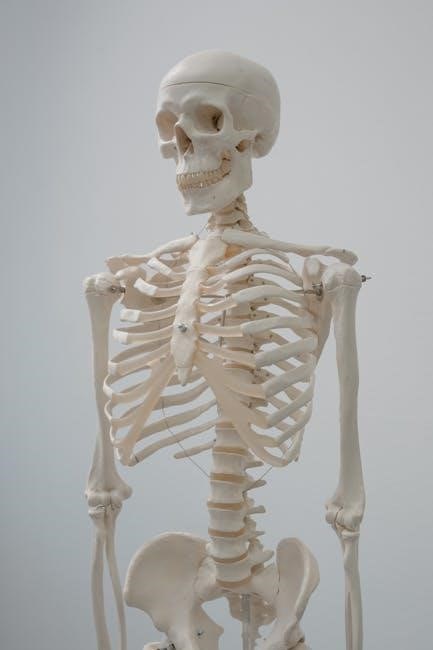
Digestive and Urinary Systems
The 11th edition PDF details digestive processes and urinary system functions, offering a complete overview of these vital systems’ anatomy and physiology․
The Digestive System
The 11th edition’s coverage of the digestive system is remarkably thorough, providing a detailed exploration of its anatomical structures and physiological processes․ Students will find comprehensive information regarding the organs involved – from the mouth and esophagus to the stomach, intestines, liver, and pancreas․
The textbook elucidates the mechanics of digestion, absorption, and elimination, emphasizing how each component contributes to nutrient uptake and waste removal․ It likely includes detailed illustrations and diagrams to aid in visualizing these complex processes․ Furthermore, the PDF version allows for convenient access to this crucial information, supporting effective study and comprehension of how the body breaks down food and utilizes its components for energy and growth․
The Urinary System
The Human Anatomy & Physiology 11th Edition PDF delivers a robust examination of the urinary system, detailing the kidneys, ureters, bladder, and urethra․ Expect a comprehensive overview of nephron structure and function, crucial for understanding filtration, reabsorption, and secretion processes․
The textbook likely emphasizes the system’s role in maintaining fluid, electrolyte, and acid-base balance within the body․ Detailed explanations of hormonal control, such as ADH and aldosterone, are probable․ Accessing this information in PDF format allows students to easily review complex concepts and diagrams related to urine formation and waste excretion, fostering a deeper understanding of this vital regulatory system․
Endocrine and Reproductive Systems
The 11th edition PDF thoroughly explores hormone functions and reproductive anatomy, offering detailed insights into these interconnected and vital bodily systems․
The Endocrine System
The 11th edition’s coverage of the endocrine system is remarkably detailed, presenting a comprehensive overview of hormone regulation and its profound impact on physiological processes․ Students will find in-depth explorations of key endocrine glands – pituitary, thyroid, adrenal, pancreas, and gonads – alongside detailed explanations of hormone synthesis, secretion, and mechanisms of action․
The PDF format allows for easy access to intricate diagrams illustrating hormone pathways and feedback loops․ It emphasizes the interconnectedness of endocrine function with other body systems, highlighting how hormonal imbalances can lead to various diseases․ Furthermore, clinical applications and case studies within the text enhance understanding and demonstrate the real-world relevance of endocrine physiology․ This section provides a solid foundation for comprehending the body’s chemical communication network․
The Reproductive System
The 11th edition’s detailed exploration of the reproductive system, accessible in PDF format, provides a thorough understanding of both male and female reproductive anatomy and physiology․ It meticulously covers gametogenesis, hormonal control of the reproductive cycle, fertilization, and embryonic development․
Students benefit from clear illustrations depicting reproductive organs and processes, alongside explanations of key concepts like ovulation, spermatogenesis, and the stages of pregnancy․ The text also addresses reproductive health issues and related clinical applications․ The PDF’s interactive features and supplementary materials enhance learning, offering a comprehensive resource for mastering this complex system and its vital role in human life․

Resources and Supplements
The 11th edition offers extensive online learning resources, study guides, practice questions, and a comprehensive test bank – often available with the PDF;
Online Learning Resources
Numerous digital resources accompany the Human Anatomy & Physiology 11th Edition, enhancing the learning experience beyond the PDF textbook․ Instructors are increasingly utilizing Open Educational Resources (OER), sharing materials freely online under creative commons licenses․ These often include interactive modules, practice quizzes, and virtual labs designed to reinforce key concepts․
Students can find supplementary materials through publisher websites, offering access to animations, videos, and detailed anatomical models․ Furthermore, searching for “Open educational resources anatomy & physiology” yields a wealth of freely available content․ These resources aim to provide a dynamic and accessible learning environment, complementing the foundational knowledge presented in the core textbook and its PDF format․
Study Guides and Practice Questions
To support learning from the Human Anatomy & Physiology 11th Edition PDF, various study aids are available․ These include comprehensive study guides designed to reinforce key concepts and aid in retention․ Practice questions, often formatted as multiple-choice or fill-in-the-blank, allow students to test their understanding of the material․
Many resources offer chapter-specific quizzes and exams, mirroring the style and difficulty of potential assessments․ Additionally, the textbook may be bundled with access to online question banks and interactive exercises․ Utilizing these supplementary materials alongside the PDF textbook is crucial for mastering the complexities of human anatomy and physiology and achieving academic success․
Test Bank Information

Instructors utilizing the Human Anatomy & Physiology 11th Edition PDF often have access to a dedicated test bank․ This resource contains a vast collection of pre-made questions – multiple choice, true/false, short answer, and essay – designed to assess student comprehension․
The test bank allows educators to quickly create customized quizzes and exams, saving valuable preparation time․ Questions are often categorized by chapter and learning objective, facilitating targeted assessment․ Some test banks also include image-based questions and critical-thinking scenarios․ Access to the test bank is typically restricted to verified instructors and requires separate purchase or institutional access․