
Double Crush Syndrome: A Physical Therapy Treatment Guide
This guide details physical therapy interventions for Double Crush Syndrome, encompassing education, manual therapy, neural mobilizations, and exercises for optimal nerve function restoration․
Understanding Double Crush Syndrome
Double Crush Syndrome isn’t a distinct condition, but a concept explaining increased nerve vulnerability to compression․ It suggests that prior nerve compromise, even mild, makes it susceptible to further compression elsewhere along its path․
This means symptoms aren’t solely from the most obvious compression point – like carpal tunnel – but a culmination of multiple, smaller impingements․ Physical therapy addresses these cumulative issues, focusing on restoring optimal nerve gliding mechanics and reducing overall nerve tension․ Recognizing this multi-site involvement is crucial for effective treatment․
The Neurological Basis of Double Crush
Double Crush arises from the neurophysiological principle that nerves are most vulnerable at their narrowest points․ Prior compression, even without noticeable symptoms, alters nerve physiology, decreasing blood flow and impacting nerve conduction velocity․
This makes the nerve more sensitive to subsequent compression at another location․ Physical therapy interventions, like neural mobilization, aim to restore optimal nerve gliding, reducing internal tension and improving microcirculation․ Addressing these neurological factors is vital for long-term symptom relief and preventing recurrence․
Common Locations of Nerve Compression
Double Crush frequently involves multiple sites along the upper limb’s nerve pathways․ Common areas include the cervical spine, where nerve root compression can occur due to degenerative changes or poor posture․ The suprascapular notch and thoracic outlet can compress the brachial plexus․
Distally, the carpal tunnel and ulnar tunnel are frequent sites of median and ulnar nerve entrapment, respectively․ Physical therapy must assess and address all contributing areas for effective treatment․
Cervical Spine Involvement
Cervical nerve root compression often contributes to Double Crush Syndrome, exacerbating symptoms in the upper extremity․ Degenerative disc disease, spinal stenosis, or poor posture can impinge nerves as they exit the spine․ Physical therapy focuses on restoring proper cervical alignment and movement․
Treatment includes manual therapy to mobilize joints, postural correction exercises, and strengthening of neck and scapular muscles․ Addressing cervical issues is crucial for comprehensive Double Crush management․
Suprascapular Notch & Thoracic Outlet
Compression within the suprascapular notch or thoracic outlet can significantly contribute to Double Crush Syndrome․ The suprascapular nerve may be entrapped as it passes under the scapular notch, while the thoracic outlet presents compression of nerves and vessels․
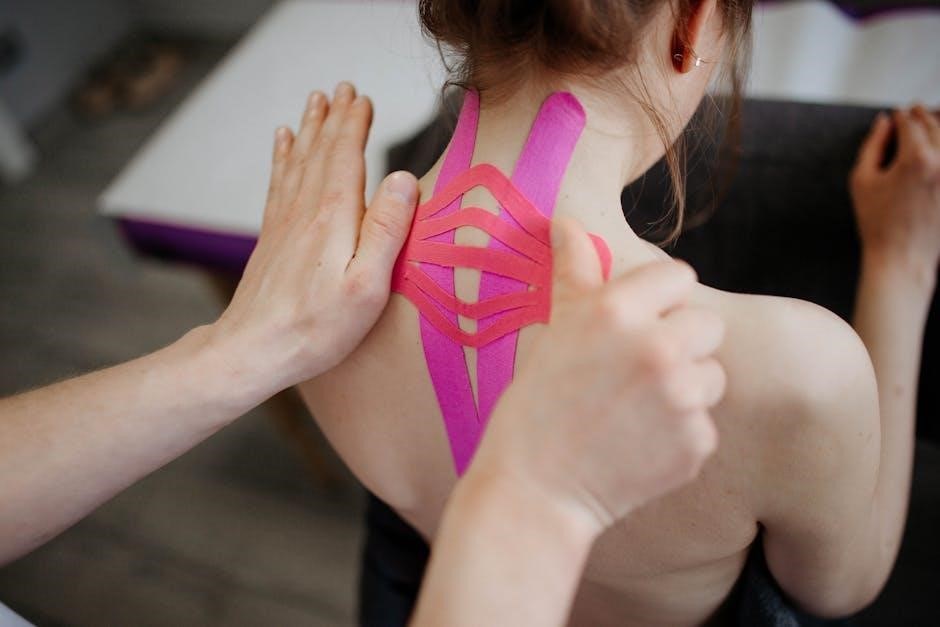
Physical therapy addresses these areas with specific exercises to improve scapular mechanics and expand the thoracic outlet space․ Manual therapy and postural correction are vital for reducing nerve irritation and restoring optimal function․
Carpal Tunnel & Ulnar Tunnel
Entrapment within the carpal tunnel (median nerve) and ulnar tunnel (ulnar nerve) frequently co-exists with proximal nerve compression in Double Crush Syndrome․ Physical therapy focuses on reducing inflammation and restoring gliding mechanics of these nerves․
Treatment includes nerve gliding exercises, splinting, and ergonomic modifications․ Manual therapy addresses wrist and forearm restrictions, while strengthening exercises improve hand function and support nerve health․ Addressing both tunnels is crucial for comprehensive care․
Diagnosis of Double Crush Syndrome
Diagnosing Double Crush Syndrome requires a thorough assessment, as symptoms mimic other conditions․ A detailed physical examination identifies multiple sites of nerve compression, guiding further investigation․ Nerve Conduction Studies (NCS) and Electromyography (EMG) help assess nerve function and pinpoint compression locations․
Differential diagnosis is vital, ruling out conditions like cervical radiculopathy or isolated carpal tunnel syndrome․ Accurate identification of all contributing factors is essential for effective physical therapy treatment planning․
Physical Examination Techniques

Physical examination for Double Crush Syndrome involves a comprehensive neurological assessment․ This includes evaluating range of motion, palpation for tenderness, and specific orthopedic tests to provoke symptoms․ Tests assess the cervical spine, shoulder, elbow, wrist, and hand․
Neurological screening evaluates sensation, reflexes, and muscle strength in affected dermatomes and myotomes․ Provocative maneuvers, like the Spurling’s test or carpal compression, help identify compression sites, guiding presumptive diagnoses․
Nerve Conduction Studies (NCS) & Electromyography (EMG)
Nerve Conduction Studies (NCS) and Electromyography (EMG) are crucial diagnostic tools․ NCS measure the speed of electrical signals along nerves, identifying areas of slowing or blockage․ EMG assesses muscle electrical activity, detecting nerve damage or dysfunction․
These tests help confirm nerve compression, differentiate between single and multiple compression sites, and rule out other conditions․ They provide objective data to guide physical therapy treatment planning and monitor progress, especially in complex cases․
Differential Diagnosis: Ruling Out Other Conditions
Accurate diagnosis requires excluding conditions mimicking Double Crush Syndrome․ These include cervical radiculopathy (nerve root compression), thoracic outlet syndrome, peripheral neuropathy, and other musculoskeletal issues․ A thorough physical examination and patient history are vital․
Ruling out these possibilities ensures appropriate treatment․ Conditions like carpal tunnel syndrome alone must be differentiated․ Considering systemic diseases impacting nerves is also essential for a comprehensive and effective physical therapy approach․
Physical Therapy Treatment Approaches
Physical therapy for Double Crush Syndrome focuses on a multifaceted approach․ Treatment begins with patient education regarding activity modification and postural awareness․ Postural correction and ergonomic advice are crucial to reduce nerve compression․
Manual therapy techniques address soft tissue restrictions and joint dysfunctions․ These interventions aim to restore optimal biomechanics and alleviate nerve irritation․ A tailored exercise program is essential for long-term management and functional improvement․
Education and Activity Modification

Patient education is paramount, explaining the nature of Double Crush Syndrome and the contributing factors․ Individuals learn to identify and avoid activities that exacerbate symptoms, promoting self-management․ Rest from aggravating movements is initially vital, followed by a gradual return to function․
Activity modification involves adapting daily tasks to minimize nerve compression․ This includes ergonomic adjustments and proper body mechanics․ Understanding the interplay between posture, movement, and symptoms empowers patients to actively participate in their recovery․
Postural Correction & Ergonomic Advice
Poor posture significantly contributes to nerve compression in Double Crush Syndrome; therefore, postural retraining is crucial․ Physical therapists provide guidance on maintaining neutral spine alignment during sitting, standing, and various activities․
Ergonomic assessments of workspaces are essential, addressing chair height, keyboard placement, and monitor positioning․ Modifications aim to reduce strain on the neck, shoulders, and upper limbs․ Implementing these changes minimizes repetitive movements and sustained awkward postures, fostering long-term symptom relief․
Manual Therapy Techniques
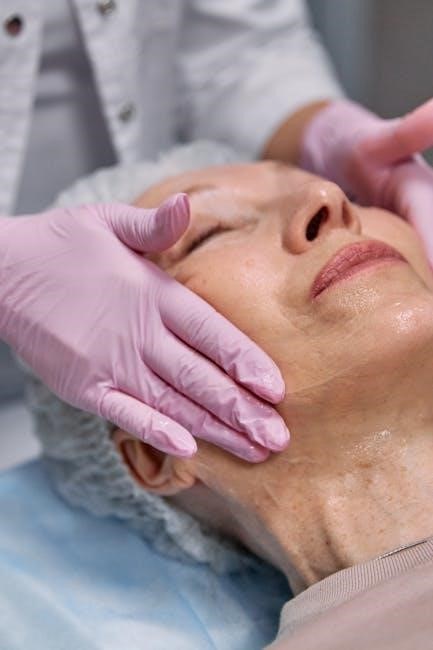
Manual therapy plays a vital role in addressing musculoskeletal imbalances contributing to Double Crush Syndrome․ Physical therapists employ techniques like soft tissue mobilization to release muscle tension around compressed nerves, improving tissue mobility․

Joint mobilization, specifically targeting the cervical spine and carpal bones, restores optimal joint mechanics and reduces nerve irritation․ These hands-on interventions aim to alleviate pressure on affected nerves, enhancing nerve conduction and reducing associated pain and symptoms․
Neural Mobilization Exercises (Nerve Flossing)
Neural mobilization, often called nerve flossing, is a cornerstone of Double Crush Syndrome physical therapy․ These exercises gently move the nerves through their pathways, restoring mobility and reducing adhesions․
Specific protocols target the upper limb nerves – median, ulnar, and radial – and the cervical nerves․ Controlled movements enhance nerve gliding, improving blood flow and reducing sensitivity․ Nerve flossing isn’t a stretch, but a technique to improve nerve mechanics and function․
Upper Limb Nerve Flossing Protocols
Median nerve flossing involves shoulder flexion, elbow extension, wrist extension, and finger extension, then reversing the sequence․ Ulnar nerve flossing combines shoulder adduction, elbow flexion, wrist extension, and finger extension, followed by reversal․
Radial nerve flossing utilizes shoulder abduction, elbow extension, wrist flexion, and finger extension, then reverses․ These protocols are performed gently, avoiding pain exacerbation․ Repetitions and sets are tailored to individual tolerance, progressing gradually under physical therapy guidance․
Cervical Nerve Mobilization Techniques
Cervical nerve mobilization aims to restore nerve gliding by addressing restrictions at the spinal level․ Gentle cervical traction, combined with active range of motion, can reduce nerve compression․ Lateral glide techniques target specific nerve roots, improving their mobility․
Neural oscillations, involving rhythmic movements, enhance nerve excursion․ These techniques are performed cautiously, respecting pain boundaries, and are integrated with upper limb nerve flossing for comprehensive treatment․
Strengthening and Stabilization Exercises

Strengthening and stabilization are crucial for supporting optimal nerve function and preventing recurrence․ Scapular stabilization exercises, like rows and scapular squeezes, improve shoulder mechanics․ Core strengthening enhances postural control, reducing strain on the cervical spine․
Forearm and hand strengthening exercises, utilizing resistance bands or light weights, improve grip strength and endurance․ These exercises are progressed gradually, ensuring proper form and avoiding nerve aggravation․
Scapular Stabilization Exercises
Scapular stabilization exercises are fundamental, addressing shoulder blade control and positioning․ Rows (seated, bent-over, or with resistance bands) strengthen rhomboids and trapezius muscles, retracting and depressing the scapula․ Scapular squeezes, performed by consciously bringing shoulder blades together, enhance endurance․
Protraction and retraction exercises improve scapular movement patterns․ External rotations with resistance bands strengthen rotator cuff muscles, supporting shoulder stability and reducing nerve compression․
Core Strengthening for Postural Control
Core strengthening is vital, as a stable core supports proper spinal alignment and reduces strain on the neck and upper extremities․ Planks (forearm or high) engage deep abdominal muscles, improving endurance․ Bridges strengthen glutes and hamstrings, contributing to pelvic stability․
Bird-dog exercises enhance core stability while promoting spinal neutrality․ Dead bugs challenge core control with limb movements․ A strong core minimizes postural imbalances that exacerbate nerve compression in Double Crush Syndrome․
Forearm & Hand Strengthening
Forearm and hand strengthening combats muscle weakness often associated with prolonged nerve compression․ Grip strengthening using stress balls or hand grippers improves functional capacity․ Wrist curls (palmar and dorsal) target forearm flexors and extensors, enhancing stability․
Finger abduction/adduction exercises with resistance bands improve dexterity and intrinsic hand muscle strength․ Pinch strengthening utilizes putty or clothespins․ These exercises restore optimal hand function and support nerve gliding, crucial for Double Crush Syndrome recovery;
Adjunctive Therapies
Adjunctive therapies complement core physical therapy for Double Crush Syndrome․ Active Release Technique (ART) addresses soft tissue restrictions impacting nerves․ Myofascial release alleviates tension in surrounding muscles, improving nerve mobility․
Ultrasound therapy can reduce inflammation and promote tissue healing, while electrical stimulation aids muscle activation and pain management․ These modalities, when integrated with exercise, enhance treatment outcomes and accelerate recovery, providing comprehensive care for nerve compression․
Active Release Technique (ART)
Active Release Technique (ART) is a specialized manual therapy addressing soft tissue restrictions that contribute to Double Crush Syndrome․ Practitioners utilize precise tension applied while the patient actively moves through specific ranges of motion․
This technique breaks down adhesions and scar tissue around nerves and muscles, restoring optimal biomechanics and reducing nerve entrapment․ ART practitioners undergo specific nerve entrapment training, focusing on conditions like double crush, enhancing treatment effectiveness․
Myofascial Release
Myofascial Release techniques address restrictions within the body’s fascia – the connective tissue surrounding muscles and nerves – often implicated in Double Crush Syndrome․ Therapists apply sustained pressure into these fascial restrictions, allowing tissues to lengthen and release․
This improves nerve gliding, reduces muscle tension, and restores optimal movement patterns․ By releasing myofascial constraints around the cervical spine, shoulder, and upper extremity, symptoms associated with nerve compression can be significantly alleviated, supporting overall recovery․
Modalities: Ultrasound & Electrical Stimulation
Ultrasound therapy can deliver deep heat to tissues, increasing blood flow and promoting healing in areas affected by Double Crush Syndrome․ Electrical Stimulation (E-stim) utilizes varying currents to reduce pain, decrease muscle spasms, and facilitate nerve regeneration․
These modalities, used adjunctively, can enhance the effects of manual therapy and exercises․ While not standalone treatments, they provide symptomatic relief and create a more favorable environment for tissue repair and functional restoration, optimizing patient outcomes․
Long-Term Management & Prevention
Sustained success with Double Crush Syndrome relies on consistent adherence to a home exercise program, emphasizing postural correction and regular stretching․ Maintaining an ergonomic workplace setup is crucial, minimizing repetitive strain and nerve compression․
Proactive lifestyle adjustments, including regular exercise and mindful movement patterns, prevent recurrence․ Importantly, scheduled follow-up appointments with a physical therapist ensure ongoing assessment, program adjustments, and address any emerging symptoms, fostering long-term nerve health․
Home Exercise Program Adherence
Consistent participation in a prescribed home exercise program is paramount for long-term relief from Double Crush Syndrome․ This includes dedicated time for nerve gliding exercises, strengthening routines targeting scapular stabilizers and core muscles, and regular stretching of affected areas․
Patient education regarding proper form and progression is vital․ Tracking progress and addressing any discomfort promptly enhances adherence and maximizes therapeutic benefits, preventing symptom recurrence and promoting sustained functional improvement․
Ergonomic Workplace Setup
Optimizing the workspace is crucial in managing Double Crush Syndrome․ This involves adjusting chair height for proper posture, ensuring monitor placement minimizes neck strain, and utilizing a supportive keyboard and mouse․
Regular breaks to stretch and change positions are essential․ Avoiding prolonged static postures and repetitive movements reduces nerve compression․ A well-designed ergonomic setup minimizes physical stress, supporting recovery and preventing symptom aggravation, ultimately fostering a pain-free work environment․
Regular Stretching & Exercise
Consistent stretching and exercise are vital for long-term Double Crush Syndrome management․ Daily routines should include gentle neck stretches, shoulder rolls, and wrist extensions to improve flexibility and reduce nerve tension․
Incorporating nerve gliding exercises, or “nerve flossing,” helps restore nerve mobility․ Strengthening exercises for the core, scapular muscles, and forearms provide support and stability․ Maintaining an active lifestyle promotes circulation and overall nerve health, preventing recurrence of symptoms․
Importance of Follow-Up Care
Regular follow-up appointments are crucial to monitor progress and adjust the physical therapy plan as needed․ These visits allow for reassessment of symptoms, evaluation of functional improvements, and refinement of exercises․
Continued guidance ensures proper form and technique, maximizing effectiveness and preventing re-injury․ Addressing any setbacks promptly prevents chronic issues․ Consistent communication with your therapist optimizes long-term outcomes and empowers self-management strategies for sustained relief․