

Upper Lower Split Workout Plan: A Comprehensive Guide
Discover a highly effective training methodology! Explore the 2024 Built With Science PDF‚ revealing a routine favored for nearly a decade. Transition seamlessly from full-body or body-part splits‚ embracing a program that consistently delivers results‚ perfect for building muscle!
The upper/lower split is a strength training approach dividing workouts by muscle groups. One day focuses on upper body exercises – chest‚ back‚ shoulders‚ and arms – while the other targets lower body – legs and glutes. This contrasts with full-body routines or isolating individual muscle groups each session.
According to resources like FitMole‚ this split remains a favorite after years of use‚ proving its effectiveness. The Built With Science PDF from 2024 details a structured program. It’s an excellent transition for those accustomed to different training styles‚ offering a balanced and efficient way to build muscle. The split allows for focused intensity and adequate recovery for each muscle group‚ maximizing growth potential. Consider it a versatile option‚ adaptable to various fitness levels and goals‚ as highlighted in Reddit’s beginnerfitness discussions.
Benefits of an Upper Lower Split
The upper/lower split offers several advantages for muscle growth and strength gains. Firstly‚ it allows for greater training frequency for each muscle group compared to a full-body routine. Secondly‚ it enables focused intensity‚ dedicating specific sessions to upper or lower body‚ maximizing effort.
As noted by FitMole‚ this split “just works‚” demonstrating its consistent effectiveness over time. The Built With Science PDF supports this‚ providing a structured plan for optimal results. Furthermore‚ it facilitates better recovery‚ as muscle groups have more time to repair between workouts. This split is also adaptable; the Reddit beginnerfitness community highlights its suitability for various levels. Ultimately‚ the upper/lower split balances intensity‚ frequency‚ and recovery‚ creating an environment conducive to building muscle and increasing strength efficiently.
Who is This Workout Plan For?
This upper/lower split is remarkably versatile‚ catering to a broad spectrum of fitness enthusiasts. Specifically‚ it’s an excellent transition for individuals accustomed to full-body workouts or traditional body-part splits‚ as highlighted by FitMole’s decade-long experience. The plan is particularly beneficial for those seeking increased training frequency and focused intensity.
Beginners‚ as discussed on Reddit’s beginnerfitness forum‚ will find this split manageable and effective for building a solid foundation. However‚ it’s also suitable for intermediate and advanced lifters aiming to break plateaus or optimize their training. The Built With Science PDF provides a structured approach‚ making it accessible to various experience levels. Essentially‚ anyone dedicated to consistent training and progressive overload can benefit from this well-rounded and adaptable workout routine.

Upper Body Workout 1
Initiate your upper body strength journey! Focus on key movements: flat machine press‚ dumbbell rows‚ shoulder presses‚ and lat pull-downs‚ performing four sets of six reps each.
Warm-up for Upper Body 1
Prioritize a dynamic warm-up to prepare your muscles and joints for the demanding exercises ahead. Begin with five minutes of light cardio‚ such as jumping jacks or arm circles‚ to increase blood flow. Follow this with targeted mobility exercises. Include arm swings – forward and backward – to enhance shoulder range of motion.
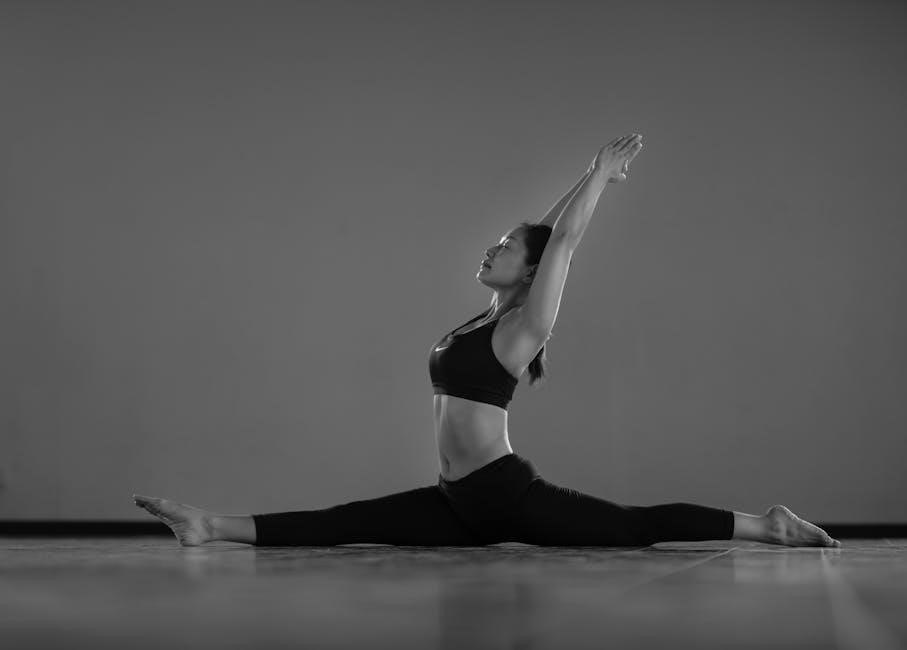
Perform wrist rotations‚ both clockwise and counterclockwise‚ to improve wrist flexibility. Add thoracic spine rotations‚ seated or standing‚ to promote upper back mobility. Incorporate band pull-aparts to activate the rear deltoids and improve posture. Complete the warm-up with light sets of the exercises you’ll be performing in the workout‚ using minimal weight. This primes the nervous system and reduces the risk of injury. Aim for approximately 10-15 repetitions of each mobility exercise and light set.
Exercise 1: Flat Machine Press (4 sets of 6 reps)
Execute the Flat Machine Press with controlled movements‚ focusing on proper form to maximize chest activation and minimize injury risk. Select a weight that allows you to complete all six repetitions with good technique. Ensure your back is flat against the seat and your feet are firmly planted on the floor.
Grip the handles with a comfortable width‚ slightly wider than shoulder-width apart. Lower the weight slowly and deliberately‚ feeling a stretch in your pectoral muscles. Press the weight back up‚ extending your arms fully but without locking your elbows. Maintain a consistent tempo throughout each repetition. Rest for 60-90 seconds between sets. Prioritize quality over quantity‚ focusing on a strong mind-muscle connection. Complete four sets of six repetitions for optimal results‚ as outlined in the Built With Science PDF.
Exercise 2: Dumbbell Row (4 sets of 6 reps)
Perform the Dumbbell Row with a focus on controlled back contractions. Support yourself with one hand and knee on a bench‚ maintaining a flat back. Hold a dumbbell in the opposite hand‚ letting it hang straight down. Pull the dumbbell upwards towards your chest‚ squeezing your shoulder blades together.
Keep your elbow close to your body throughout the movement. Lower the dumbbell slowly and with control‚ resisting the urge to let it drop. Focus on feeling the contraction in your latissimus dorsi muscles. Maintain a neutral spine and avoid twisting your torso. Rest for 60-90 seconds between each set. Complete four sets of six repetitions‚ adhering to the guidelines presented in the Built With Science PDF for effective back development; Prioritize form to prevent injury.
Exercise 3: Shoulder Press (4 sets of 6 reps)
Execute the Shoulder Press with precision‚ targeting your deltoids for optimal growth. Sit on a bench with back support‚ or stand with feet shoulder-width apart. Hold a dumbbell in each hand‚ palms facing forward. Press the dumbbells upwards in a controlled motion‚ extending your arms fully but without locking your elbows.
Focus on maintaining a stable core and avoiding excessive back arching. Lower the dumbbells slowly and deliberately‚ resisting the weight throughout the eccentric phase. Ensure a full range of motion for maximum muscle activation. Rest for 60-90 seconds between sets‚ as outlined in the Built With Science PDF. Complete four sets of six repetitions‚ prioritizing proper form over lifting heavier weights. Concentrate on feeling the burn in your shoulder muscles.
Exercise 4: Lat Pull Down (4 sets of 6 reps)
Engage your latissimus dorsi with the Lat Pull Down‚ a cornerstone exercise for upper back development. Sit at a lat pull down machine‚ securing your thighs under the pads. Grasp the bar with an overhand grip‚ slightly wider than shoulder-width. Pull the bar down towards your upper chest‚ squeezing your shoulder blades together.
Maintain an upright posture and avoid leaning back excessively. Control the bar’s ascent‚ resisting the weight as it returns to the starting position. Focus on feeling the contraction in your lats throughout the movement. Rest for 60-90 seconds between each set‚ adhering to the recommendations within the Built With Science PDF. Perform four sets of six repetitions‚ prioritizing technique and muscle activation. Visualize pulling with your elbows‚ not your arms.
Cool-down for Upper Body 1
Transition smoothly from intense training with a dedicated cool-down routine. Begin with 5-10 minutes of light cardio‚ such as walking on a treadmill or using an elliptical‚ to gradually lower your heart rate. Follow this with static stretching‚ holding each stretch for 30 seconds. Target major muscle groups worked during the session: lats‚ shoulders‚ chest‚ and biceps.
Include stretches like cross-body shoulder stretches‚ tricep stretches‚ and chest stretches. Focus on deep‚ controlled breathing throughout the cool-down. Remember‚ a proper cool-down aids in muscle recovery and reduces the risk of soreness. Refer to resources like the Built With Science PDF for detailed stretching guidance; Prioritize flexibility and range of motion. End with a few deep breaths‚ promoting relaxation and recovery.

Lower Body Workout 1
Prepare for lower body strength! Focus on barbell hip thrusts‚ Romanian deadlifts‚ and reverse lunges‚ as outlined in the 2024 Built With Science PDF.
Warm-up for Lower Body 1
Prioritize a dynamic warm-up to prepare your lower body for the demanding exercises ahead. Begin with five minutes of light cardio‚ such as jogging in place or jumping jacks‚ to elevate your heart rate and increase blood flow to the muscles.
Follow this with targeted mobility exercises. Include ten repetitions of bodyweight squats‚ focusing on maintaining proper form and a full range of motion. Next‚ perform ten walking lunges per leg‚ emphasizing controlled movements and stability. Add ten hip circles in each direction to improve hip mobility.
Incorporate hamstring stretches‚ like dynamic leg swings (ten reps per leg)‚ to enhance flexibility. Finish with glute bridges (ten reps) to activate the gluteal muscles. This comprehensive warm-up‚ approximately 10-15 minutes in duration‚ will significantly reduce the risk of injury and optimize performance during your lower body workout‚ as suggested by resources like the Built With Science PDF.

Exercise 1: Barbell Hip Thrust (Sets & Reps to be determined)
The barbell hip thrust is a phenomenal exercise for targeting the glutes and hamstrings‚ crucial for lower body strength and development. Position your upper back against a stable bench‚ with a barbell positioned across your hips – use a pad for comfort.
Drive through your heels‚ squeezing your glutes at the top of the movement to lift your hips until your body forms a straight line from shoulders to knees. Maintain a controlled descent‚ ensuring your core remains engaged throughout.
Focus on achieving a full range of motion and maximizing glute activation. The Built With Science PDF and other resources suggest varying sets and reps based on individual goals; however‚ a common starting point is 3-4 sets of 8-12 repetitions. Proper form is paramount to prevent injury and maximize effectiveness.
Exercise 2: Barbell Romanian Deadlift (Sets & Reps to be determined)
The barbell Romanian Deadlift (RDL) is a hinge movement that powerfully targets the hamstrings‚ glutes‚ and lower back. Stand with feet hip-width apart‚ holding a barbell with an overhand grip. Maintain a slight bend in your knees throughout the exercise.
Hinge at your hips‚ pushing them backward while keeping your back straight and core engaged. Lower the barbell towards the floor‚ feeling a stretch in your hamstrings. Avoid rounding your back – maintain a neutral spine.
The Built With Science PDF and similar guides recommend adjusting sets and reps to suit your fitness level. A typical range is 3-4 sets of 8-12 repetitions. Focus on controlled movements and a strong mind-muscle connection to maximize hamstring activation and prevent injury. Prioritize form over weight.
Exercise 3: Front Foot Elevated Reverse Lunges (Sets & Reps to be determined)
Elevated reverse lunges are a fantastic lower body exercise‚ targeting the quads‚ glutes‚ and hamstrings with increased range of motion. Position yourself with one foot forward on a slightly elevated surface – a weight plate or step works well. Maintain an upright torso and engaged core.
Step backward with your other leg‚ lowering your body until both knees are bent at approximately 90 degrees. Ensure your front knee tracks in line with your ankle‚ avoiding it extending past your toes. Push off with your back foot to return to the starting position.
According to resources like the Built With Science PDF‚ sets and reps should be tailored to your experience. A common starting point is 3-4 sets of 10-15 reps per leg. Focus on controlled movements and balance throughout the exercise.
Cool-down for Lower Body 1
Following an intense lower body workout‚ a proper cool-down is crucial for recovery and flexibility. Begin with 5-10 minutes of low-intensity cardio‚ such as walking on a treadmill or cycling at a relaxed pace. This helps to gradually lower your heart rate and clear metabolic waste.
Incorporate static stretching‚ holding each stretch for 30-60 seconds. Focus on major muscle groups worked during the session: quads‚ hamstrings‚ glutes‚ and calves. Examples include hamstring stretches‚ quad stretches‚ calf stretches‚ and hip flexor stretches.
Remember to breathe deeply and avoid bouncing during stretches. The Built With Science PDF emphasizes the importance of mindful recovery. Prioritize foam rolling to address muscle soreness and improve tissue quality. A thorough cool-down minimizes post-exercise muscle stiffness and promotes long-term joint health.

Upper Body Workout 2
Embrace this session featuring low incline dumbbell presses‚ pull-ups‚ seated cable flyes‚ and seated cable rows‚ outlined in the 2024 Built With Science PDF!
Warm-up for Upper Body 2
Prioritize a dynamic warm-up before commencing Upper Body Workout 2‚ preparing your muscles and joints for optimal performance and injury prevention. Begin with five minutes of light cardio‚ such as jumping jacks or arm circles‚ to elevate your heart rate and increase blood flow.
Follow this with targeted mobility exercises. Include arm swings – forward‚ backward‚ and across the body – to enhance shoulder mobility. Perform wrist rotations‚ both clockwise and counterclockwise‚ to improve wrist flexibility; Add thoracic spine rotations‚ seated or standing‚ to promote upper back mobility.
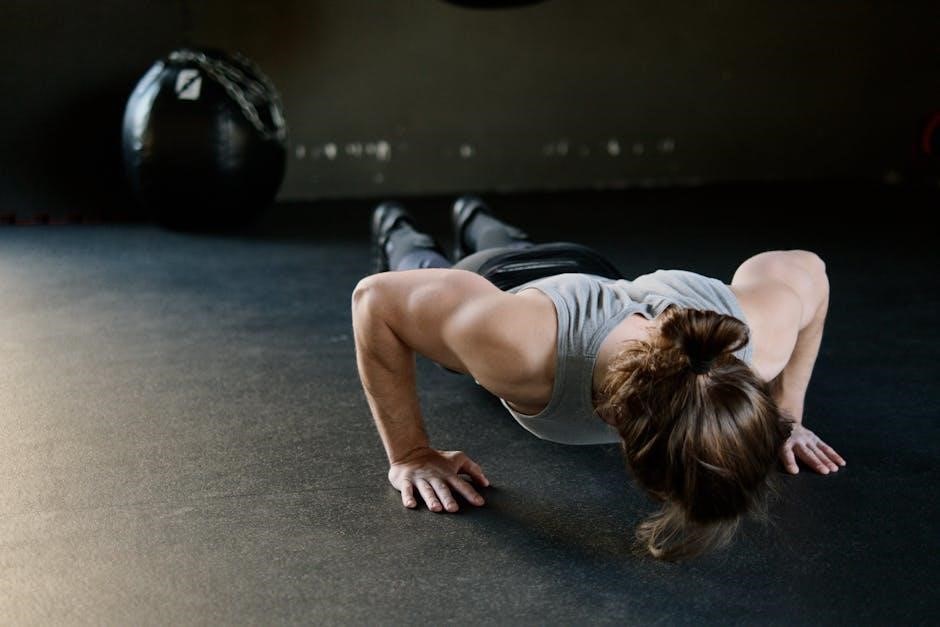
Incorporate band pull-aparts to activate the rear deltoids and improve posture. Complete the warm-up with light sets of the exercises you’ll be performing in the workout‚ using minimal weight. This primes the nervous system and prepares the specific muscle groups for the demands of the session. Aim for approximately 10-15 repetitions of each exercise during the warm-up phase.
Exercise 1: Low Incline Dumbbell Press (Sets & Reps to be determined)
Execute the Low Incline Dumbbell Press with precision‚ focusing on controlled movements and a full range of motion. Set a low incline bench – approximately 15-30 degrees – to emphasize the upper chest while minimizing shoulder stress. Lie back on the bench with your feet flat on the floor‚ maintaining a slight arch in your lower back.
Hold a dumbbell in each hand‚ palms facing forward. Lower the dumbbells slowly and deliberately towards your chest‚ keeping your elbows slightly bent. Pause briefly at the bottom of the movement‚ then press the dumbbells back up to the starting position‚ squeezing your chest muscles at the top.
Maintain a neutral wrist position throughout the exercise. Focus on feeling the contraction in your pectoral muscles. Adjust sets and reps based on your fitness level and goals‚ prioritizing proper form over lifting heavy weight.
Exercise 2: Pull-Ups (Sets & Reps to be determined)
Master the pull-up‚ a cornerstone exercise for upper body strength and back development. Grasp a pull-up bar with an overhand grip‚ slightly wider than shoulder-width apart. Hang freely with your arms fully extended‚ engaging your core for stability. Initiate the movement by retracting your shoulder blades and pulling yourself upwards.
Continue pulling until your chin clears the bar‚ maintaining a controlled tempo. Focus on using your back muscles – lats‚ rhomboids‚ and traps – to drive the movement‚ rather than relying solely on your arms. Lower yourself slowly and deliberately back to the starting position‚ resisting the urge to drop;
If you cannot perform full pull-ups‚ utilize assisted pull-up machines or resistance bands to reduce the load. Adjust sets and reps according to your strength level‚ prioritizing proper form and a full range of motion for optimal results.
Exercise 3: Seated Mid-Chest Cable Flyes (Sets & Reps to be determined)
Target your pectoral muscles with seated cable flyes‚ a fantastic isolation exercise. Position yourself on a bench between two cable pulleys‚ each set at mid-chest height. Grasp the handles with a slight bend in your elbows‚ maintaining a neutral wrist position. Keep your back flat against the bench and core engaged throughout the movement.
Initiate the exercise by bringing your hands together in front of your chest‚ squeezing your pectoral muscles at the peak contraction. Focus on a controlled‚ smooth motion‚ avoiding any jerky movements. Maintain the slight bend in your elbows to protect your joints and maximize muscle activation.
Slowly return your hands to the starting position‚ resisting the pull of the cables. Adjust sets and reps based on your fitness level‚ emphasizing proper form and a full range of motion for optimal chest development.
Exercise 4: Seated Cable Row (Sets & Reps to be determined)
Strengthen your back muscles with the seated cable row‚ a cornerstone exercise for upper body development. Sit at a cable row machine with your feet firmly planted and knees slightly bent. Grasp the handle with an overhand grip‚ keeping your back straight and core engaged. Maintain a slight lean forward from your hips.
Pull the handle towards your lower abdomen‚ squeezing your shoulder blades together. Focus on driving your elbows back and keeping your back straight throughout the movement. Avoid using momentum or rounding your back‚ as this can lead to injury.
Slowly return the handle to the starting position‚ controlling the resistance. Adjust sets and reps according to your fitness level‚ prioritizing proper form and a full range of motion to maximize back muscle activation and growth.
Cool-down for Upper Body 2
Concluding your Upper Body 2 workout with a proper cool-down is crucial for recovery and injury prevention. Begin with 5-10 minutes of light cardio‚ such as walking on a treadmill or using an elliptical‚ to gradually lower your heart rate. Follow this with static stretching‚ holding each stretch for 20-30 seconds.
Focus on stretching the muscles worked during the session: chest‚ back‚ shoulders‚ and biceps. Include stretches like cross-body shoulder stretches‚ tricep stretches‚ and lat stretches. Remember to breathe deeply and avoid bouncing during stretches.
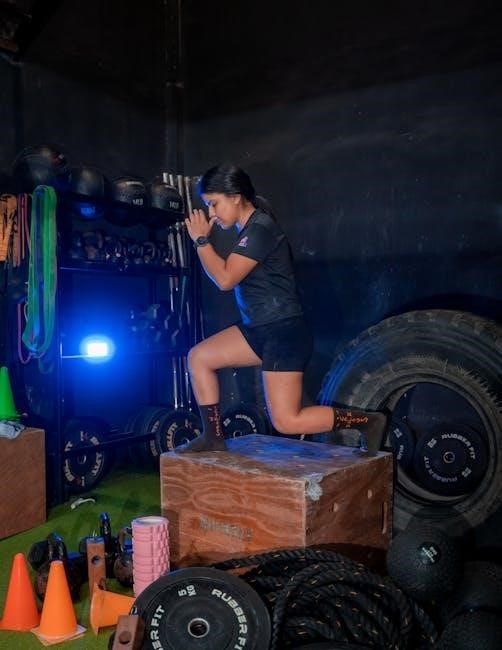
Prioritize flexibility and range of motion to reduce muscle soreness and improve overall performance. A thorough cool-down aids in muscle recovery and prepares your body for the next workout session‚ ensuring continued progress and minimizing the risk of strain.
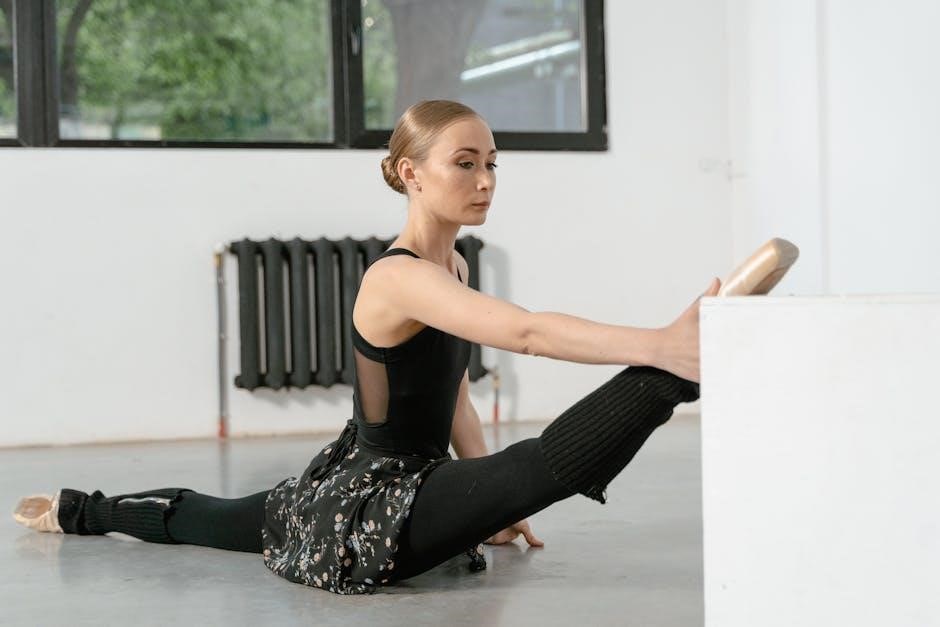
Lower Body Workout 2
Target your lower body with exercises like seated leg extensions‚ hyperextensions‚ and standing weighted calf raises‚ as detailed in the 2024 Built With Science PDF.
Warm-up for Lower Body 2
Prioritize a dynamic warm-up before commencing Lower Body Workout 2‚ preparing your muscles and joints for optimal performance and injury prevention. Begin with five minutes of light cardio‚ such as jogging in place or jumping jacks‚ to elevate your heart rate and increase blood flow.
Follow this with dynamic stretches specifically targeting the lower body. Include leg swings (forward and sideways)‚ hip circles‚ torso twists‚ and walking lunges. Perform each stretch for approximately 30 seconds‚ focusing on controlled movements and a full range of motion.
Additionally‚ incorporate glute bridges and bodyweight squats to activate the glutes and quads. These exercises will further prepare your muscles for the heavier lifts in the workout. Remember to listen to your body and avoid pushing through any pain. A thorough warm-up is crucial for maximizing your workout’s effectiveness and minimizing the risk of injury‚ as emphasized in comprehensive guides like the Built With Science PDF.
Exercise 1: Seated Leg Extensions (Sets & Reps to be determined)
The seated leg extension is a foundational exercise for targeting the quadriceps muscles. Position yourself comfortably on the leg extension machine‚ adjusting the pad to align with your ankles. Ensure your back is firmly pressed against the seat for stability and to isolate the quads.
Focus on controlled movements throughout the exercise. Extend your legs‚ contracting the quadriceps‚ and avoid locking your knees at the top of the movement. Slowly lower the weight back to the starting position‚ maintaining tension in the muscles.

Sets and repetitions will vary based on individual fitness levels and goals‚ but a common starting point is 3-4 sets of 8-12 repetitions. Refer to resources like the Built With Science PDF for personalized recommendations. Prioritize proper form over lifting heavy weight to maximize effectiveness and prevent injury. This exercise is a key component of a well-rounded lower body routine.
Exercise 2: Hyperextensions (Back/Hamstring Focused) (Sets & Reps to be determined)
Hyperextensions are a fantastic exercise for strengthening the lower back and hamstrings. Position yourself on a hyperextension bench‚ securing your feet and adjusting the pad to comfortably support your hips. Maintain a neutral spine throughout the movement‚ avoiding excessive rounding or arching of the back.
Slowly lower your upper body‚ keeping your core engaged‚ until you feel a stretch in your hamstrings and lower back. Then‚ contract your glutes and lower back muscles to raise your torso back to the starting position. Avoid using momentum to swing your body up.
Sets and repetitions should be adjusted to your fitness level‚ but 3 sets of 12-15 repetitions are a good starting point‚ as noted in various workout programs. The Built With Science PDF may offer further guidance. Focus on controlled movements and proper form to maximize benefits and minimize risk of injury. This exercise complements other lower body movements effectively.
Exercise 3: Standing Weighted Calf Raises (Sets & Reps to be determined)
Standing weighted calf raises are crucial for developing strong and defined calf muscles. Position yourself with your feet shoulder-width apart‚ either on a calf raise machine or a slightly elevated surface like weight plates. Hold a dumbbell in each hand or use a barbell across your upper back for added resistance.
Slowly raise up onto your toes‚ focusing on contracting your calf muscles. Ensure a full range of motion‚ maximizing the stretch at the bottom and the squeeze at the top. Avoid rolling your ankles inward or outward during the movement.
Sets and repetitions will vary based on your experience‚ but the Built With Science PDF suggests utilizing either a barbell or dumbbells. Consider 3-4 sets of 15-20 repetitions as a starting point. Prioritize controlled movements and proper form to effectively target the gastrocnemius and soleus muscles. This exercise completes the lower body workout effectively.
Cool-down for Lower Body 2
Following an intense lower body session‚ a proper cool-down is essential for recovery and injury prevention. Begin with 5-10 minutes of light cardio‚ such as walking on a treadmill or cycling at a low intensity. This helps to gradually lower your heart rate and improve blood flow.
Next‚ incorporate static stretching‚ holding each stretch for 30-60 seconds. Focus on major muscle groups worked during the workout‚ including hamstrings‚ quadriceps‚ glutes‚ and calves. Examples include hamstring stretches‚ quad stretches‚ and calf stretches.
Remember to breathe deeply and relax into each stretch‚ avoiding any bouncing or jerking movements. The Built With Science PDF doesn’t explicitly detail a cool-down‚ but prioritizing flexibility and recovery is vital. A thorough cool-down reduces muscle soreness and enhances future performance‚ completing your Lower Body 2 workout.