

Printable Low Cholesterol Food List PDF: A Comprehensive Guide
Creating a personalized, printable food list PDF empowers dietary changes, focusing on fruits, vegetables, whole grains, and oily fish for heart health.
Understanding cholesterol is fundamental to heart health, and diet plays a pivotal role in managing its levels. Cholesterol isn’t inherently “bad”; it’s a waxy substance needed to build healthy cells. However, an excess, particularly of LDL (“bad”) cholesterol, can lead to plaque buildup in arteries, increasing heart disease risk.
A well-planned diet, reflected in a printable low cholesterol food list PDF, can significantly impact cholesterol levels. Focusing on foods low in saturated and trans fats, while incorporating fiber-rich options like oats, beans, and whole grains, is crucial. Prioritizing fruits, vegetables, and oily fish – rich in omega-3 fatty acids – further supports cardiovascular wellbeing. Dietary adjustments, alongside lifestyle changes, are key to maintaining healthy cholesterol and a strong heart.
Understanding LDL and HDL Cholesterol
Cholesterol travels in the blood via lipoproteins, with Low-Density Lipoprotein (LDL) and High-Density Lipoprotein (HDL) being the most significant. LDL, often termed “bad” cholesterol, contributes to artery-clogging plaque, elevating heart disease risk. A printable low cholesterol food list PDF aids in minimizing LDL intake through dietary choices.
Conversely, HDL, known as “good” cholesterol, helps remove LDL from the arteries, offering protective benefits. Dietary strategies, like incorporating oily fish rich in omega-3s, can boost HDL levels. Understanding this distinction is vital when utilizing a food list; the goal is to lower LDL while potentially increasing HDL. A balanced approach, guided by a comprehensive PDF, supports optimal cholesterol management and cardiovascular health.
The Role of a Printable Food List
A printable low cholesterol food list PDF serves as a practical tool for navigating dietary changes; It transforms abstract advice into actionable steps, simplifying meal planning and grocery shopping. Instead of relying on memory, individuals have a readily available reference, promoting consistent healthy choices. This is especially helpful when making swaps – butter to olive oil, chips to nuts – as highlighted in dietary recommendations.
Furthermore, a well-designed PDF categorizes foods for easy reference, potentially including portion sizes. It empowers individuals to proactively manage their cholesterol levels, supporting heart health. Having a physical or digital copy fosters accountability and reinforces positive dietary habits, ultimately contributing to long-term wellness.

Core Food Groups for Lowering Cholesterol
Prioritize fruits, vegetables, whole grains, and lean proteins; incorporate oily fish rich in omega-3s to actively lower cholesterol and support heart health.
Fruits and Vegetables: A Colorful Foundation
A vibrant array of fruits and vegetables forms the cornerstone of a cholesterol-lowering diet. These naturally cholesterol-free foods are packed with soluble fiber, which actively binds to cholesterol in the digestive system, preventing its absorption into the bloodstream.
Focus on variety to maximize nutrient intake. Berries, apples, citrus fruits, and pears are excellent choices, alongside leafy greens, broccoli, carrots, and Brussels sprouts. Including a diverse range of colors ensures you’re benefiting from a wide spectrum of vitamins, minerals, and antioxidants.

Aim for at least five servings daily. These foods are naturally low in calories and high in fiber, promoting satiety and aiding in weight management – another crucial factor in cholesterol control. A printable food list should prominently feature these options, categorized for easy selection and meal planning.
Whole Grains: The Power of Fiber
Whole grains are nutritional powerhouses, particularly renowned for their high fiber content, a key ally in lowering cholesterol levels. Unlike refined grains, whole grains retain the bran and germ, providing a substantial dose of soluble fiber. This type of fiber effectively reduces LDL (“bad”) cholesterol absorption.
Excellent choices include whole-grain bread, brown rice, quinoa, oats, and barley. When creating your printable food list, prioritize these over white bread, white rice, and processed cereals. Aim for at least half of your grain servings to be whole grains.
Fiber promotes fullness, aiding in weight management, which indirectly benefits cholesterol levels. A well-structured PDF list should clearly differentiate between whole and refined grains, offering convenient serving suggestions for optimal cholesterol control.
Lean Proteins: Choosing Wisely
Selecting lean protein sources is crucial for a cholesterol-conscious diet. While protein is essential, certain types can elevate LDL cholesterol. Prioritize skinless poultry, fish (especially oily fish rich in omega-3s), beans, lentils, and tofu on your printable food list.
Red meat and processed meats should be limited. If consumed, opt for lean cuts and trim visible fat. A helpful PDF will categorize proteins by their fat content, making informed choices easier. Portion control is also vital; a serving size of 3-4 ounces is generally recommended.
Beans and lentils are exceptional plant-based protein sources, boasting high fiber content which further aids in cholesterol reduction. Your list should include diverse protein options to ensure a balanced and satisfying diet.

Oily Fish: Omega-3 Fatty Acids
Oily fish are nutritional powerhouses, brimming with omega-3 fatty acids – EPA and DHA – which demonstrably benefit heart health and help regulate blood clotting. Include salmon, mackerel, herring, sardines, and trout prominently on your printable low cholesterol food list PDF.
Aim for at least two to three portions (approximately 100g per portion) weekly, particularly if you have a history of heart disease or familial hypercholesterolaemia (FH). A well-designed PDF will clearly indicate recommended serving sizes.
Omega-3s can lower triglycerides and modestly improve HDL cholesterol levels. Your food list can also suggest preparation methods – baking, grilling, or steaming – to minimize added fats. Prioritize these heart-healthy fats for optimal cholesterol management.

Foods to Limit or Avoid
A comprehensive PDF list highlights saturated and trans fats, cholesterol-rich items, and sugary processed foods as detrimental to healthy cholesterol levels.
Saturated Fats: Sources and Impact
Saturated fats significantly elevate LDL cholesterol, increasing heart disease risk. A detailed PDF food list must clearly identify primary sources. These include fatty cuts of red meat – beef, lamb, and pork – as well as poultry with skin. Full-fat dairy products, like whole milk, cheese, and butter, are also substantial contributors.
Furthermore, many processed foods contain hidden saturated fats, often found in baked goods, fried foods, and commercially prepared snacks. Coconut oil and palm oil, while plant-based, are exceptionally high in saturated fat and should be limited. The printable guide should emphasize mindful consumption and suggest healthier alternatives, like lean protein sources and unsaturated fat options, to support cholesterol management and overall cardiovascular wellbeing.
Trans Fats: The Worst Kind of Fat
Trans fats are unequivocally the most detrimental type of fat for cholesterol levels and heart health. They not only raise LDL (“bad”) cholesterol but also simultaneously lower HDL (“good”) cholesterol, creating a double negative impact. A comprehensive printable PDF food list must prominently flag foods containing trans fats.
Historically, trans fats were commonly found in partially hydrogenated oils, used in many processed foods like fried foods, baked goods (cookies, cakes, pastries), and some margarines. While many countries have restricted or banned their use, it’s crucial to remain vigilant and check ingredient labels. Even foods labeled “0 grams trans fat” can contain trace amounts. Prioritizing whole, unprocessed foods is the best strategy, and the PDF should highlight this, offering healthier alternatives for a heart-protective diet.
Cholesterol-Rich Foods: Moderation is Key
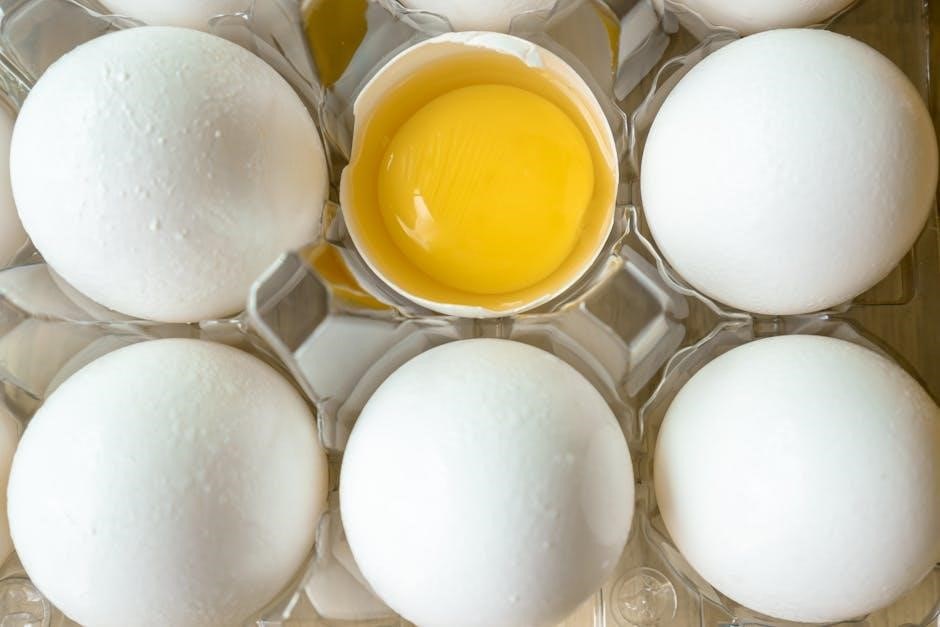
While dietary cholesterol’s impact isn’t as significant as once believed, a prudent approach involves moderation with cholesterol-rich foods. A detailed printable PDF food list should categorize these items, enabling informed choices. Foods like egg yolks, organ meats (liver), and shellfish contain higher cholesterol levels.
However, completely eliminating these foods isn’t necessarily required for everyone, especially if overall dietary patterns are heart-healthy. For individuals with Familial Hypercholesterolaemia (FH), or heightened sensitivity, stricter limitations may be necessary, as noted in available resources. The PDF should clearly indicate this consideration. Emphasizing portion control and balancing these foods with ample fiber-rich options – fruits, vegetables, and whole grains – is vital for maintaining healthy cholesterol levels.
Sugary Drinks and Processed Foods: Hidden Dangers
A comprehensive printable low cholesterol food list PDF must highlight the detrimental effects of sugary drinks and highly processed foods. These often contain hidden saturated and trans fats, contributing to elevated LDL cholesterol. Frequent consumption disrupts metabolic health, indirectly impacting cholesterol levels.
Sugary drinks, including fizzy drinks and fruit squash, offer empty calories and promote weight gain, a risk factor for heart disease. Processed foods, often laden with unhealthy fats and added sugars, should be minimized. The PDF should clearly flag these as “limit” or “avoid” categories. Prioritizing whole, unprocessed foods – fruits, vegetables, whole grains, and lean proteins – is crucial for effective cholesterol management and overall well-being. Awareness of these hidden dangers empowers healthier choices.

Practical Dietary Swaps
A helpful PDF lists simple swaps: butter for olive oil, potato chips for nuts, white bread for whole grain, and full-fat for reduced-fat dairy.
Butter vs. Olive Oil
The switch from butter to olive oil represents a significant dietary improvement for individuals aiming to lower their cholesterol levels. Butter is notably high in saturated fats, which contribute to increased LDL (“bad”) cholesterol. Conversely, olive oil, particularly extra virgin olive oil, is rich in monounsaturated fats.
These healthy fats can actually help reduce LDL cholesterol while potentially increasing HDL (“good”) cholesterol. A printable food list PDF should clearly highlight olive oil as a preferred cooking and dressing option.
Consider this a foundational swap; it’s easily implemented and delivers substantial benefits. The PDF can also include information on the various types of olive oil and their smoke points for different cooking methods. Making this change consistently supports a heart-healthy lifestyle and contributes to overall well-being.
Potato Chips vs. Plain Nuts
Replacing potato chips with a handful of plain nuts is a smart and satisfying dietary adjustment for lowering cholesterol. Potato chips are typically loaded with unhealthy fats, including saturated and potentially trans fats, and offer minimal nutritional value. Nuts, on the other hand, provide healthy unsaturated fats, fiber, and plant sterols.
These components actively work to reduce LDL cholesterol levels. A comprehensive printable food list PDF should emphasize unsalted, plain nuts – almonds, walnuts, pecans – as a preferred snack. Portion control is key, as nuts are calorie-dense.
The PDF could include suggested serving sizes. This simple swap satisfies crunchy cravings while contributing positively to heart health and overall cholesterol management. It’s a practical and delicious step towards a healthier diet.
White Bread vs. Whole Grain Bread
Switching from white bread to whole grain bread is a foundational change highlighted in any effective cholesterol-lowering diet, and therefore crucial for a printable food list PDF. White bread is made from refined grains, stripped of valuable fiber and nutrients. Whole grain bread, conversely, retains the bran and germ, providing a significant fiber boost.
This fiber is instrumental in reducing LDL cholesterol absorption in the digestive system. A detailed PDF should clearly differentiate between “whole grain” and simply “wheat” bread, emphasizing the importance of checking ingredient lists.
Prioritize breads listing “whole wheat flour” or other whole grains as the first ingredient. This simple substitution contributes to improved digestive health and sustained energy levels, alongside cholesterol reduction.
Full-Fat vs. Reduced-Fat Dairy
When constructing a printable low cholesterol food list PDF, the dairy section requires careful consideration. While completely eliminating dairy isn’t necessary, opting for reduced-fat or fat-free versions is generally recommended. Full-fat dairy products contain saturated fats, which can elevate LDL cholesterol levels – the “bad” cholesterol.
Reduced-fat options, like skim milk, low-fat yogurt, and reduced-fat cheese, significantly lower saturated fat intake without sacrificing essential nutrients like calcium and vitamin D.
The PDF should clearly indicate portion sizes for dairy, as even reduced-fat options should be consumed in moderation. Encourage users to explore plant-based alternatives if desired, and always check nutrition labels for saturated fat content.
Creating Your Printable Food List PDF
A well-designed PDF simplifies cholesterol management, categorizing foods for easy reference, including portion sizes, and promoting effective dietary adherence for better health.
Essential Elements of a Cholesterol-Lowering Food List
A comprehensive cholesterol-lowering food list PDF must prioritize clarity and practicality. It should prominently feature core food groups – fruits, vegetables, whole grains, lean proteins, and oily fish – known for their cholesterol-reducing benefits. Specifically, include examples like sugar-free squash and diet fizzy drinks as acceptable beverage choices.
Crucially, the list needs to differentiate between foods to enjoy freely and those requiring moderation. Highlight the importance of swapping unhealthy options; for instance, substituting butter with olive oil, potato chips with plain nuts, and white bread with whole grain bread.
Furthermore, the PDF should acknowledge the role of omega-3 fatty acids found in oily fish, recommending 2-3 portions weekly (approximately 100g per portion) for heart health. Finally, a disclaimer regarding Familial Hypercholesterolaemia (FH) is vital, noting potential sensitivity to cholesterol-rich foods in affected individuals.
Categorizing Foods for Easy Reference
To maximize usability, a printable cholesterol-lowering food list PDF should employ clear categorization. Divide foods into sections like “Fruits & Vegetables” (emphasizing colorful variety), “Whole Grains” (bread, cereal, pasta, rice), “Lean Proteins,” and “Healthy Fats” (like olive oil). A separate “Oily Fish” category is essential, highlighting the benefits of omega-3s and suggesting 2-3 weekly portions.
A “Foods to Limit” section is equally important, listing saturated and trans fats, cholesterol-rich items, and sugary drinks. This section shouldn’t simply ban these foods, but rather emphasize moderation.
Consider a final “Swap Ideas” category showcasing practical dietary changes – butter for olive oil, chips for nuts, white bread for whole grain. Using bold text for key food groups and employing a visually appealing layout will further enhance the list’s accessibility and effectiveness.
Portion Sizes and Serving Suggestions
A truly effective printable food list PDF goes beyond simply listing foods; it provides practical guidance on portion control. Specify serving sizes – for example, “100g of fish” constitutes one oily fish portion, aligning with recommendations for heart health and post-heart attack recovery.
Include visual cues or standardized measurements (cups, ounces) to aid understanding. Suggest incorporating a variety of fruits and vegetables into each meal, and emphasize at least half of grain servings should be whole grain.
Offer substitution ideas – swapping full-fat dairy for reduced-fat alternatives. Highlight the importance of mindful eating and avoiding oversized portions, even of healthy foods. Clear, concise serving suggestions empower users to implement dietary changes effectively and sustainably.
Tips for Using Your Food List Effectively
Maximize the impact of your printable cholesterol-lowering food list PDF by integrating it into daily routines. Keep it visible – on the refrigerator or pantry door – for constant reference during meal planning and grocery shopping.
Utilize the categorized format for quick identification of suitable food choices. Proactively plan meals around the recommended foods, and prepare shopping lists based on the list’s contents.
Don’t view it as restrictive, but rather as a guide to expanding your culinary horizons with heart-healthy options. Remember practical swaps – olive oil for butter, nuts for chips, whole grain for white bread – to make gradual, sustainable changes. Regularly review and update the list as needed, and consult a healthcare professional for personalized advice.

Additional Resources and Considerations
Explore online PDF resources, understand Familial Hypercholesterolaemia (FH) impacts, and remember lifestyle factors alongside diet; professional guidance is always valuable.
Familial Hypercholesterolaemia (FH) and Diet
Individuals with Familial Hypercholesterolaemia (FH), a genetic condition, often exhibit significantly elevated cholesterol levels, even with a healthy lifestyle. This means they may be particularly sensitive to dietary cholesterol and saturated fat intake. A meticulously planned, printable food list PDF becomes even more crucial for FH patients.
While a standard low-cholesterol diet is beneficial for everyone, those with FH may need to be stricter in limiting cholesterol-rich foods. The focus should remain on abundant fruits, vegetables, whole grains, and oily fish – but portion control and consistent monitoring are key. It’s vital to remember that diet alone may not be sufficient to manage FH; medication is often necessary, and dietary changes should complement, not replace, medical treatment. Regular consultations with a healthcare professional are paramount for personalized guidance and monitoring of cholesterol levels.
Lifestyle Factors Beyond Diet

Lowering cholesterol isn’t solely about dietary changes; a holistic approach incorporating several lifestyle factors is essential. Regular physical activity significantly boosts HDL (“good”) cholesterol and helps manage weight, further contributing to heart health. Aim for at least 30 minutes of moderate-intensity exercise most days of the week.
Smoking cessation is critical, as smoking lowers HDL and damages blood vessels. Managing stress through techniques like yoga or meditation can also positively impact cholesterol levels. A printable food list PDF serves as a cornerstone, but remember to integrate these broader lifestyle adjustments for optimal results; Maintaining a healthy weight, getting adequate sleep, and limiting alcohol consumption are also vital components of a heart-healthy lifestyle, working synergistically with a cholesterol-conscious diet.
Consulting with a Healthcare Professional
While a printable low cholesterol food list PDF is a valuable tool, it’s crucial to consult with a healthcare professional for personalized guidance. Individuals with Familial Hypercholesterolaemia (FH) may require more intensive interventions, as they are particularly sensitive to dietary cholesterol. A doctor can assess your individual risk factors, cholesterol levels, and overall health status.
They can also recommend appropriate treatment options, including medication if necessary, alongside dietary modifications. A registered dietitian can help you create a tailored meal plan based on your specific needs and preferences, ensuring you’re meeting your nutritional requirements while lowering cholesterol. Self-treating based solely on a PDF list isn’t advisable; professional oversight ensures a safe and effective approach to heart health.
Finding Reliable PDF Resources Online
Locating trustworthy printable low cholesterol food list PDFs requires careful consideration. Prioritize resources from reputable organizations like the American Heart Association, the National Heart, Lung, and Blood Institute, or recognized health foundations. Look for PDFs created by registered dietitians or healthcare professionals, ensuring the information is evidence-based and accurate.
Be wary of websites promoting unverified claims or selling products; Check the publication date to ensure the list reflects current dietary guidelines. Download PDFs directly from official websites to avoid potential malware or viruses. Cross-reference information with multiple sources to confirm its validity. Remember, a PDF is a guide; personalized advice from a healthcare provider remains essential for optimal cholesterol management.