
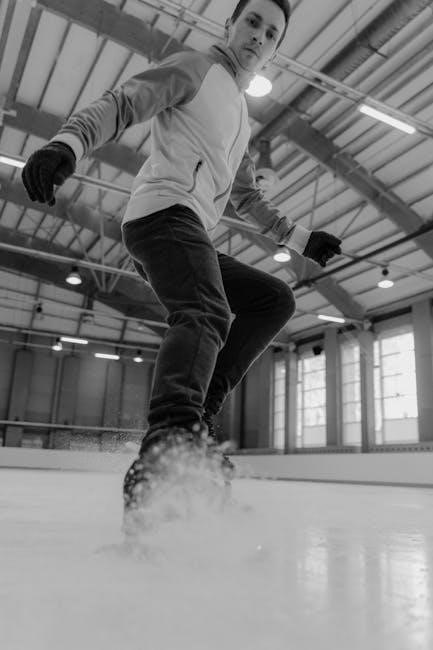
Gait Training Exercises: A Comprehensive Guide
Gait training utilizes exercises focusing on balance‚ strength‚ and coordination‚ often delivered via PDF resources for convenient access and home practice.
These PDF guides detail exercises like knee extensions‚ marching‚ single-leg stances‚ sidestepping‚ sit-to-stands‚ and backward walking‚ aiding mobility improvements.
Advanced PDFs incorporate obstacle courses‚ heel-to-toe walking‚ step variations‚ and head-turn drills‚ enhancing functional gait patterns for diverse needs.
Gait training represents a cornerstone of rehabilitative care‚ meticulously designed to restore or enhance an individual’s ability to walk effectively. Often‚ this process is supported by readily available PDF resources containing detailed exercise protocols. These PDF guides serve as invaluable tools for both clinicians and patients‚ offering structured programs to address various impairments impacting mobility.
The core principle revolves around retraining the neuromuscular system‚ improving balance‚ strength‚ and coordination – all crucial components of a normal gait pattern. PDF materials frequently categorize exercises based on difficulty‚ progressing from basic movements like knee extensions and seated marching to more complex activities such as obstacle negotiation and dynamic balance challenges.
Access to these PDFs empowers individuals to continue their rehabilitation journey beyond the clinical setting‚ fostering independence and promoting long-term functional gains. Understanding the foundational principles outlined in these resources is key to maximizing the benefits of gait retraining.
Understanding the Gait Cycle
A thorough comprehension of the gait cycle is paramount when implementing gait training exercises‚ often detailed within comprehensive PDF guides. The cycle is divided into stance and swing phases‚ each with distinct physiological events. PDF resources typically illustrate these phases‚ highlighting muscle activation and joint movements crucial for efficient walking.
Stance phase‚ comprising heel strike‚ foot flat‚ mid-stance‚ and toe-off‚ requires significant weight-bearing and stability. Swing phase‚ including initial swing‚ mid-swing‚ and terminal swing‚ focuses on limb advancement. PDF exercises target specific deficits within these phases.
For example‚ weakness during mid-stance might be addressed with strengthening exercises outlined in a PDF‚ while limited ankle dorsiflexion during swing could be improved through targeted stretching and range-of-motion drills. Analyzing the gait cycle informs the selection of appropriate exercises from PDF protocols.
Benefits of Gait Training
Gait training exercises‚ frequently accessed through detailed PDF resources‚ offer a multitude of benefits extending beyond improved walking ability. These PDF guides often emphasize enhanced balance and coordination‚ reducing fall risk – a critical concern‚ particularly for older adults. Strengthening weakened muscles‚ a core component of many PDF programs‚ contributes to increased independence and functional mobility.
Furthermore‚ gait training‚ as outlined in PDF protocols‚ can improve cardiovascular health by promoting increased physical activity. Specific exercises detailed in PDFs can address impairments resulting from neurological conditions like stroke or Parkinson’s disease.
PDF resources also highlight the psychological benefits‚ including increased confidence and reduced fear of falling. Ultimately‚ effective gait training‚ guided by PDF materials‚ empowers individuals to participate more fully in daily life and maintain a higher quality of life.
Basic Gait Training Exercises
PDF resources detail foundational exercises: knee extensions‚ seated marching‚ single-leg stances‚ sidestepping‚ sit-to-stand transfers‚ and backward walking for initial gait improvement.
Knee Extension Exercises
Knee extension exercises‚ frequently detailed in gait training PDF guides‚ are fundamental for restoring proper leg movement and strength crucial for effective walking. These exercises often begin with simple‚ seated positions‚ encouraging full extension of the knee against gravity.
PDF instructions typically emphasize maintaining a controlled motion‚ avoiding locking the knee‚ and focusing on engaging the quadriceps muscles. Progressions within PDFs may include adding ankle weights or resistance bands to increase the challenge as strength improves.
Many PDFs illustrate variations like straight leg raises while lying down‚ further isolating and strengthening the quadriceps. Proper form‚ as demonstrated in the PDFs‚ is vital to prevent injury and maximize the benefits of these foundational gait-improving exercises.
Consistent practice‚ guided by PDF recommendations‚ builds the necessary muscle strength for a more natural and efficient gait pattern.
Seated Marching Exercises
Seated marching exercises‚ commonly outlined in gait training PDF resources‚ are a low-impact yet effective way to initiate hip and knee flexion – essential components of the walking motion. These exercises are particularly beneficial for individuals with limited weight-bearing capacity or early-stage rehabilitation.
PDF guides typically instruct patients to sit upright with good posture‚ then lift each knee towards the chest in a rhythmic‚ marching-like motion. Emphasis is placed on maintaining core engagement and controlled movements‚ as detailed in the PDF illustrations.

Progressions within PDFs may involve increasing the marching speed‚ adding arm movements‚ or incorporating resistance bands around the thighs to enhance muscle activation. Proper technique‚ as shown in the PDFs‚ is key to maximizing the exercise’s benefits.
Regular practice‚ following PDF guidelines‚ improves hip flexor strength and prepares the body for more advanced gait training.
Single Leg Stance Exercises
Single leg stance exercises‚ frequently detailed in gait training PDFs‚ are crucial for enhancing balance and proprioception – vital for stable ambulation. These exercises challenge the body’s ability to maintain equilibrium on a single limb‚ mimicking the weight-shifting phase of walking.
PDF resources typically begin with instructions to stand near a stable surface for support‚ then lift one foot off the ground‚ holding the position for a specified duration. PDF guides emphasize maintaining an upright posture and minimizing sway.
Progressions‚ as illustrated in PDFs‚ include increasing the hold time‚ performing the exercise with eyes closed‚ or adding perturbations (gentle pushes) to further challenge balance. Some PDFs suggest incorporating arm movements.
Consistent practice‚ guided by PDF instructions‚ strengthens ankle and hip stabilizers‚ improving overall gait stability and reducing fall risk.
Sidestepping Exercises
Sidestepping exercises‚ commonly found within gait training PDFs‚ are valuable for improving lateral stability and strengthening hip abductors and adductors – muscles essential for controlling leg movement during walking. These exercises prepare individuals for navigating uneven terrain and avoiding obstacles.
PDF guides typically instruct patients to maintain a slightly bent knee position while stepping sideways‚ keeping feet shoulder-width apart. Emphasis is placed on controlled movements and avoiding trunk rotation.
Progressions detailed in PDFs include increasing the distance of each step‚ adding resistance bands around the ankles‚ or performing the exercise over low obstacles. Some PDFs suggest incorporating quick‚ shuffling steps.
Regular practice‚ following PDF instructions‚ enhances lateral dynamic stability‚ contributing to a more efficient and safer gait pattern‚ particularly beneficial for agility.
Sit-to-Stand Exercises
Sit-to-stand exercises‚ frequently detailed in gait training PDFs‚ are fundamental for building lower body strength and improving transitional movements crucial for walking. These exercises directly address the mechanics of rising from a seated position‚ mimicking a key phase of the gait cycle.
PDF guides often begin with instructions for using arm assistance‚ gradually reducing reliance as strength improves. Proper form‚ including maintaining a straight back and controlled descent‚ is emphasized.
Progressions outlined in PDFs include performing the exercise without arm support‚ adding weight (e.g.‚ holding dumbbells)‚ or increasing the height of the chair. Variations like partial squats are also included.
Consistent practice‚ guided by PDF instructions‚ strengthens quadriceps‚ glutes‚ and core muscles‚ enhancing functional mobility and reducing fall risk‚ ultimately contributing to a more confident gait.
Backward Walking Exercises
Backward walking exercises‚ commonly featured in comprehensive gait training PDFs‚ offer a unique challenge to neuromuscular control and balance‚ promoting a more symmetrical gait pattern. These exercises engage different muscle groups compared to forward walking‚ enhancing overall lower limb strength.
PDF resources typically emphasize maintaining an upright posture and controlled movements while walking backward‚ often starting with short distances and gradually increasing them. Visual cues or a spotter are recommended initially.
Progressions detailed in PDF guides include increasing walking speed‚ incorporating slight inclines‚ or adding resistance bands to further challenge the muscles. Focus is placed on heel strike and controlled foot placement.
Regular practice‚ guided by PDF instructions‚ improves proprioception‚ coordination‚ and dynamic stability‚ contributing to a safer and more efficient walking gait‚ particularly beneficial for individuals recovering from injury.
Intermediate Gait Training Exercises
PDF guides detail progressive exercises like obstacle walking‚ heel-to-toe steps‚ and step-ups‚ building upon basic skills for improved gait mechanics.
These exercises enhance dynamic balance and coordination‚ preparing individuals for more complex movements outlined in detailed gait training PDFs.
Obstacle Walking Exercises
Obstacle walking exercises‚ frequently detailed within comprehensive gait training PDF resources‚ are crucial for enhancing functional mobility and reactive balance. These PDFs typically instruct setting up five to six small obstacles‚ spaced approximately 15 inches apart‚ creating a challenging yet manageable course.
The focus is on stepping over each obstacle with a controlled motion‚ maintaining proper gait mechanics – including adequate step length‚ height‚ and minimal lateral deviation. PDF guides emphasize the importance of looking ahead‚ not down at the feet‚ to promote a natural walking pattern.
Progressive difficulty can be introduced by increasing obstacle height or decreasing the spacing between them. These exercises improve proprioception‚ strengthen lower extremity muscles‚ and build confidence in navigating uneven terrain‚ all clearly illustrated within the PDF instructions. Safety cues‚ like having a spotter present‚ are often included in these gait training PDFs.
Heel-to-Toe Walking Exercises
Heel-to-toe walking‚ often thoroughly explained in gait training PDF guides‚ is a valuable technique for improving dynamic balance and coordination. These PDF resources typically demonstrate walking in a straight line‚ placing the heel of one foot directly in front of the toes of the other‚ mimicking a tightrope walk.
The PDF instructions emphasize maintaining a steady gaze forward‚ engaging core muscles for stability‚ and taking small‚ controlled steps. This exercise challenges the individual to control their center of gravity and refine their gait pattern.
PDFs often suggest starting with a short distance and gradually increasing it as proficiency improves. Variations‚ such as performing the exercise with eyes closed (under supervision)‚ are sometimes included for advanced training. These exercises enhance proprioception and strengthen the muscles responsible for ankle and foot control‚ as detailed within the gait training PDFs.
Step-Ups and Step-Downs
Step-ups and step-downs are frequently detailed within comprehensive gait training PDFs as essential exercises for building lower body strength and improving functional mobility. These PDF guides typically illustrate using a stable platform‚ like a low step or stair‚ to practice ascending and descending.
The PDF instructions emphasize controlled movements‚ focusing on engaging the glutes and quadriceps during the step-up phase and utilizing eccentric control during the step-down. Maintaining an upright posture and avoiding excessive forward lean are also highlighted.
PDF resources often suggest varying the step height to adjust the difficulty. Progressions may include adding weights or performing the exercise with a faster tempo. These exercises improve single-leg stability‚ crucial for a safe and efficient gait‚ as thoroughly explained in the gait training PDFs.
Walking with Head Turns
Walking with head turns is a challenging exercise often included in advanced gait training PDFs‚ designed to improve dynamic balance and coordination. These PDF resources explain that the exercise simulates real-life scenarios requiring simultaneous movement and visual attention.
PDF instructions typically advise walking at a comfortable pace while slowly and deliberately turning the head from side to side‚ or looking up and down. The focus is on maintaining a stable gait pattern despite the head movements‚ preventing compensatory trunk movements.
Gait training PDFs often emphasize starting with small head turns and gradually increasing the range of motion. They may also suggest performing the exercise on different surfaces or while carrying a light object to increase the difficulty. This exercise enhances the body’s ability to adapt to perturbations during walking‚ as detailed in the PDF guides.

Advanced Gait Training Exercises
PDF resources detail agility drills‚ balance board work‚ treadmill inclines‚ and resistance band walking for advanced gait improvement.
These PDFs emphasize challenging balance and coordination‚ building upon foundational skills for functional mobility and enhanced gait patterns.
Agility Training Drills
PDF guides dedicated to agility drills are crucial for progressing gait training beyond basic patterns‚ focusing on quick‚ reactive movements. These resources often present cone drills‚ requiring patients to navigate around obstacles with speed and precision‚ improving directional changes and footwork.
Shuttle runs‚ detailed in many PDFs‚ enhance acceleration‚ deceleration‚ and the ability to rapidly alter velocity – vital for real-world walking scenarios. Ladder drills‚ also commonly featured‚ promote coordination‚ rhythm‚ and rapid leg movements‚ refining gait mechanics.
PDFs emphasize proper form during these drills‚ highlighting the importance of maintaining balance and controlled movements; They often include progressions‚ starting with slower speeds and wider spacing‚ gradually increasing the challenge as the patient improves. Visual cues and detailed instructions within the PDFs aid in correct execution‚ maximizing benefits and minimizing injury risk.
Balance Board Exercises
PDF resources detailing balance board exercises are invaluable for enhancing proprioception and dynamic stability‚ key components of efficient gait. These guides typically illustrate various exercises‚ starting with static standing on the board to challenge postural control‚ progressing to dynamic movements like squats and reaches.
Many PDFs emphasize the importance of maintaining a neutral spine and engaging core muscles during these exercises‚ maximizing their effectiveness. They often include modifications for different skill levels‚ offering options like using a wall for support or incorporating arm movements to increase the challenge.
Detailed instructions within the PDFs highlight proper technique and safety precautions‚ advising users to start slowly and gradually increase the duration and complexity of the exercises. The goal is to improve the body’s ability to react to perturbations and maintain balance during walking‚ ultimately enhancing gait stability and reducing fall risk.
Treadmill Training with Incline
PDF guides on treadmill training with incline detail how adjusting the slope simulates real-world walking challenges like hills‚ improving strength and endurance. These resources often begin with low inclines and slower speeds‚ gradually increasing both as the individual’s ability improves.
PDF instructions emphasize maintaining proper form – upright posture‚ engaged core‚ and natural arm swing – to maximize benefits and prevent injury. They frequently include specific protocols‚ such as interval training with alternating incline levels‚ to enhance cardiovascular fitness and muscle activation.
Many PDFs highlight the importance of monitoring heart rate and perceived exertion to ensure the exercise intensity is appropriate. They also offer modifications for various conditions‚ suggesting shorter durations or lower inclines for those with limitations‚ ultimately aiming to restore a more normal gait pattern.
Walking with Resistance Bands
PDF resources detailing walking with resistance bands emphasize strengthening hip abductors‚ extensors‚ and external rotators – crucial for stable gait. These guides typically illustrate proper band placement‚ often around the ankles or thighs‚ and provide clear instructions on maintaining correct form during ambulation.
PDFs often categorize exercises by band resistance level‚ allowing for progressive overload as strength improves. They highlight the importance of controlled movements‚ focusing on engaging the target muscles throughout each step to enhance neuromuscular control and improve walking efficiency.
Many PDFs include variations‚ such as lateral walks and forward walks with different band tensions‚ to address specific muscle weaknesses. They also advise monitoring for pain and adjusting the exercise accordingly‚ promoting safe and effective gait retraining for diverse patient populations.
Gait Training for Specific Conditions
PDF guides tailor gait training to conditions like stroke‚ cerebral palsy‚ Parkinson’s‚ and muscular dystrophy‚ offering specialized exercises for improved mobility.
These PDFs detail condition-specific protocols‚ addressing unique challenges and maximizing functional recovery through targeted gait retraining programs.
Detailed illustrations and progressive exercise plans within these PDFs support clinicians and patients in achieving optimal walking outcomes.
Gait Training After Stroke
PDF resources dedicated to post-stroke gait training are invaluable‚ offering structured rehabilitation programs designed to address common impairments. These PDF guides typically begin with early motion and weight-bearing exercises‚ crucial for preventing arthrofibrosis and restoring joint range of motion. Quadriceps strengthening exercises‚ detailed within these documents‚ are paramount for improving knee extension and stability during the swing phase of gait.
Progressive exercises‚ outlined in the PDFs‚ include sit-to-stand transfers‚ focusing on controlled movements and core engagement. Overground walking practice‚ often with assistive devices initially‚ is a core component‚ progressing to treadmill training for increased endurance and consistency. Balance exercises‚ such as single-leg stance and weight shifting‚ are also emphasized to enhance stability and reduce fall risk. The PDFs often include detailed instructions and illustrations to ensure proper form and technique‚ maximizing effectiveness and minimizing the risk of injury.
Functional gait training‚ incorporating obstacle negotiation and varied terrains‚ is also frequently included‚ preparing individuals for real-world walking challenges.
Gait Training for Cerebral Palsy
PDF guides for gait training in Cerebral Palsy (CP) focus on individualized programs addressing specific movement limitations and muscle imbalances. These resources often emphasize early intervention‚ detailing stretching and range-of-motion exercises to prevent contractures and improve joint flexibility. Strengthening exercises‚ carefully selected based on the child’s needs‚ are crucial for improving muscle strength and control‚ often illustrated within the PDFs.
PDFs commonly include functional exercises like sit-to-stand transitions‚ step training‚ and obstacle negotiation‚ promoting independent mobility. Balance training‚ utilizing various techniques and equipment‚ is a key component‚ aiming to improve postural control and reduce instability. The documents often highlight the importance of repetitive practice and task-specific training to promote neuroplasticity and motor learning.
Cycling training‚ as detailed in some PDFs‚ can help maintain gait and balance parameters‚ while home-based exercise programs ensure consistent practice and progress.
Gait Training for Parkinson’s Disease
PDF resources for gait training in Parkinson’s Disease prioritize strategies to counteract common challenges like shuffling steps‚ freezing of gait‚ and reduced arm swing. These guides frequently incorporate large-amplitude exercises‚ encouraging exaggerated movements to improve stride length and overcome bradykinesia. Visual and auditory cues‚ often detailed in the PDFs‚ are employed to initiate and maintain movement‚ helping bypass neurological blocks.
PDFs emphasize rhythmic exercises‚ such as marching in place or stepping to a metronome‚ to improve timing and coordination. Strengthening exercises targeting core and leg muscles are included to enhance stability and postural control. Balance training‚ utilizing varied surfaces and dynamic challenges‚ is crucial for reducing fall risk.
Treadmill training‚ often outlined in PDFs‚ with or without body weight support‚ can improve gait speed and endurance‚ while home-based programs promote consistent practice.
Gait Training for Muscular Dystrophy
PDF guides for gait training in Muscular Dystrophy focus on maintaining mobility and preventing contractures as the disease progresses. These resources emphasize gentle stretching exercises to improve range of motion and flexibility‚ crucial for preserving functional gait patterns. Strengthening exercises‚ adapted to the individual’s capabilities‚ aim to support weakened muscles and improve stability.
PDFs often detail aquatic therapy programs‚ leveraging water’s buoyancy to reduce stress on joints and facilitate movement. Cycling exercises‚ as highlighted in research detailed within some PDFs‚ can help maintain gait and balance parameters. Assistive devices‚ like ankle-foot orthoses (AFOs)‚ are frequently addressed‚ with PDFs providing guidance on proper fitting and usage.
Emphasis is placed on functional exercises‚ such as sit-to-stand and stair climbing‚ to maximize independence and quality of life.

Resources for Gait Training PDFs
PDF resources offer accessible gait training exercises‚ detailing balance‚ strength‚ and coordination drills for various conditions‚ promoting independent rehabilitation at home.
Reliable sources include university physiotherapy departments and reputable rehabilitation centers‚ providing evidence-based PDF guides for effective gait retraining.
Finding Reliable PDF Resources
Locating trustworthy PDF resources for gait training exercises requires careful consideration. Begin your search with websites of established physiotherapy departments at universities and hospitals; these often provide evidence-based protocols in downloadable formats.
Reputable rehabilitation centers and professional organizations‚ such as the American Physical Therapy Association (APTA)‚ frequently offer comprehensive gait training PDF guides. Government health websites can also be valuable sources.
Exercise caution with general internet searches. Prioritize resources authored by qualified physical therapists or healthcare professionals. Look for PDFs that clearly state their source and any supporting research. Beware of materials lacking author credentials or appearing overly commercial.
Consider searching specifically for PDFs tailored to your condition (e.g.‚ “gait training after stroke PDF”). Always consult with your own physical therapist before starting any new exercise program based on a downloaded resource.
Evaluating the Quality of Gait Training PDFs
Assessing the quality of gait training exercise PDFs is crucial for safe and effective rehabilitation. First‚ verify the author’s credentials – look for licensed physical therapists or medical professionals with expertise in neuromuscular rehabilitation.
Examine the content for clarity and detail. High-quality PDFs will provide precise exercise instructions‚ including proper form‚ repetitions‚ sets‚ and progression guidelines. Illustrations or videos demonstrating correct technique are highly beneficial.
Check for evidence-based practice. Does the PDF reference scientific research or established clinical guidelines? Be wary of resources promoting unproven methods or making exaggerated claims.
Consider the PDF’s scope and relevance to your specific needs. A good resource will offer modifications for different fitness levels and address potential contraindications. Always prioritize resources that encourage consultation with a healthcare professional.